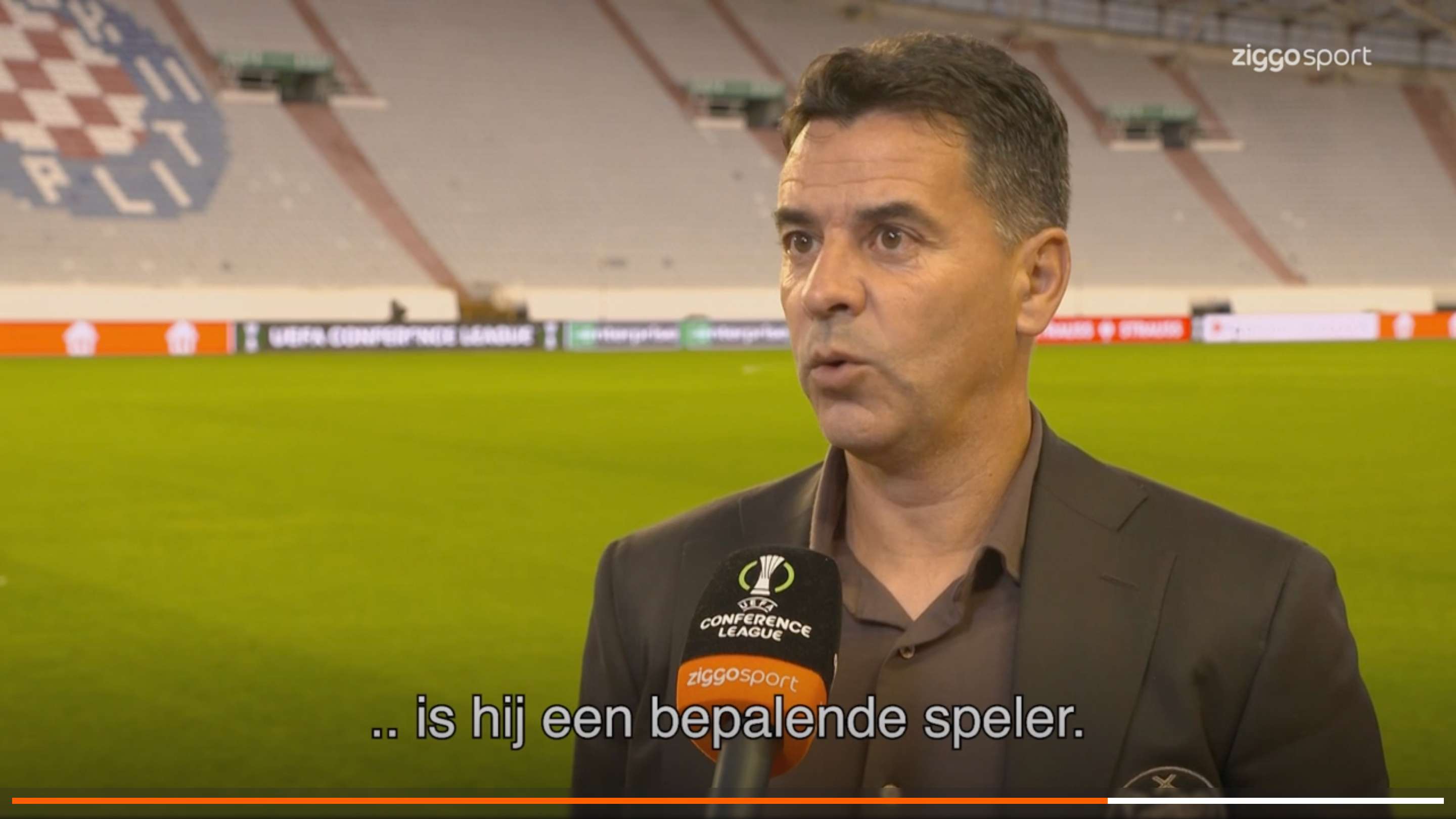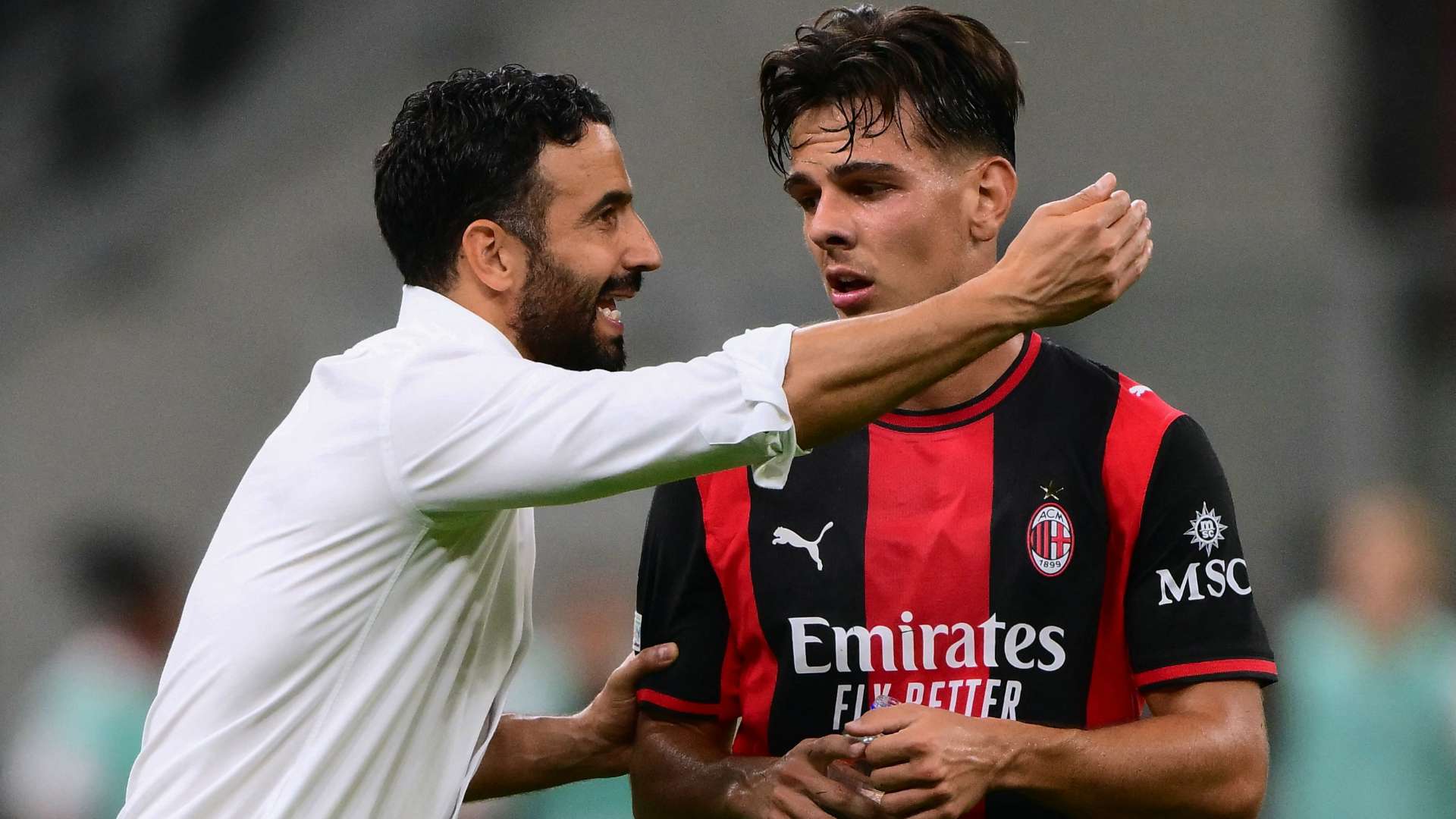

Ruben Amorim Urges Patience as Milan Prepare for RB Salzburg Europa League Test
Ruben Amorim has called for patience as Milan prepare to face RB Salzburg in the second matchday of the Europa League league phase, insisting that building a team takes time even in a football culture that expects immediate results. Speaking at the Red Bull Arena ahead of the match, the Milan manager also praised legendary coach Arrigo Sacchi, while stressing that comparisons with the past must be understood in their proper context.
Amorim’s comments offered a glimpse into the challenge facing Milan: balancing the club’s ambitions with the time needed to establish a clear identity. The fixture against Salzburg is an important early test, but the coach suggested that one result—or even one performance—should not define the direction of the project.
Amorim Compares Sacchi to Mozart
Asked about Sacchi, the former Milan coach whose innovative approach reshaped European football, Amorim responded with warmth and humour. “Sacchi is like Mozart,” he said, drawing a comparison that reflected the Italian tactician’s lasting influence on the game.
Sacchi became one of football’s most celebrated managers through his work with Milan in the late 1980s and early 1990s. His teams were renowned for their coordinated pressing, compact defensive shape and collective movement—ideas that helped set new standards in Italy and across Europe. For supporters, his name remains closely associated with a defining period in the club’s history.
Amorim’s admiration was clear, but he also cautioned against treating the present as a simple repeat of the past. Football has changed, he explained, and today’s managers operate in a different environment, with different players, expectations and pressures. The principles behind a successful team may endure, but they must be adapted to the circumstances of each generation.
Why Milan’s Project May Need More Time
“These are different times,” Amorim said, emphasising that the club’s current situation cannot be measured solely against earlier Milan sides. He added that fans should understand that progress may take longer than they would like, particularly when a team is still developing its style and consistency.
That message is especially relevant in modern football, where clubs, supporters and media often expect rapid transformation. A new manager is frequently judged after a handful of matches, even though creating a reliable system can require sustained work on the training ground. Players need time to understand their roles, build relationships and respond instinctively to one another under pressure.
For Milan, that process involves more than choosing a formation. A team’s identity is shaped by how it presses, how quickly it moves the ball, how it reacts after losing possession and how confidently it handles difficult moments. Those habits are built through repetition, and they can be difficult to establish while the fixture schedule leaves limited time between matches.
Amorim acknowledged the tension between that long-term view and the demand for instant progress. “Everything has to happen quickly,” he observed, noting that in the present climate it can seem as though there is no time to build. His response, however, was to underline that he has a plan and intends to follow it.
A Clear Plan Amid the Pressure for Results
The Milan manager’s remarks were not an attempt to lower expectations. Rather, they reflected a belief that meaningful progress requires a defined direction. Amorim said he has a clear plan for the team, while accepting that the amount of time available will influence how far it can be developed.
“If we have time, we have time. Otherwise, we move on,” he said. The statement captures the uncertainty that can surround any coaching project: managers may have ideas and ambitions, but they also work within a results-driven environment where patience is never guaranteed.
For supporters, the key question will be whether Milan’s performances show signs of improvement as the campaign unfolds. Results remain important, but consistency, organisation and the players’ understanding of Amorim’s approach will also offer clues about whether the project is moving in the right direction.
RB Salzburg Provide a Testing Europa League Prediction
The meeting with RB Salzburg gives Milan an immediate opportunity to demonstrate how well they can apply their ideas against a demanding opponent. Salzburg are known for energetic football and an aggressive approach, qualities that can test a visiting side’s ability to keep possession, withstand pressure and remain disciplined when defending.
That makes this Europa League match more than a routine early-season fixture. Milan will need to manage the tempo, make good decisions when Salzburg press and take advantage of the spaces that may appear when the hosts commit players forward. A strong performance could provide confidence and momentum, while a difficult result would underline the work still required.
Any prediction for the match should account for both the quality of the teams and the broader context. Milan have the experience and reputation to compete at a high level, but Salzburg’s intensity can make the Red Bull Arena a challenging venue. The outcome may depend on which side controls the transitions and makes better use of its chances, rather than on possession alone.
What Milan Fans Should Watch
Beyond the final score, supporters can look for signs of the identity Amorim wants to build. How compact is Milan when Salzburg have the ball? Do the players press together, or are gaps opening between the lines? And when Milan regain possession, can they move forward with purpose without losing their defensive balance?
These details can reveal whether the team is beginning to absorb its manager’s instructions. They may also help explain why Amorim is asking fans to consider the bigger picture rather than expecting an instant return to the standards associated with Sacchi’s celebrated Milan.
Amorim’s message ahead of the Salzburg clash is ultimately one of ambition tempered by realism. He recognises the club’s history and the expectations that come with it, but believes the current team must be judged on its own circumstances. Milan’s Europa League campaign will provide a series of tests, and the match in Salzburg is an early chance to show progress. For the manager, the goal is clear: follow the plan, build with purpose and allow the team the time needed to grow.