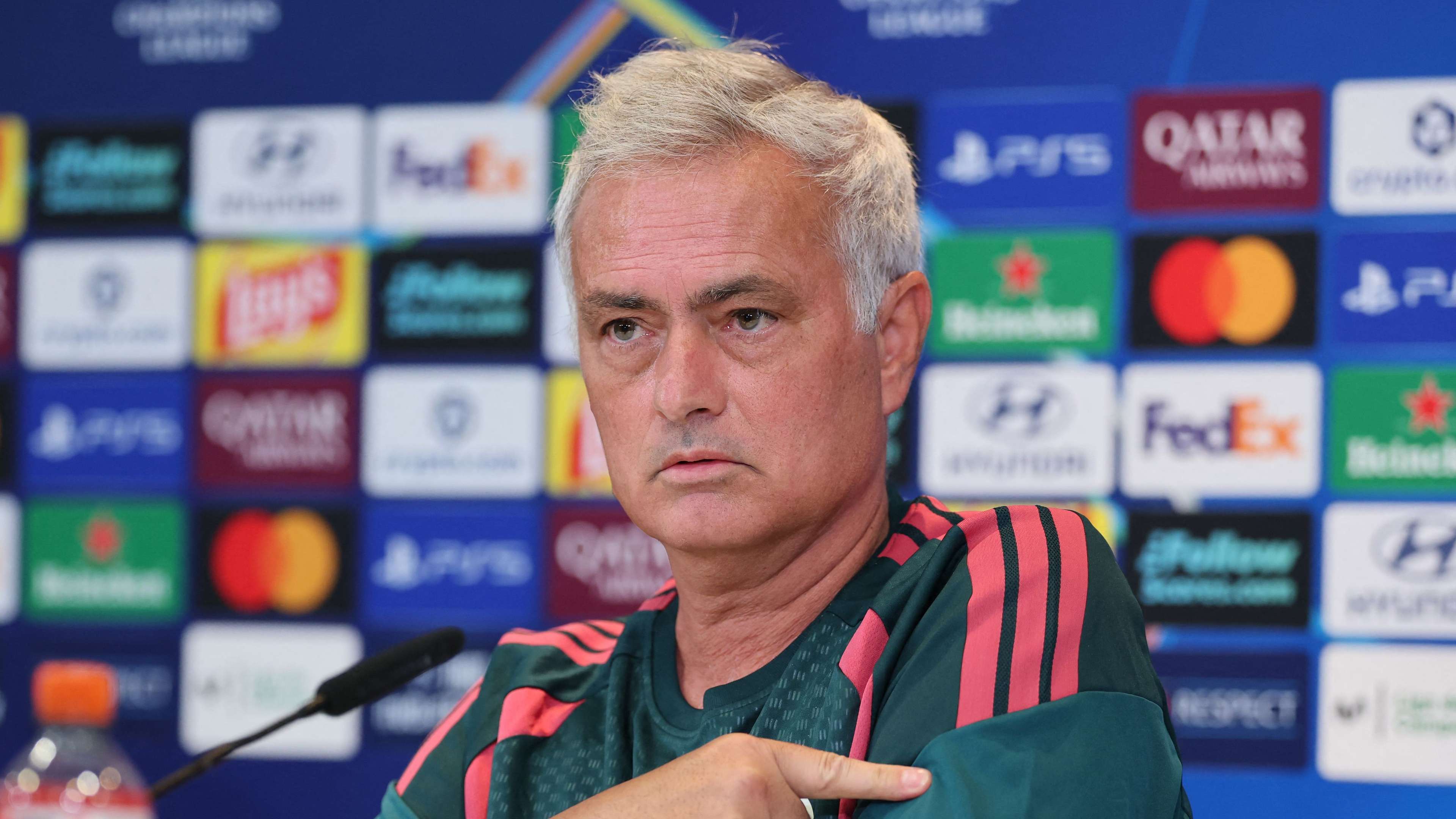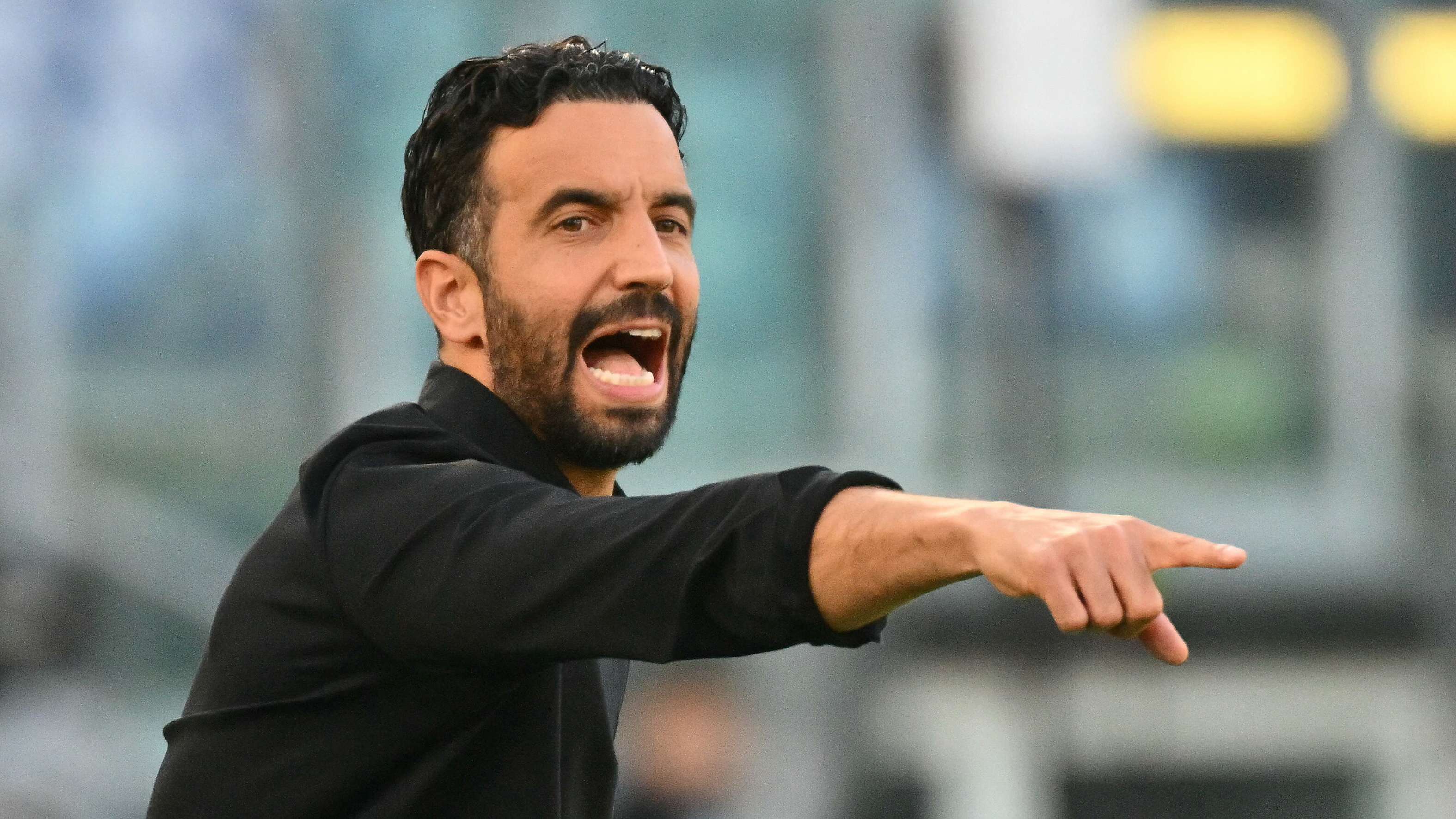

Ruben Amorim believes the pressure he faced at Manchester United helped prepare him for one of football’s most demanding jobs: leading AC Milan. As the Portuguese coach settles into life at the San Siro, he has described his career as a gradual education in handling expectations, scrutiny and the responsibility that comes with managing a major European club.
His route to Serie A has not been straightforward. Amorim’s experience in England exposed him to the intensity of the Premier League and the constant attention that surrounds Manchester United. Rather than viewing that period only through results, he sees it as a formative chapter—one that sharpened his judgement and gave him valuable perspective before taking charge of Milan.
How Manchester United shaped Amorim’s approach
Managing Manchester United means working under a spotlight few clubs can match. Every team selection, tactical adjustment and run of results is examined closely by supporters and the media. For Amorim, that environment offered a demanding practical lesson in leadership: a coach must make decisions quickly, communicate clearly and remain composed when the pressure rises.
That experience can be especially useful at AC Milan, where the expectations are similarly high. The Rossoneri are one of Italy’s most historic clubs, with a tradition built on domestic success and memorable European campaigns. Their supporters expect a recognisable identity as well as competitive results, making the manager’s role about more than choosing a formation or preparing for the next fixture.
Amorim’s reflection suggests that he sees pressure as something a coach can learn to manage rather than simply endure. Working in a high-profile setting can test a manager’s confidence, but it can also reveal which methods are reliable when circumstances become difficult. That knowledge may help him make steadier decisions during the inevitable ups and downs of a long Serie A season.
A coaching journey that led to the San Siro
Amorim has framed his move to Milan as the outcome of a wider coaching journey. Each stage, in his view, contributed something to the preparation required for this opportunity. Experience in different football environments can broaden a manager’s understanding of tactics, player development and the demands of building a team with a clear identity.
That background matters in Italy, where matches are often shaped by tactical detail, disciplined defending and careful management of space. Serie A can reward patience and organisation, but it also demands flexibility. A team may need to control possession in one game, defend deep in another or adjust its approach when an opponent changes shape. Amorim’s challenge will be to make those adaptations without losing the principles he wants Milan to represent.
His arrival also gives the club an opportunity to refresh its direction. A new manager can bring renewed competition within the squad, reassess the roles of established players and create a clearer pathway for younger talent. At a club with Milan’s history, however, change must be balanced with respect for the standards supporters associate with the shirt.
What Milan supporters will be watching
For fans, the first signs of Amorim’s influence will appear in the team’s performances. They will look for a consistent style, stronger cohesion between the lines and evidence that players understand their responsibilities in and out of possession. Results will remain important, but the way Milan responds to setbacks could be just as revealing.
One key test is whether the squad can adapt to his tactical demands. A coach’s preferred system only works when the available players can carry it out effectively. Amorim will need to assess the balance of the team, identify where adjustments are necessary and find the best use for Milan’s existing strengths. That process takes time, especially when a manager arrives with limited opportunity to work on the training ground between fixtures.
Communication will be another central factor. High-profile clubs contain players with different levels of experience, ambitions and roles. A successful manager must explain expectations clearly, maintain competition for places and keep the wider group engaged. Amorim’s time in Manchester may have helped him understand how quickly tension can grow when performances fall short of expectations—and how important it is to respond with calm, consistent leadership.
Early prediction: patience could be crucial
Any prediction about Amorim’s impact at AC Milan should account for the scale of the task. The club’s name brings immediate expectations, but a new coach cannot transform a team overnight. Tactical habits take time to establish, and players must build trust in a new approach through training and match experience.
If Milan show clear progress in their organisation and intensity, supporters may be willing to give the project room to develop, even if results fluctuate during the transition. Strong performances against direct rivals and improved consistency across the league campaign would offer encouraging signs. In contrast, repeated tactical confusion or an inability to respond to difficult spells could intensify scrutiny quickly—something Amorim will know well from his previous high-pressure environment.
The best measure of his early work may therefore be a combination of results and direction. Are Milan creating chances in a consistent way? Can they protect leads and recover from setbacks? Are players improving within their roles? These questions provide a more useful picture than judging the project on one result or a brief run of form.
A demanding opportunity with room to make a mark
Amorim’s belief that his career prepared him for the San Siro reflects both ambition and an understanding of what the position requires. Manchester United gave him experience of intense scrutiny, while his broader coaching path helped shape the ideas he now brings to Italy. The challenge is to turn those lessons into a team that can meet Milan’s expectations on the pitch.
For AC Milan, the appointment represents a chance to build momentum under a coach who says he is ready for the pressure. For Amorim, it is an opportunity to show that the difficult moments of his journey were not detours but preparation for a new chapter. The coming months will reveal how quickly his methods take hold, but the central test is already clear: deliver a competitive Milan side with a distinct identity—and prove that his experience can translate into success in Serie A.