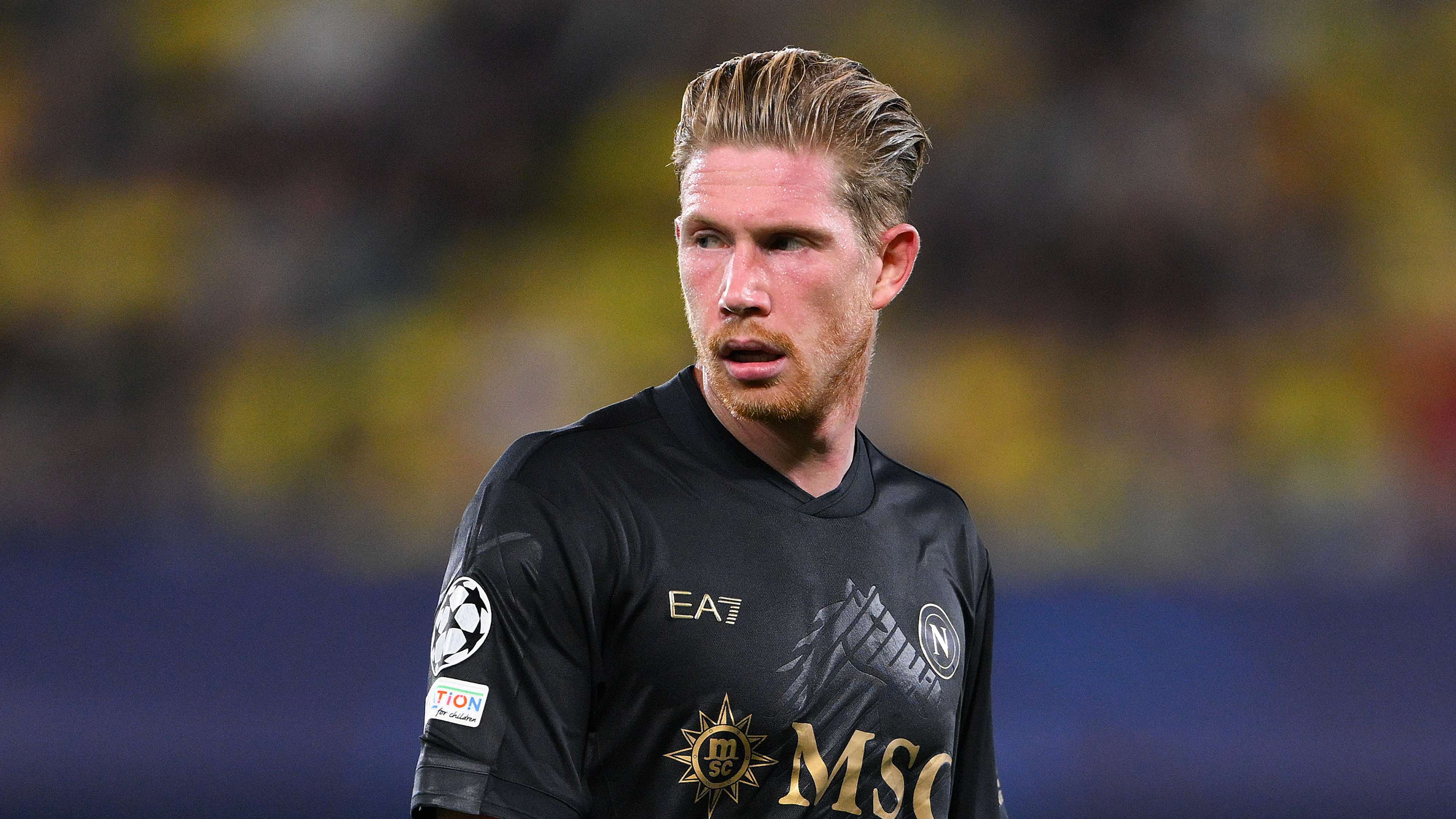

Allegri Plays Down Touchline Dispute With Napoli Star Kevin De Bruyne
Napoli head coach Massimiliano Allegri has sought to calm speculation after a tense exchange with midfielder Kevin De Bruyne drew attention during the Partenopei’s challenging spell. Speaking to the media, Allegri described the incident as a misunderstanding linked to language rather than a serious disagreement between the two figures.
The brief touchline debate quickly became a talking point among supporters, particularly because De Bruyne is one of Napoli’s most prominent players and Allegri is responsible for guiding the team through a difficult period. But the coach’s explanation suggests the exchange should not be treated as evidence of a deeper rift inside the squad.
A Heated Moment, Then an Explanation
Emotions often rise during football matches, especially when results are under pressure and coaches are trying to make rapid adjustments. A short conversation between a manager and a player can appear confrontational from the stands or on television, where viewers may see only a few seconds without knowing what was said beforehand.
That appears to be the context Allegri wants people to consider. He told reporters that a linguistic confusion contributed to the exchange, indicating that the message he intended to deliver was not understood in the way he expected. In a high-pressure setting, even a small communication gap can lead to a sharp response, particularly when both sides are focused on the immediate demands of the match.
Allegri’s decision to address the incident publicly is also significant. By offering an explanation, he has tried to prevent a brief disagreement from becoming a wider story about dressing-room tension. His comments frame the moment as a practical misunderstanding rather than a personal conflict, while leaving room for the intensity that naturally comes with elite-level competition.
Why Communication Matters in Modern Football
Football teams bring together players and staff with different nationalities, languages and communication styles. Even when teammates share a common language, instructions delivered quickly from the touchline can be difficult to interpret amid crowd noise, tactical changes and the urgency of a match. Tone and timing matter, too: a message intended as a direct instruction may sound like criticism when heard in the heat of the moment.
For a coach, clarity is essential. Managers need players to understand pressing triggers, positional responsibilities and changes to the game plan without hesitation. For players, the challenge is to process those instructions while maintaining concentration and responding to events unfolding around them. A misunderstanding does not necessarily signal a breakdown in trust; it can simply reflect how demanding communication becomes during a competitive match.
Allegri’s explanation offers a reminder that televised exchanges rarely provide the full story. A visible reaction can invite assumptions, but the people involved are better placed to explain the words and intentions behind it. In this case, the coach has indicated that language played a role and has moved to reduce the sense of drama surrounding the moment.
De Bruyne’s Importance to Napoli
De Bruyne’s status makes any interaction involving him especially likely to attract attention. The midfielder is known for his vision, passing range and ability to create opportunities in tight spaces. Those qualities can make him central to a team’s attacking plans, while also placing him under close scrutiny whenever Napoli’s performances or results come under pressure.
For Napoli, keeping key players focused and confident will be important as the club works through a difficult stretch. The team’s ability to turn possession into clear chances, manage transitions and remain composed when a match becomes tense can all influence its fortunes. De Bruyne’s creativity may be valuable in those areas, but his contribution depends on the collective structure around him as well as his individual quality.
Allegri, meanwhile, must balance tactical authority with effective relationships across the squad. A coach may need to challenge a player in the moment, but maintaining open communication afterward helps ensure that instructions are understood and disagreements do not linger. His public comments appear intended to reinforce that distinction: a heated exchange during a match does not automatically mean there is lasting friction.
What the Incident Could Mean for Napoli’s Season
The immediate impact of the exchange may be limited, but it arrives at a time when Napoli needs stability. During a difficult run, every visible sign of frustration can be interpreted as a symptom of broader problems. That is why a clear explanation from the coach may help shift attention back to the team’s football rather than speculation about internal relationships.
Napoli’s next challenge will be to translate its response into performances on the pitch. Strong communication between the coaching staff and players is particularly important when a side is trying to regain momentum. Clear roles, decisive decision-making and a shared understanding of the tactical plan can help prevent frustration from affecting concentration during crucial moments.
For supporters assessing the team’s prospects, the incident alone offers little basis for a firm prediction about Napoli’s future results. A touchline disagreement does not reveal how the squad will perform over the coming weeks, and Allegri’s comments suggest that the episode was rooted in confusion rather than a serious dispute. More telling evidence will come from the team’s performances, its ability to respond under pressure and the consistency of its results.
Attention Returns to the Football
Allegri has attempted to put the story into perspective: the exchange with De Bruyne was heated, but a language-related misunderstanding helped spark it. That explanation does not erase the intensity of the moment, yet it cautions against turning a brief interaction into a claim of a major falling-out.
As Napoli looks to navigate a demanding period, the focus will now return to preparation, tactical execution and results. De Bruyne’s influence and Allegri’s leadership will both remain under the spotlight, but the clearest measure of their working relationship will be how the team responds together. For now, the coach’s message is that the incident should be viewed as a communication problem—not a sign that the relationship between manager and player has broken down.