
Alex Pastoor Questions Feyenoord’s Tactics After Champions League Defeat to Real Betis
Feyenoord’s 1-0 loss to Real Betis in the Champions League has prompted a sharp tactical assessment from coach Alex Pastoor, who believes the Dutch side made their football unnecessarily complicated. Pastoor was especially critical of the team’s attacking movement and defensive structure, arguing that several decisions left players out of position without preventing Betis from finding space.
Real Betis secured the win on Wednesday night in the third round of the Champions League league phase. Isco scored the decisive goal from the penalty spot shortly before the hour mark, leaving Feyenoord to reflect on a performance that, in the view of pundits, fell short of the energy and confidence they had shown in recent matches.
Feyenoord lacked their usual attacking momentum
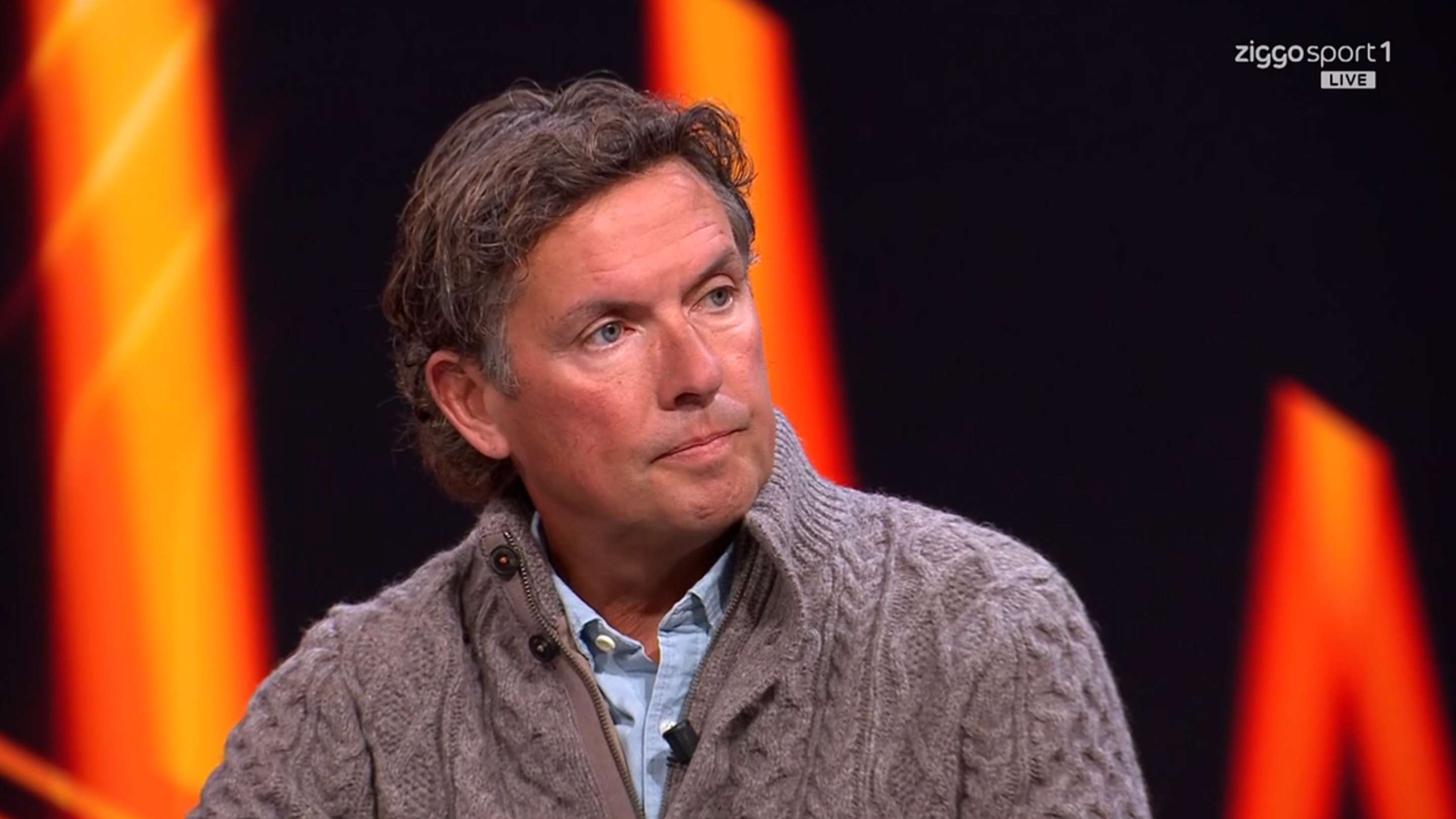
Speaking in the Ziggo Sport studio the following day, analyst Jan van Halst said Feyenoord appeared hesitant for much of the contest. He acknowledged that Betis are a strong opponent, but felt the visitors could have shown more urgency when moving forward.
“When you look at Feyenoord, they’ve got a certain momentum,” Van Halst said. “But I felt that was a bit lacking yesterday. They were a bit hesitant.” He added that Feyenoord did show more attacking intent after falling behind, but suggested that intensity should have been present earlier in the match.
That assessment was shared by Pastoor, the unattached coach, who focused on the way Feyenoord used possession. In his view, the team relied too heavily on sideways and backward passes, allowing Betis to settle into their defensive shape rather than forcing the Spanish side to react.
Pastoor argued that possession alone is not enough to create pressure. For a passing game to become dangerous, attacking players need to offer clear options, move into open areas and threaten the space behind the opposing defence. Without those runs, the player on the ball can be left with little choice but to recycle possession.
Pastoor challenges Feyenoord’s defensive setup
Pastoor’s strongest criticism concerned Feyenoord’s defensive organisation. He said the team appeared to defend in a 4-4-2 shape, with Anis Hadj Moussa operating as a second striker. However, the structure did not always remain balanced: Gjivai Zechiël could drift towards the right side of the defence, while Valente was at times drawn across to the left.
Pastoor questioned why Feyenoord seemed so determined to retain an extra player in central defence. He suggested that this preference could pull midfielders and wide players into unfamiliar positions, creating a defensive line that was difficult to maintain consistently.
“Then they have six in a line, and the opposition still manage to find a free man,” Pastoor said. The problem, in his analysis, was not simply the number of players behind the ball. It was whether those players were positioned to close passing lanes, protect the spaces between the lines and prevent Betis from progressing through the middle.
Pastoor proposed a more straightforward alternative: two compact banks of four. A disciplined 4-4-2 block, he argued, could give Feyenoord enough numbers to restrict Betis’ passing options while keeping players in more natural roles. A simpler shape would not automatically guarantee success, but it could make the team’s responsibilities clearer and reduce the gaps opponents can exploit.
Why movement matters as much as possession
The discussion highlights a familiar challenge for teams that want to control matches through the ball. When forward players fail to move decisively, possession can become predictable. Opponents can press selectively, protect central areas and wait for a misplaced pass or a slow transition.
Feyenoord’s attacking players therefore have a key role beyond receiving the ball. Runs in behind can stretch a defence, while movement into the channels can create passing angles for midfielders. Even when those runs do not lead directly to a chance, they can force defenders to turn, shift position or leave space elsewhere.
Defensively, clarity is just as important. A team needs to know when to press, when to drop and which spaces to protect. If players are repeatedly asked to cover unfamiliar zones, the system can become vulnerable even when it appears to have plenty of bodies behind the ball. Betis’ ability to find a free player, as Pastoor noted, suggests Feyenoord’s shape did not consistently translate into effective pressure.
What the defeat could mean for Feyenoord
The result leaves Feyenoord with questions to answer as the Champions League league phase continues. A narrow defeat does not define a campaign, and the penalty was the only goal of the evening, but the performance offers useful material for review. The team will need to assess whether its build-up play can become more direct and whether its defensive plan gives players clear, repeatable roles.
For supporters, the key issue is not simply whether Feyenoord should use one formation or another. It is whether the chosen approach suits the players available and can be carried out with conviction. A well-organised system can help a team compete against technically strong opponents, but hesitation in possession and uncertainty without the ball can quickly undermine that structure.
Pastoor’s comments were notably blunt, describing aspects of Feyenoord’s defending as illogical and saying he was very disappointed. His criticism reflects a broader concern raised after the match: Feyenoord appeared capable of more, yet did not consistently bring the pace, movement and clarity needed to trouble Betis.
Any football prediction about Feyenoord’s next European performance will depend on how quickly the team responds. If the players improve their movement ahead of the ball and defend with a more compact, coordinated shape, they can turn the lessons of this defeat into progress. If the same patterns continue, opponents may again find it easier to limit Feyenoord’s attack and exploit the spaces left behind.