
FIFA Opens Landmark World Cup Broadcasting Rights Auction in the United States
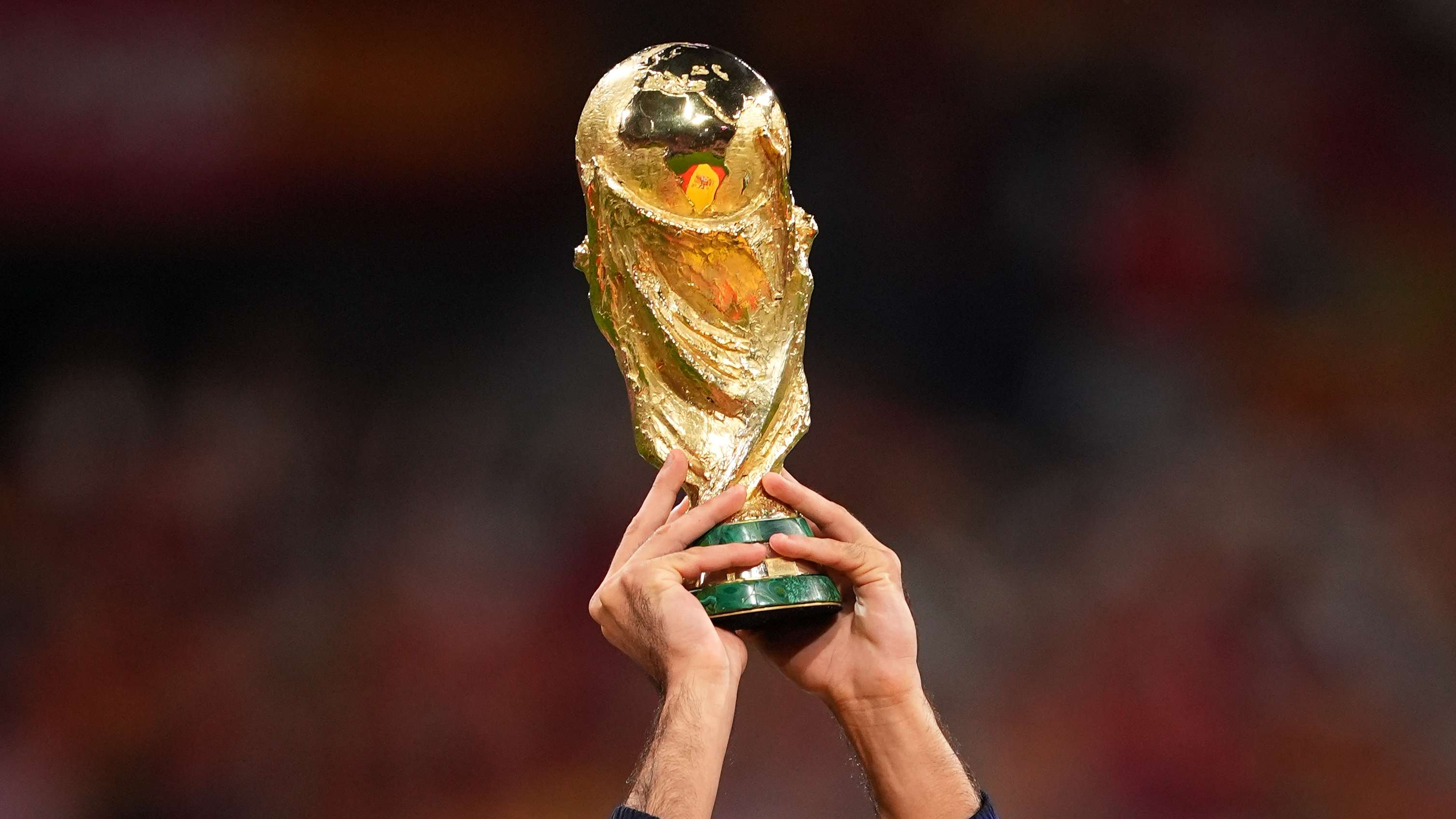
FIFA has launched a major bidding process for the United States and Puerto Rico media rights to the 2030 and 2034 World Cups, setting the stage for a potentially transformative contest between traditional broadcasters and streaming platforms. The tender covers one of the most valuable sports markets in the world—and could reshape how American audiences watch football’s biggest tournament.
Under the terms announced by FIFA, bids are currently being invited for the 2030 competition. The successful bidder may also be offered the opportunity to secure rights to the 2034 World Cup, creating a package that could be worth billions of dollars. Interested companies have until November 19 to submit proposals.
The scale of the opportunity reflects the rapid growth of World Cup audiences in the United States. FIFA says average viewership across television and online platforms for the 2026 tournament reached 13.5 million per match, a 166% increase on the average recorded during the 2022 World Cup in Qatar. Those figures make the next rights deal especially attractive to companies seeking live sports content that can draw large, passionate audiences.
A New Contest After Fox and Telemundo
The latest tender could end the familiar arrangement in which Fox holds English-language rights and Telemundo carries Spanish-language coverage in the United States. Both networks have played a central role in bringing the 2026 World Cup to American viewers, but FIFA’s new process gives other broadcasters and technology companies a chance to compete for future tournaments.
FIFA has indicated that it is open to “innovative methods” of reaching audiences. That language suggests the organization is willing to consider more than conventional television packages. Streaming services, digital platforms and hybrid deals could all be part of the next phase of World Cup coverage, depending on the bids received.
For viewers, competition could bring new ways to follow matches, including expanded streaming access, customized coverage and additional digital programming. The details would depend on the rights agreement, however, and a broader range of platforms does not automatically mean that every match will be available through a single subscription or free service.
Why the U.S. Market Matters
The United States has become increasingly important to FIFA’s commercial strategy. The country will co-host the 2026 World Cup with Canada and Mexico, and the tournament’s strong American viewership has reinforced the potential value of football rights in a market where live sports remain a major draw for both advertisers and subscription services.
The 13.5 million average audience reported for 2026 points to a significant shift in the sport’s visibility. Football has continued to build its profile in the U.S. through international tournaments, domestic leagues and the growth of a younger, more digitally connected fan base. For rights holders, the challenge will be to convert that interest into sustained viewing—not just a surge during the World Cup itself.
That creates several possible advantages for bidders. A broadcaster could use tournament rights to attract new subscribers, strengthen its sports portfolio or offer advertisers access to a large and diverse audience. A technology company might also see the competition as a way to expand its live-event ambitions and encourage users to spend more time on its platform.
Netflix’s Early Move Adds to Streaming Speculation
Interest in streaming has intensified after Netflix announced that it had secured rights to the 2030 World Cup in Spain and Andorra. The agreement represents a notable step for streaming platforms in the history of the tournament and has prompted questions about whether a similar deal could emerge in the United States.
Netflix’s move does not determine the outcome of FIFA’s separate U.S. tender, but it demonstrates that major digital services are prepared to pursue premium football content. The American market could attract an even wider field of bidders, given its scale, commercial value and growing interest in the sport.
For FIFA, inviting innovative proposals may help maximize the value of the rights while reaching audiences who increasingly watch live events on phones, computers and connected televisions. For fans, the central issue will be how any new arrangement affects access: whether coverage is available across multiple services, whether matches are bundled with other content, and how easily viewers can find live games and highlights.
Two Very Different World Cups on the Horizon
The 2030 tournament is expected to be one of the most geographically distinctive World Cups yet. Spain, Portugal and Morocco are set to host the main competition, while Argentina, Paraguay and Uruguay will stage opening matches as part of celebrations marking the tournament’s centenary. The cross-continental format is designed to connect the event with its history while bringing matches to several regions.
Saudi Arabia has been selected to host the 2034 World Cup, giving FIFA’s potential two-tournament package an additional commercial dimension. A bidder considering both editions would be looking at events with different host regions, time zones and audience opportunities, as well as the possibility of building a long-term relationship with viewers between tournaments.
What the Rights Decision Could Mean for Fans
The eventual deal will shape more than the networks carrying the matches. It could influence the quality and volume of English- and Spanish-language coverage, the availability of free-to-air games, the prominence of streaming options and the way highlights are distributed online. Fans may also see new studio formats, interactive features or personalized viewing tools if bidders propose them as part of their offer.
Still, no specific U.S. broadcaster or platform has been confirmed for the 2030 or 2034 tournaments. Until FIFA completes the bidding process and announces its decision, any prediction about the winner remains speculative. The clearest signal so far is that FIFA is inviting a broader range of media companies to compete—and that the organization believes the American audience is valuable enough to justify a high-stakes auction.
With the November 19 deadline approaching, the contest will offer an early indication of how aggressively broadcasters and streaming services are willing to invest in football’s biggest global event. The outcome may determine not only who shows the next two World Cups in the United States, but also how millions of fans experience the tournament in an increasingly digital media landscape.