
Ajax’s Outgoing Technical Director Criticizes Media Coverage Surrounding Loaned Players
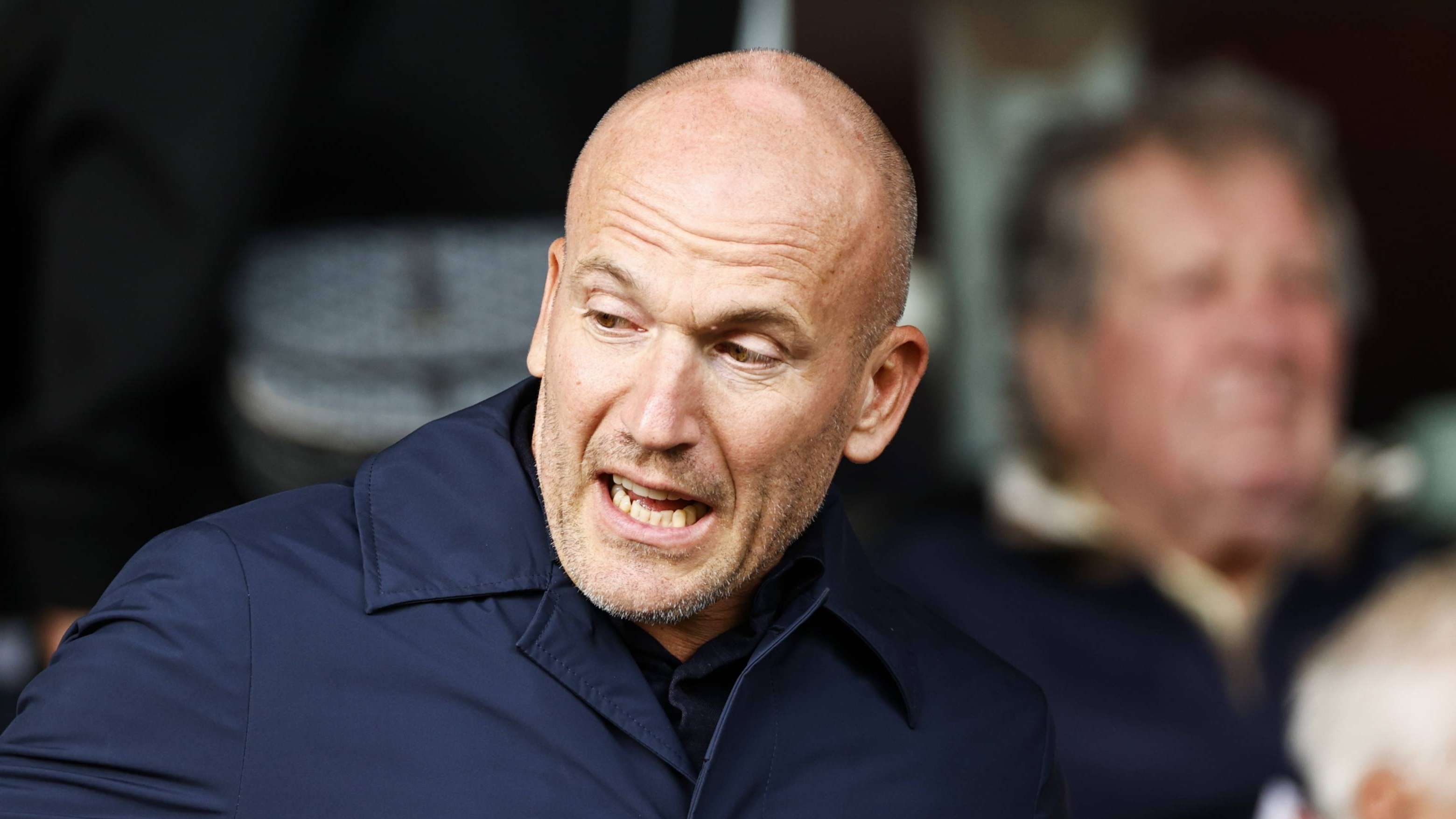
Alex Kroes, the outgoing technical director of Ajax, has recently spoken out against the media coverage surrounding the club, particularly in relation to its loaned players. Kroes, who is handing over his duties to Jordi Cruijff, believes that an inaccurate and overly negative picture is being painted by the media.
According to Kroes, there have been reports suggesting that loaned-out players have had little or no contact with Ajax during their spells away from the club. However, Kroes argues that these statements are untrue and that communication does take place, albeit not always perfectly.
“So many little lies are being spread and written,” Kroes stated, emphasizing that there is indeed contact between the club and its loaned players. He also pointed out that a single interview can have significant consequences within the club, leading to confusion among players and staff.
Names such as Gerald Alders, Tristan Gooijer, Dies Janse, Nick Verschueren, and Ahmetcan Kaplan have been mentioned in recent reports regarding their alleged lack of contact with Ajax. Kroes refuted these claims, arguing that the situation is not as black-and-white as it is portrayed in the media.
While acknowledging that there is room for improvement in the club’s communication with loaned players, Kroes believes that the current portrayal is overly negative. He highlighted the constant scrutiny that Ajax faces, with even minor details being blown out of proportion.
Despite the challenges, Kroes pointed out that Ajax does have support systems in place for players, including assistance with language development and accommodation. He acknowledged that there is always room for improvement but praised the efforts of those working to provide support within the club.
Looking ahead, Kroes expressed hope that Ajax would find calmer waters in the future. He acknowledged that the club will never be as calm as rivals PSV and Feyenoord but emphasized the need to reduce the constant noise surrounding Ajax in order to focus on achieving the best results.
Conclusion
In conclusion, Alex Kroes’s criticism of the media coverage surrounding Ajax’s loaned players sheds light on the complexities of managing player relationships in a high-profile club. While admitting that improvements can be made, Kroes’s remarks suggest that the current portrayal of Ajax’s interactions with loaned players may be exaggerated. As Ajax navigates these challenges, the club will need to find a balance between addressing areas of improvement and maintaining a positive public image.
Impact of Media Coverage on Player Morale
The media plays a crucial role in shaping public perception, including that of professional football clubs and their players. Negative coverage can not only affect the club’s reputation but also impact the morale of the players themselves. When loaned players are portrayed in a negative light, it can create a sense of isolation and disconnection, leading to potential discord within the team.
Players who feel misrepresented or misunderstood by the media may struggle to perform at their best, affecting their confidence and overall performance on the field. It is essential for clubs like Ajax to address these issues proactively, not only to protect their players’ well-being but also to maintain a cohesive and harmonious team dynamic.
The Importance of Clear Communication
Clear and effective communication is key to building strong relationships between clubs and loaned players. It is essential for players to feel supported and valued, even when they are away from the parent club. Establishing open channels of communication, providing regular updates, and offering assistance where needed can help foster a sense of belonging and engagement among loaned players.
Ajax’s efforts to improve communication with loaned players demonstrate a commitment to nurturing positive relationships and creating a supportive environment for all members of the club, regardless of their current playing status. By addressing misconceptions and improving transparency, Ajax can strengthen its bonds with loaned players and enhance overall team cohesion.
Striking a Balance Between Criticism and Recognition
While it is important to acknowledge areas where improvement is needed, it is equally crucial to recognize the efforts and achievements of clubs like Ajax in supporting their players. By highlighting the positive initiatives and support systems in place, the media can contribute to a more balanced and nuanced portrayal of the club’s interactions with loaned players.
Acknowledging the challenges faced by Ajax and other football clubs in managing loaned players can help foster a greater sense of understanding and empathy among fans and the broader football community. By emphasizing the complexities of player relationships and the efforts made to address them, clubs can garner more support and appreciation for their dedication to player welfare.
Conclusion: Nurturing Positive Relationships in Football
In conclusion, the criticism voiced by Alex Kroes regarding media coverage surrounding Ajax’s loaned players underscores the importance of clear communication, positive reinforcement, and empathy in football management. As clubs strive to navigate the complexities of player relationships, it is essential to prioritize player welfare, foster supportive environments, and promote a balanced narrative in the media.
By addressing misconceptions, improving communication channels, and recognizing the efforts made to support players, clubs like Ajax can enhance team cohesion, boost player morale, and ultimately achieve greater success on and off the field.
As Ajax continues to evolve and adapt to the demands of modern football, the club’s commitment to nurturing positive relationships with its players will be crucial in shaping its future trajectory and maintaining its status as a respected and successful football institution.