
Saudi Football Crisis Deepens: Waleed Al-Farraj Sparks Controversy Over National Team Selections
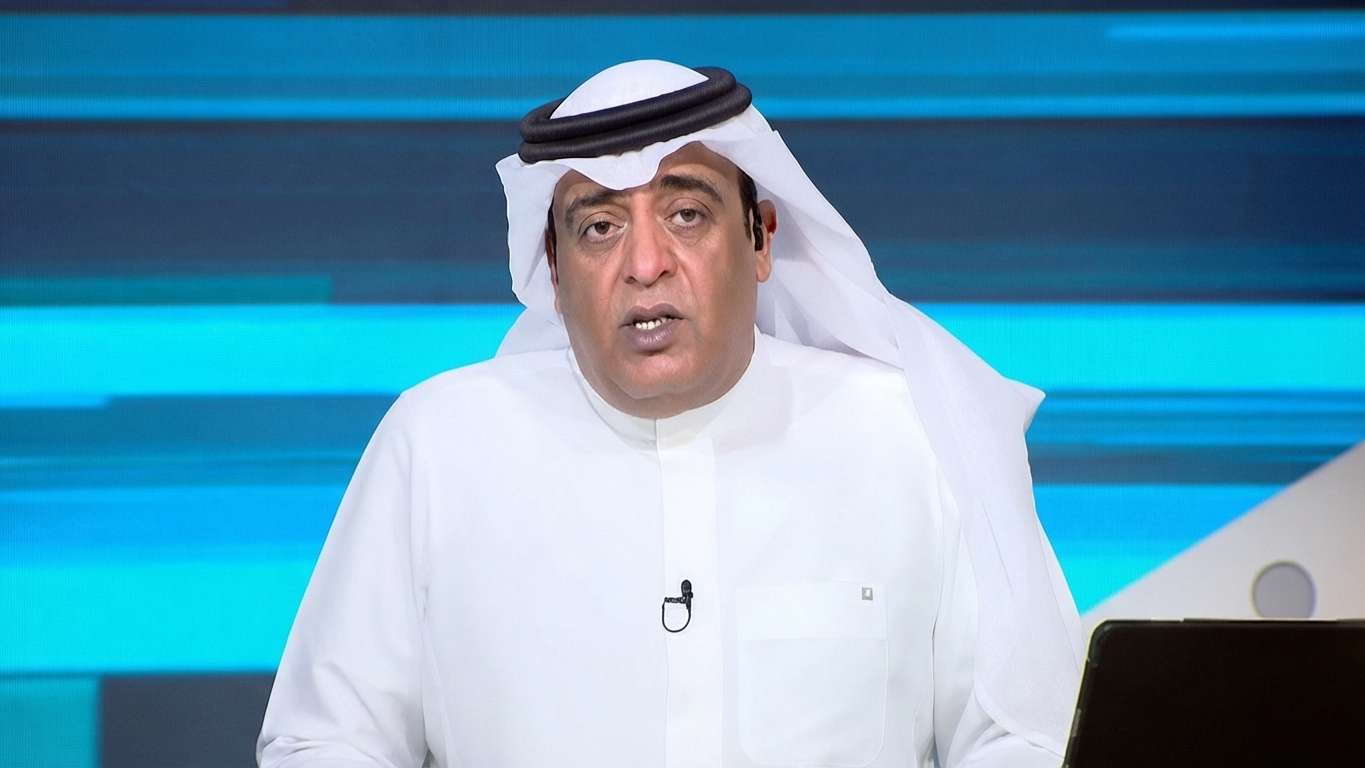
In a development that has sent shockwaves through the Saudi football community, renowned sports presenter Waleed Al-Farraj has ignited a heated debate about the current state of the national team’s management and selection policies. During his popular program “Rotana Sport with Waleed,” Al-Farraj made a cryptic remark that has left fans, pundits, and analysts speculating about the underlying reasons behind recent decisions made by the coaching staff, particularly regarding the exclusion of promising young midfielder Musab Al-Juwayr.
Unpacking the Controversial Statement
Al-Farraj’s comments, delivered during a segment that analyzed the ongoing performance and strategic direction of the Green Falcons, were deliberately ambiguous. He stated, “Some decisions, you will see their results, but not right now.” This statement, while vague, has been interpreted as a subtle critique or at least a hint towards the choices made by Greek head coach Georgios Donis in recent weeks.
What makes this statement particularly compelling is its timing. It came shortly after the squad announcement for the upcoming Gulf Cup 27, where Musab Al-Juwayr was noticeably omitted. For many fans and football enthusiasts, the young midfielder was seen as a key player with significant potential to influence the team’s fortunes in the tournament. His absence raised eyebrows, especially given the high expectations placed upon him in the lead-up to Gulf Cup 27.
The Context of Musab Al-Juwayr’s Omission
Musab Al-Juwayr, considered a rising star in Saudi football, had been making waves with his performances at the club level, attracting attention from scouts and fans alike. His exclusion from the national squad for the Gulf Cup was met with surprise and disappointment, sparking a wave of speculation about whether it was due to tactical reasons, disciplinary issues, or perhaps disagreements behind the scenes.
Al-Farraj did not explicitly name Al-Juwayr or specify which decisions he was referencing. His use of ambiguity left room for multiple interpretations, fueling the ongoing debate about the transparency and rationale behind the national team’s selection process. This has become a focal point in the broader controversy surrounding the coaching strategies of Georgios Donis.
The Broader Football Prediction and Expectations
As football fans analyze the unfolding situation, many are questioning the future trajectory of Saudi football under Donis’s leadership. The team’s recent performances have been inconsistent, with critics pointing to questionable tactical choices and squad rotations. The prediction for the Green Falcons’ performance in upcoming tournaments hinges heavily on whether the coaching staff can foster a cohesive, motivated squad that maximizes its talent pool.
Experts and pundits are now pondering whether the decision to exclude Al-Juwayr signals a shift in the team’s tactical approach or perhaps a broader internal conflict. The outcome of these decisions could significantly impact Saudi football’s international reputation and its prospects in future Asian qualifiers and World Cup campaigns.
Analyzing the Impact of Coach Georgios Donis
Greek coach Georgios Donis has faced mounting pressure to deliver results that satisfy both the federation’s expectations and the passionate fan base. Since taking charge, Donis has implemented a series of strategic adjustments, but not all have been well received. His selection choices, in particular, have been scrutinized for their consistency and transparency.
Many believe that the current crisis stems from a disconnect between the coach’s tactical vision and the players’ performances. Donis’s decision to leave out key players like Al-Juwayr can be viewed as a move aimed at restructuring the team or enforcing discipline. However, critics argue that such decisions should be communicated more clearly to build trust and understanding among supporters.
The Road Ahead: What to Expect in the Coming Days
The recent statements by Al-Farraj have set the stage for a period of intense speculation within Saudi football circles. Fans are eagerly awaiting further clarifications or official statements that might shed light on the true reasons behind the squad selection choices. The upcoming days are crucial, as they could reveal whether the decision to omit Al-Juwayr was part of a broader tactical overhaul or an isolated case.
In the broader context of football prediction, this controversy underscores the importance of transparent leadership and strategic planning. The outcome of this internal debate could influence Saudi Arabia’s chances in upcoming international competitions, including the Asian Cup and World Cup qualifiers.
The Significance of Transparency in Football Predictions
Effective football prediction relies heavily on understanding team dynamics, coaching strategies, and player development. When key decisions are shrouded in ambiguity, it becomes difficult for analysts and supporters to accurately forecast the team’s future performance. Transparency in selection processes not only boosts confidence but also enhances the national team’s credibility on the international stage.
As Saudi football continues to evolve, the importance of clear communication between the coaching staff, federation, and supporters cannot be overstated. The current crisis presents an opportunity for the federation and coaching staff to reassess their strategies and foster a more open dialogue to rebuild trust and enthusiasm among fans.
Final Thoughts: The Future of Saudi Football and Prediction Insights
The controversy sparked by Waleed Al-Farraj’s comments highlights the complex and often sensitive nature of football management at the national level. While the decision to exclude young talents like Musab Al-Juwayr may be justified from a tactical standpoint, how these decisions are communicated and justified plays a crucial role in shaping public perception and team morale.
Looking ahead, football prediction enthusiasts and analysts will be closely monitoring the developments in the coming weeks. The outcome of this internal debate could significantly influence Saudi Arabia’s strategic direction, performance in upcoming tournaments, and overall standing in Asian and global football rankings.
Ultimately, the path to restoring confidence and achieving success in international football hinges on transparent decision-making, strategic patience, and nurturing the next generation of Saudi stars. As the Green Falcons prepare for future challenges, all eyes will be on how leadership navigates this turbulent period and whether they can turn controversy into a catalyst for growth and excellence on the football pitch.