
Michael Ballack Defends Lennart Karl in Public Dispute With Bayern Munich Leaders
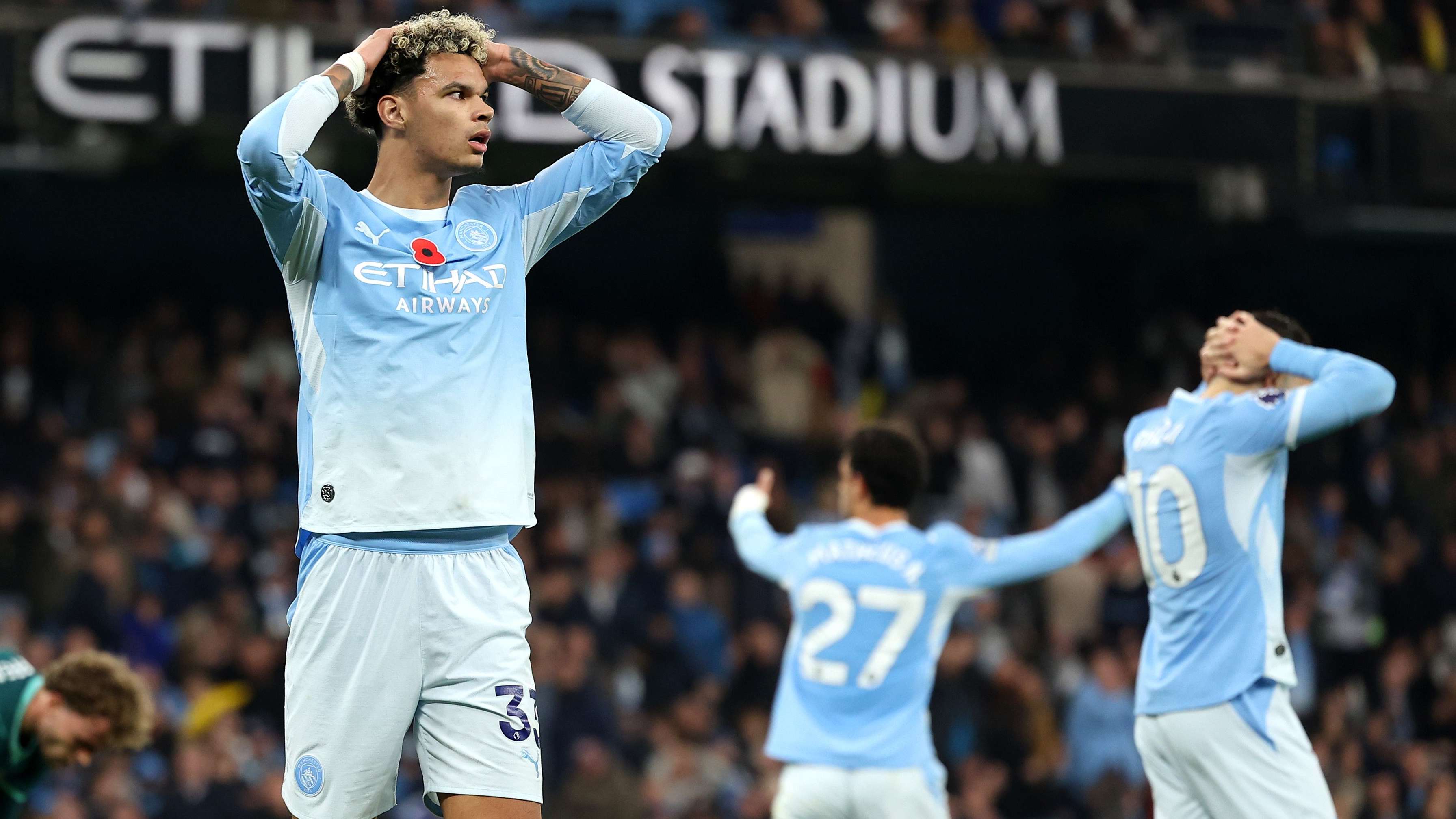
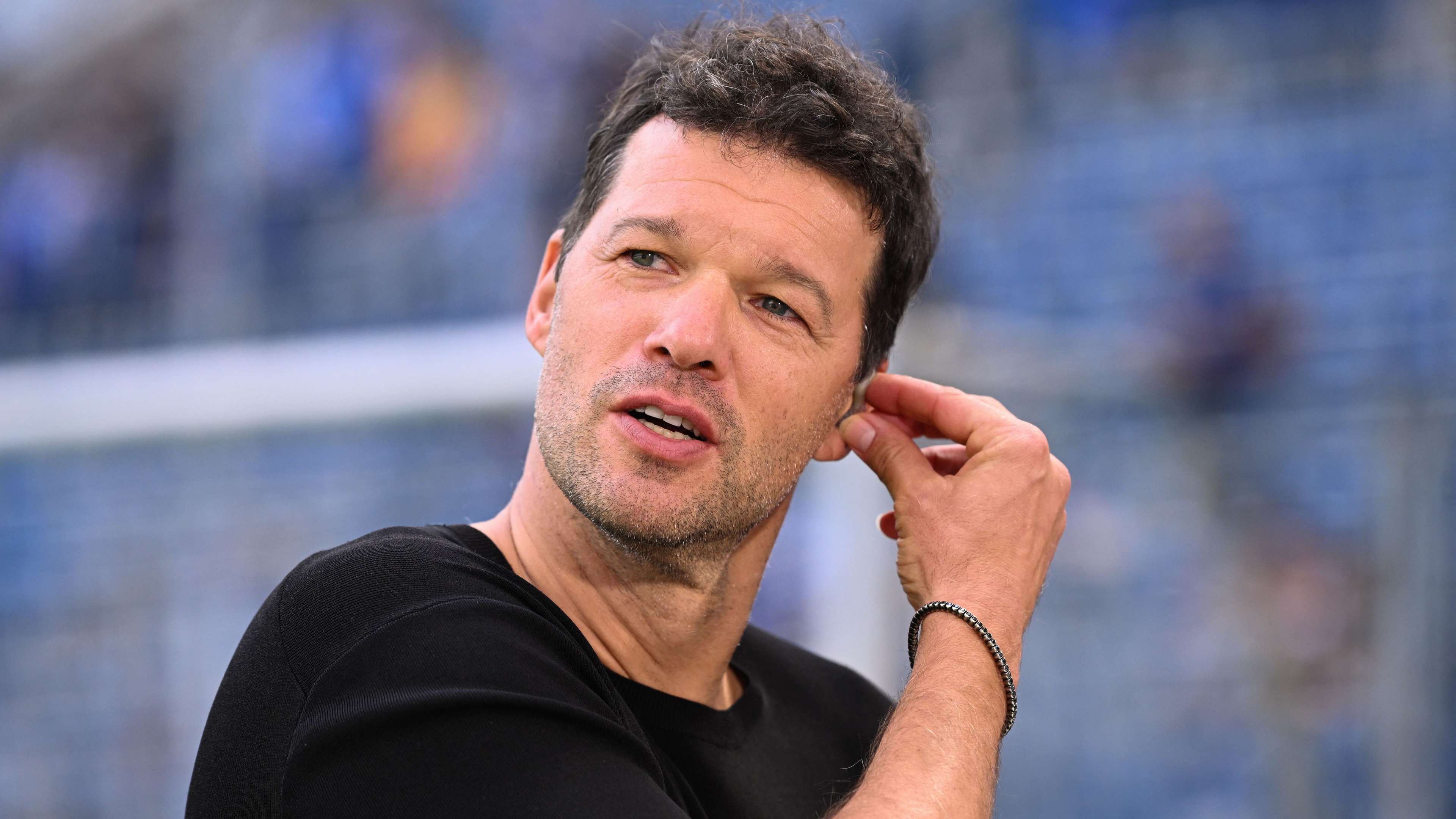
Former Germany captain Michael Ballack has stepped into the growing debate around Bayern Munich youngster Lennart Karl, criticising the way senior club figures have spoken about the 18-year-old. Ballack, who represented Bayern from 2002 to 2006, argues that the timing and tone of the public comments risk placing unnecessary pressure on a promising player.
The disagreement has drawn attention to a familiar challenge in modern football: how established clubs can demand discipline and humility from young talent without allowing criticism to overshadow development. Karl has attracted scrutiny both for his performances and for discussion surrounding his conduct away from the pitch. Ballack’s intervention has now brought Bayern honorary president Uli Hoeness and sporting director Max Eberl into the conversation.
Hoeness’s Comments Put Karl Under the Spotlight
Hoeness recently delivered a sharp message to Karl, saying the teenager was “not a star yet” and needed to show more humility. He also suggested that he wanted to speak with the player personally. The remarks were intended as a warning about expectations at Bayern, where young footballers face intense competition and are expected to uphold the club’s standards.
Yet public criticism from one of the most influential figures in Bayern’s history can carry considerable weight. For an 18-year-old still establishing himself at senior level, comments of that kind may quickly become a major news story, particularly when repeated across television, newspapers and social media. Rather than focusing solely on Karl’s progress on the pitch, the debate has expanded into questions about his attitude, his public image and the club’s approach to managing emerging talent.
Ballack has objected to that approach. He believes the timing of the criticism was baffling and has defended Karl against what he sees as a wave of negative attention. His response is significant not only because of his status as a former Bayern player, but also because he has experience of the expectations placed on elite footballers. Ballack won 98 caps for Germany and knows how quickly a young player can become a subject of intense public debate.
Ballack Challenges Bayern’s Handling of the Situation
Ballack’s comments have not been limited to Hoeness. He has also taken aim at sporting director Max Eberl, widening the dispute into a broader discussion about Bayern’s leadership and communication. The central issue is not simply whether Karl should be reminded of the standards required at the club. It is whether such a message is best delivered publicly or in a private conversation.
At a club with Bayern’s profile, senior officials often feel responsible for protecting its culture and reputation. Their words can reinforce expectations around professionalism, teamwork and respect. But public statements can also create a difficult environment for a young player, especially if they encourage supporters and commentators to judge every subsequent performance through the lens of a controversy.
Ballack’s defence reflects a different view of player development. Young footballers need guidance and accountability, but they also need room to learn from mistakes and gain confidence. In his view, the way a club communicates with a teenager can be as important as the message itself. A direct conversation behind closed doors may preserve the authority of senior figures while avoiding an unnecessary media storm.
Why the Debate Matters for Karl’s Development
Karl’s age is central to the discussion. At 18, he is at the beginning of a career in which expectations can rise faster than experience. A standout display may bring praise and comparisons with established stars; a poor performance or perceived misstep can produce equally forceful criticism. That contrast is especially pronounced at Bayern, where the demands are high and every result is closely examined.
For Karl, the immediate challenge is to keep his attention on football. His performances, training and response to pressure will ultimately shape his standing within the squad. But the club also has a role to play in ensuring that public scrutiny does not become a distraction from his development. The most productive outcome would be a clear understanding between the player and Bayern’s leadership about expectations, responsibilities and how concerns should be addressed.
The episode also highlights the influence of agents and former players in modern football. Karl’s representative, Michael Ballack, has reacted strongly to the criticism, while Ballack’s own history with Bayern gives his comments added resonance. Such interventions can help defend a player’s interests, but they can also intensify a dispute by turning an internal matter into a public exchange.
What Comes Next for Bayern Munich?
Bayern now face the task of moving the discussion away from personal remarks and back towards the team’s football. If Karl is given clear guidance and an opportunity to respond on the pitch, the controversy could become a short-lived lesson in the pressures of elite sport. If the disagreement continues publicly, however, it may place further attention on the teenager and create a distraction for the club.
Supporters will be watching to see whether Karl features in Bayern’s upcoming fixtures and how he handles the increased attention. The schedule includes a Champions League meeting with Atlético Madrid on 4 November 2026, followed by another European fixture against Borussia Dortmund on 5 November. Those matches will offer a sporting backdrop to the debate, although selection and performance should not be treated as a simple verdict on the disagreement.
Any football prediction about Karl’s future at Bayern should therefore be cautious. His age, potential and the club’s competitive environment all make it too early to draw firm conclusions from one public dispute. Much will depend on how he responds to pressure, how consistently he performs and whether Bayern’s leaders can balance high standards with constructive support.
Ballack’s intervention has made the issue bigger than a disagreement over one teenager’s attitude. It has raised broader questions about leadership, media pressure and the responsibilities clubs carry when developing young players. Bayern’s next steps may determine whether the episode becomes a useful moment of guidance for Karl—or an avoidable controversy that follows him through the early stages of his career.