
Clarence Seedorf Returns to Management as Corinthians Seek a Turnaround
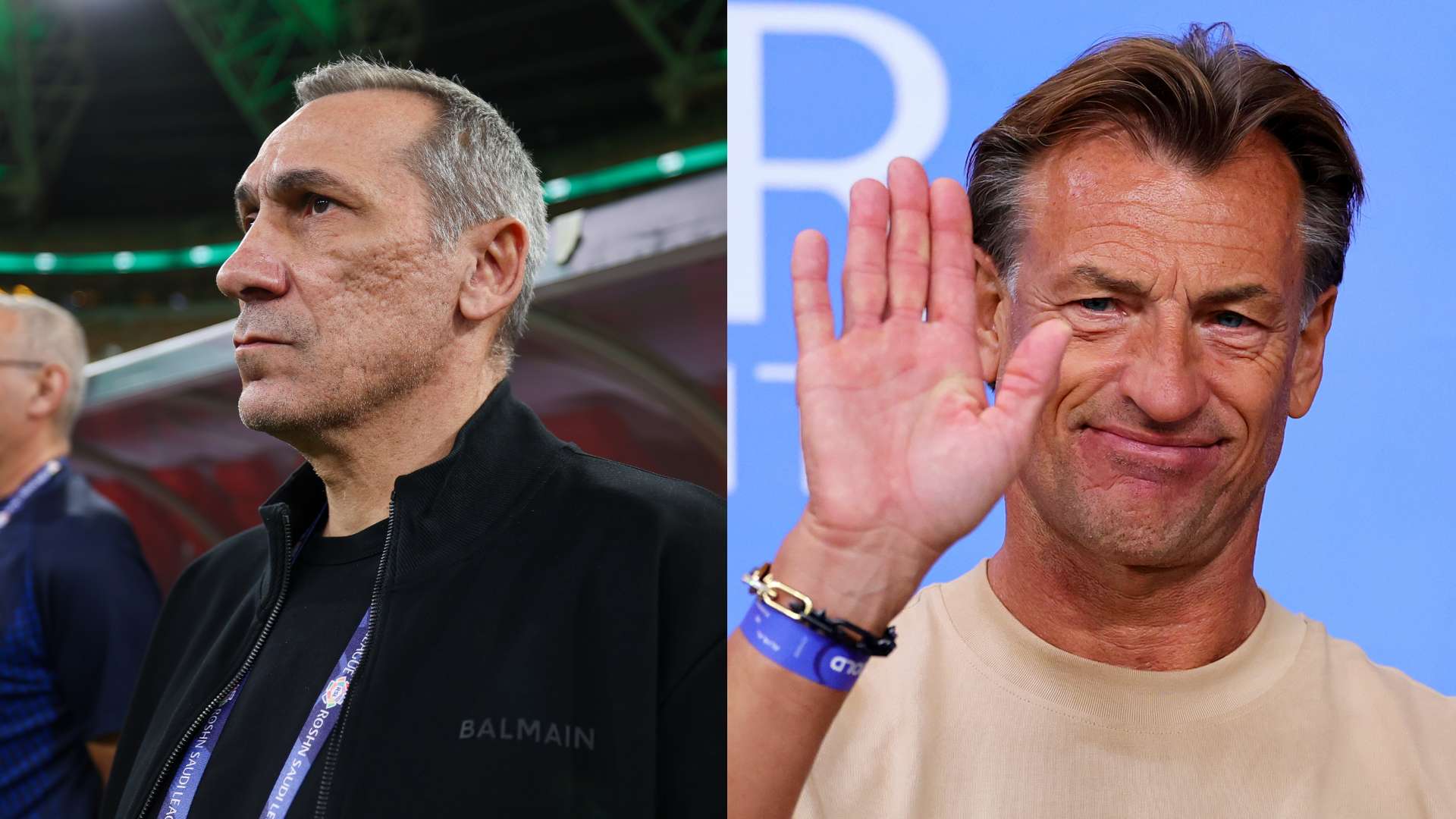
Corinthians have appointed former Netherlands international Clarence Seedorf as their new head coach, bringing an end to a search for leadership during a difficult Brazilian league campaign. The move marks Seedorf’s return to the dugout after a seven-year absence and gives the club a high-profile figure to lead its effort to climb away from danger.
The former midfielder has signed a contract running through December 2027. Corinthians hope his experience at some of Europe’s biggest clubs—and his previous coaching work—can help restore confidence and improve results. The immediate challenge is clear: the São Paulo side sit 16th in the Brasileirão, just one point above the relegation zone.
A High-Stakes Appointment for Corinthians
Corinthians’ season has fallen well short of expectations, leaving the club under pressure to find a manager capable of delivering a rapid response. With the table tightly packed near the bottom, even a short run of poor results could have serious consequences. The appointment is therefore about more than a change in tactics; it is an attempt to create stability at a critical point in the campaign.
Seedorf arrives with a reputation built over an exceptional playing career. He represented major clubs including AC Milan and Inter Milan, and his time in elite European football exposed him to different coaching methods, dressing-room cultures and approaches to winning. That background may help him command respect from Corinthians’ squad, although success as a celebrated player does not automatically translate into success as a manager.
The club’s decision also signals that it is prepared to take a longer view. A contract through December 2027 gives Seedorf time to shape the team beyond the immediate relegation concern. However, the first measure of his tenure will be whether Corinthians can collect points quickly enough to create distance from the bottom of the Brasileirão standings.
What Seedorf Brings to the Touchline
Seedorf has been away from management for seven years, making his return one of the most notable aspects of the appointment. The break raises understandable questions about how quickly he can adapt to the demands of the modern coaching environment and to the particular pressures of Brazilian football. At the same time, his long playing career has given him extensive experience in high-pressure settings and with teams expected to compete for major honours.
His challenge will be to turn that experience into a clear plan for a side that needs consistency. Corinthians must improve not only their results but also their ability to manage matches—especially when protecting a lead or responding after conceding. A new coach can bring renewed energy, but lasting progress generally depends on organisation, communication and a settled approach on the pitch.
Seedorf will also need to assess the squad quickly. That means identifying the team’s strongest combinations, deciding where changes are needed and building a reliable core of players. If the club considers strengthening the roster, any transfer decisions will need to support the coach’s priorities while taking account of the financial and sporting realities of the season.
Corinthians’ Immediate Priorities
The first objective is straightforward: move clear of the relegation zone. Sitting one point above it leaves little margin for error, so every fixture carries added importance. Corinthians will need to turn close contests into points and avoid allowing pressure to grow as the season progresses.
Beyond the league position, Seedorf must help rebuild belief among the players and supporters. A difficult campaign can affect confidence, particularly when results fail to reflect the team’s ambitions. A strong start under the new manager could change the atmosphere around the club, while another sequence of disappointing performances would intensify scrutiny of both the appointment and the squad.
It will be important, too, for Corinthians to balance urgency with patience. A new coaching staff often needs time to introduce its ideas, but the club’s position means that there is limited room for a slow adjustment. Seedorf’s early decisions—his selection choices, training priorities and approach to game management—are likely to shape how quickly the team responds.
Prediction: Can Seedorf Lift Corinthians?
Any prediction about the appointment should be cautious. Seedorf’s name and experience provide a compelling story, but the outcome will depend on practical factors: the players available, the team’s response to his methods and the club’s ability to address weaknesses during the season. His return to coaching is an opportunity, not a guarantee of an immediate turnaround.
If Corinthians can become more disciplined and consistent, they have a realistic chance of moving away from the danger area. The longer contract may also allow Seedorf to build a more coherent project once the immediate pressure eases. But the short-term task remains unforgiving: Corinthians need points, and they need them soon.
For Seedorf, the appointment offers a chance to restart his coaching career on a major stage. For Corinthians, it is a high-profile gamble designed to bring direction to a season in crisis. Whether the partnership develops into a long-term success will depend on what happens over the coming weeks, when the club’s performances will provide the first meaningful evidence of whether the change can deliver the recovery its supporters are hoping for.