
Ludovic Ajorque’s Brest Brilliance Sparks France Call-Up Debate
Brest’s emphatic 5-1 victory over Angers delivered more than three points and an entertaining night of football. It also renewed the conversation around Ludovic Ajorque’s international prospects. The experienced striker opened the scoring, unsettled Angers throughout the match and gave Brest coach Julien Lachuer reason to argue that his forward deserves consideration for France.
Ajorque’s performance was built around the qualities that have made him a difficult opponent in Ligue 1: strength, intelligent movement and a commanding presence inside the penalty area. At 32, he used his physicality to trouble defenders and helped Brest turn promising attacks into sustained pressure. His opening goal set the tone for a dominant display, but his contribution extended beyond finishing, as he offered a focal point for the team’s forward play.
Lachuer makes the case for Les Bleus
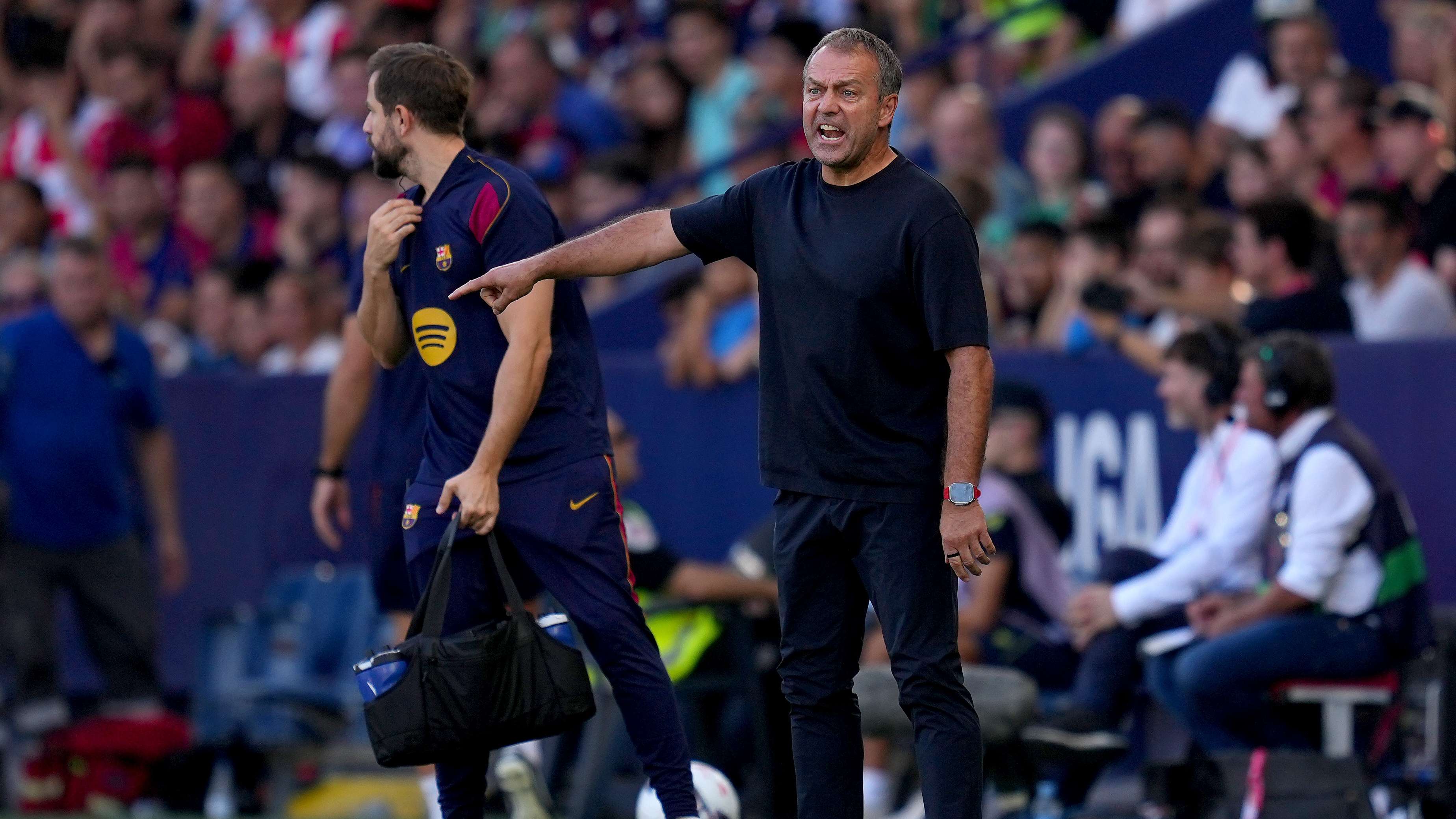
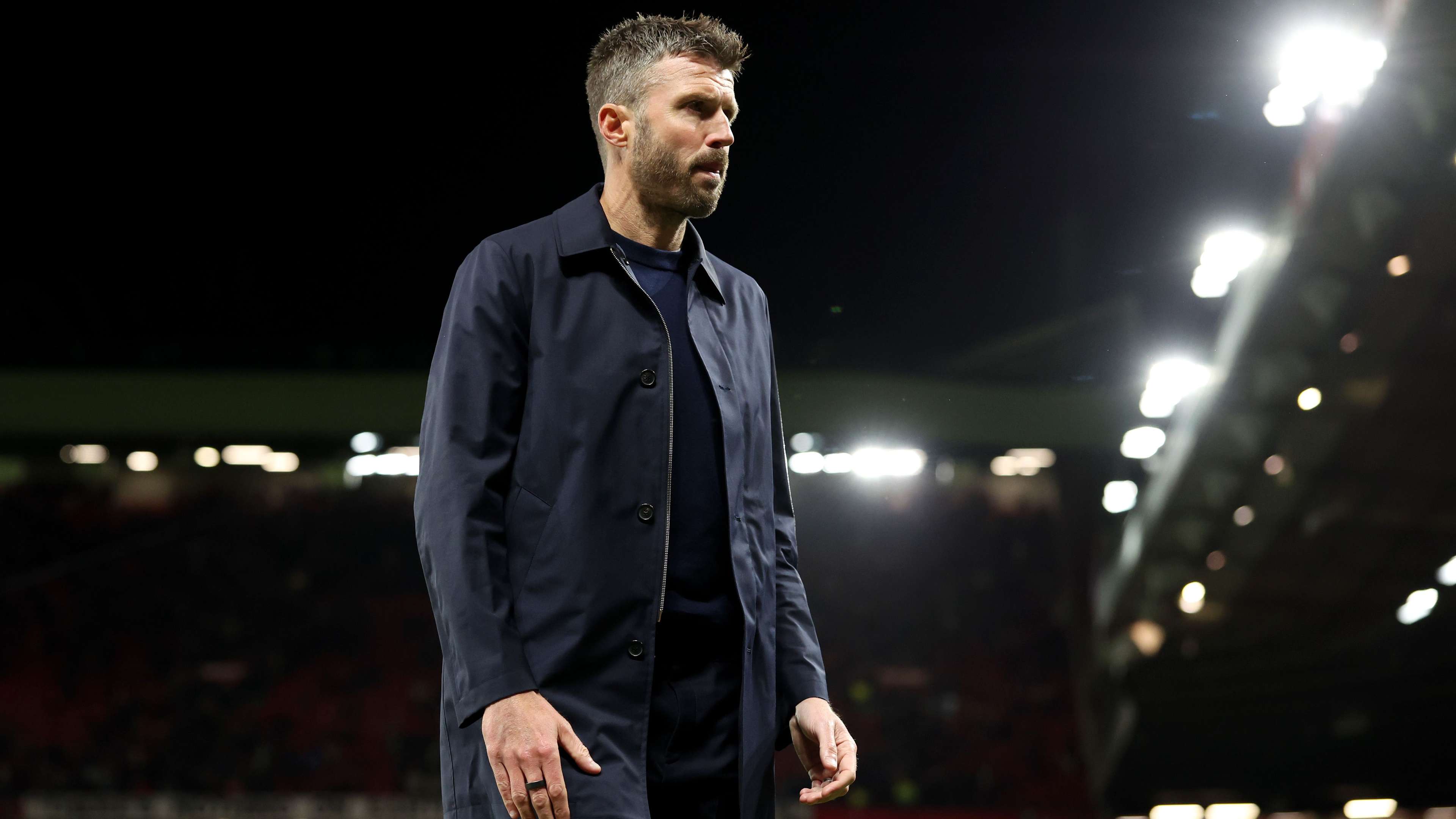
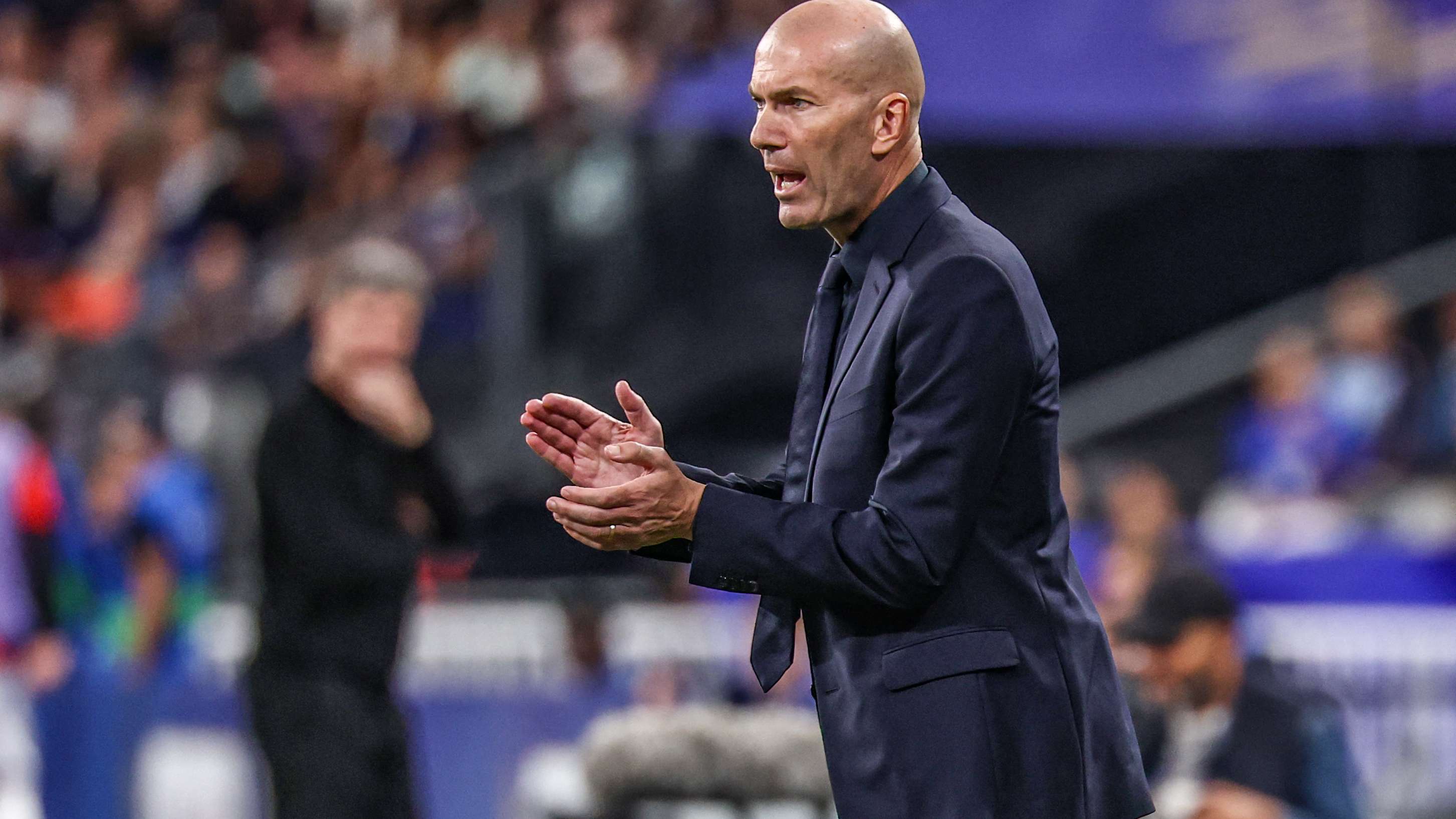
Speaking to Ligue +1, in comments reported by Foot Mercato, Lachuer suggested Ajorque fits the profile of a striker the national team could use. He referred to the need for a forward capable of imposing himself in the box and said he would make the case for a call-up if France coach Zinedine Zidane had watched the match.
“If he is watching the match on television, then I would argue the case for calling Ajorque up to Les Bleus,” Lachuer said. “In any case, he deserves it.”
The coach’s comments were enthusiastic, but they also reflected a broader message: strong performances at club level should give players permission to aim for the highest honours. Ajorque’s display against Angers offered a vivid example of how a striker can influence a match through more than goals alone. His ability to occupy defenders, compete for the ball and connect with teammates gave Brest a reliable platform in attack.
Why Ajorque’s profile stands out
France has a deep pool of attacking talent, so earning a place in the national squad is a demanding challenge. Ajorque’s case is not based on one result. His experience in Ligue 1 and his established record provide a wider context for Lachuer’s praise. The striker has scored 69 goals in 204 appearances in the competition, a return that underlines his consistency across multiple seasons.
Those numbers also highlight the value of his particular style. Ajorque is a traditional target man in some respects, but that label can understate his influence. A forward who can hold the ball under pressure gives his team time to move up the pitch, while his aerial strength can turn clearances into attacking opportunities. Against Angers, his physical presence repeatedly made life uncomfortable for the opposition defence and helped Brest maintain momentum.
For a national team, a striker with those attributes can provide a different option from quicker forwards who prefer to attack space behind the back line. Whether that profile is needed in a particular squad depends on the coach’s plans, opponents and tactical approach. But Ajorque’s performance made the argument for variety: a powerful centre-forward can change the rhythm of a match and offer a direct route to goal when a defence is difficult to break down.
Club ambition as a route to international recognition
Lachuer has also been clear that his players should not limit their ambitions to simply competing in Ligue 1. He wants them to believe that consistent performances at Brest can lead to opportunities at the highest level. That outlook reflects a familiar truth in football: international recognition often begins with a player making himself impossible to ignore at club level.
“We have to have ambitions,” Lachuer explained. “We should not settle for simply playing matches with Brest in Ligue 1; we must aspire to play at the highest levels.”
He paired that ambition with praise for Ajorque’s dedication and daily work. A call-up is never guaranteed, and a single standout match cannot decide a player’s international future. Yet coaches can help set the standard by encouraging their squad to pursue progress rather than become comfortable with existing achievements. For Ajorque, that means building on his performance with continued consistency, fitness and decisive contributions.
Esteban Lepaul offers a recent example
Lachuer pointed to Esteban Lepaul as an example of how Ligue 1 form can translate into a France opportunity. Lepaul was recently selected for the national squad and impressed under Zidane, reinforcing the idea that strong domestic performances can attract attention. His progress gives Ajorque and other players a tangible reference point, even though each international selection is shaped by individual circumstances and the coach’s tactical priorities.
The comparison is not necessarily about the two forwards having identical roles. Instead, it supports Lachuer’s larger message: players should not rule themselves out before the selection process begins. If performances are strong enough, the national team conversation can follow.
Brest’s result strengthens the prediction debate
Brest’s 5-1 win over Angers will be remembered first as a commanding team performance, but it has also given Ajorque’s France prediction fresh momentum. His goal and all-round display offered a persuasive snapshot of what he can bring, while his career record supplies evidence beyond one memorable evening.
Whether Zidane ultimately calls on the veteran striker remains uncertain. Selection depends on form, competition for places and the balance a coach wants across the squad. Still, Ajorque has made his case in the most effective way available: by performing on the pitch. If he can sustain this level, the debate around a France call-up is likely to continue—and Brest will benefit from a forward playing with both confidence and ambition.