
Saudi Arabia Clinches 27th Arabian Gulf Cup Title, Ending a 23-Year Drought in Football Glory
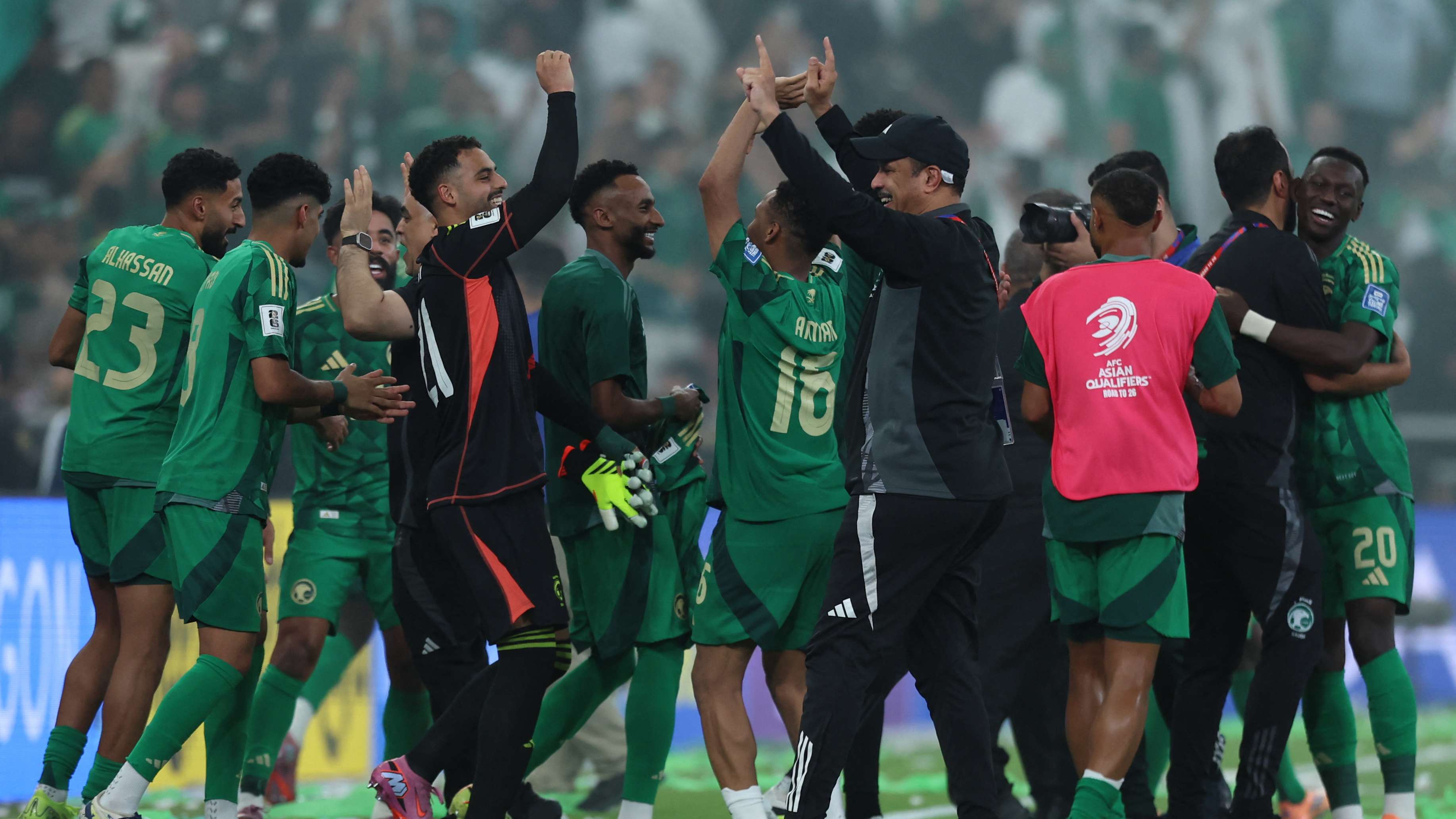
In a spectacular display of skill, determination, and strategic prowess, Saudi Arabia has emerged victorious in the 27th edition of the Arabian Gulf Cup, also known as Gulf 27. By defeating the United Arab Emirates (UAE) 2-0 in the final held at the iconic Al-Inmaa Stadium in Jeddah, the Saudi national football team secured their fourth Gulf Cup title—their first in over two decades. This triumph not only rekindles national pride but also elevates Saudi football’s standing on the regional stage, marking a significant milestone in their sporting history.
Historic Victory Sparks Celebration and Sets New Benchmarks in Regional Football
The victory signifies a pivotal moment for Saudi football, which has been steadily rebuilding and investing in youth development and infrastructure. The last time Saudi Arabia lifted the Gulf Cup was in 2003, making this win a momentous occasion for fans and players alike. The 23-year wait culminated in a commanding performance against a strong UAE side, underscoring the team’s tactical discipline and resilience.
The match, held on a crisp Tuesday evening, drew a vibrant crowd of supporters eager to witness their team reclaim regional dominance. From the onset, Saudi Arabia demonstrated an aggressive approach, pressing high and controlling possession to set the tone for the game. Their early dominance was reflected in a string of attacking opportunities and a swift opening goal that left spectators in awe.
Key Moments and Standout Performances in the Final
The game’s decisive moments unfolded quickly. Just 11 minutes into the match, Humam Al-Humami broke the deadlock with a clever finish. Receiving the ball from outside the box, his shot was slightly deflected by the Emirati defense, causing the goalkeeper, Khalid Eisa, to misjudge the trajectory. The ball nestled into the back of the net, igniting jubilant celebrations among the Saudi players and fans.
Building on their momentum, Saudi Arabia doubled their lead three minutes later. Firas Al-Buraikan showcased his speed and composure by racing through the Emirati defense, calmly finishing with a low left-footed shot that beat the goalkeeper and secured the lead. This early dominance set the tone for the remainder of the match, with Saudi Arabia controlling possession and limiting the UAE’s attacking opportunities.
Despite their efforts, the UAE struggled to find a rhythm and create clear-cut chances. Saleh Abu Al-Shamat came closest to opening the Emirati account, rattling the post with a powerful shot that narrowly missed reducing the deficit. The Saudi defense, led by their disciplined backline, maintained composure and thwarted several late attempts to score, ensuring their clean sheet and ultimate victory.
Implications of the Victory for Saudi Football and Future Predictions
This triumph marks a turning point for Saudi football, which has been on an upward trajectory over the past few years. The victory enhances the national team’s confidence, especially ahead of upcoming regional and international tournaments such as the AFC Asian Cup and World Cup qualifiers. It also serves as a testament to the effectiveness of recent investments in youth academies, coaching staff, and infrastructure, aligning with Saudi Arabia’s broader Vision 2030 sports initiative.
From a prediction standpoint, this victory could signal a shift in regional football dynamics. Saudi Arabia’s resurgence might challenge traditional powerhouses like Kuwait and Iraq, who have historically dominated the Gulf Cup. The win also raises expectations for the national team to perform well on larger stages, possibly positioning them as dark horses in upcoming Asian competitions.
Saudi Arabia and UAE: A Historic Rivalry with New Chapters
The Gulf Cup rivalry between Saudi Arabia and the UAE is one of the most compelling narratives in regional football. The UAE, with their two Gulf Cup titles in 2007 and 2013, has often been seen as a formidable contender. However, their recent drought continues, with the 2023 final marking their 13th year without lifting the trophy.
Despite the loss, the UAE remains a footballing force in the Gulf region, with significant investments in domestic leagues and youth development. Their persistent competitiveness suggests that future encounters will be fiercely contested, adding further excitement to the prediction of future Gulf Cup matches.
Regional and Global Context: What This Means for Gulf Football
This victory is more than just a regional trophy; it symbolizes the rising standards of Gulf football on the international stage. As Middle Eastern nations continue to invest heavily in their football infrastructure, the competition is expected to become more intense and unpredictable. The Saudi win could inspire other nations to elevate their game, leading to a more competitive and entertaining regional football landscape.
Furthermore, with increased visibility and prestige, the Gulf Cup can serve as a stepping stone for talented players to showcase their skills to global audiences, potentially attracting scouts and clubs from Europe and beyond. The prediction for the future is optimistic: Gulf football is on the rise, and Saudi Arabia’s recent success sets a promising precedent for upcoming tournaments.
Looking Ahead: The Future of Saudi Football and Regional Predictions
As Saudi Arabia celebrates their historic Gulf Cup victory, attention now turns to the broader implications for their football development plans. The victory provides a solid foundation for nurturing emerging talents, encouraging more investment in grassroots programs, and fostering a competitive environment that can produce world-class players.
From a prediction perspective, fans and analysts see this win as a sign of things to come. With a blend of experienced players and promising young talent, Saudi Arabia is poised to become a major contender in Asian and international football tournaments. Their recent success could also influence regional power dynamics, prompting other Gulf nations to intensify their efforts in youth development and strategic planning.
Conclusion: A New Era for Gulf Football Begins with Saudi Victory
Saudi Arabia’s triumph in the Gulf 27 tournament marks a new chapter in regional football history. Ending a 23-year trophy drought, their commanding 2-0 victory over the UAE not only restores pride but also sets a benchmark for future success. As the football prediction landscape evolves, analysts now see Saudi Arabia as a rising force capable of challenging established powers and making a significant impact on the international stage.
This victory exemplifies the transformative power of strategic investments, national pride, and sporting excellence. The journey ahead promises more thrilling football, fierce rivalries, and unforgettable moments—making the Saudi victory a defining milestone in Gulf football history.