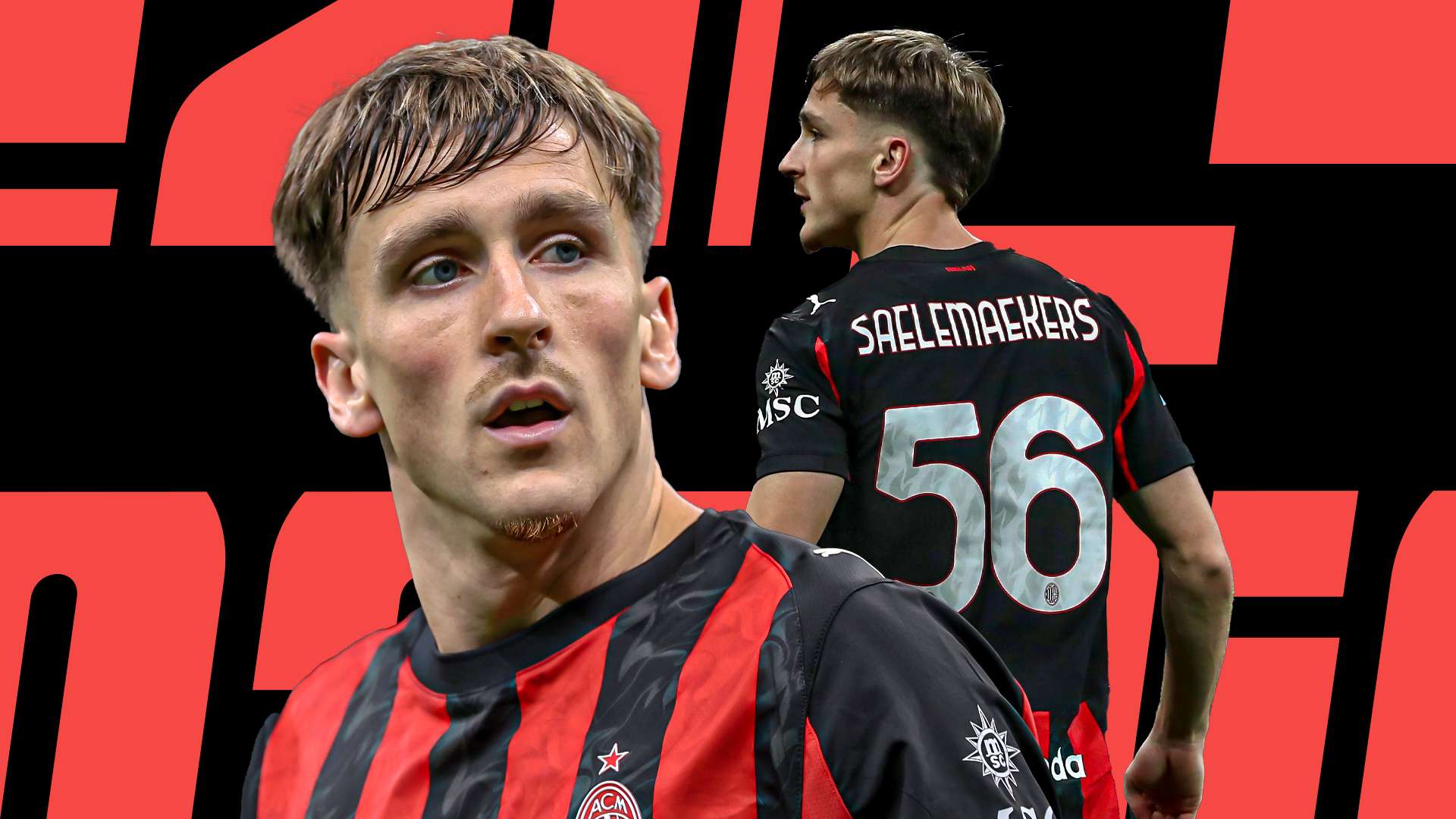

Alexis Saelemaekers Undergoes Successful Right-Ankle Surgery
Alexis Saelemaekers has undergone surgery on his right ankle after sustaining an injury during the international break, AC Milan have confirmed. The club described the procedure as a complete success, offering a measure of reassurance as the Belgian winger begins his recovery.
The setback concerns the same ankle that has caused the player problems in the past. Saelemaekers fractured a malleolus—the bony prominence on either side of the ankle—in an earlier injury and underwent surgery in Rome two years ago. According to the information released about the latest incident, the ankle had lost stability, prompting the need for another operation.
Why the Ankle Issue Matters
Ankle stability is essential for a footballer whose role depends on quick acceleration, sharp turns and changes of direction. Saelemaekers regularly operates in wide areas, where he must be able to cut inside, track back, challenge opponents and adjust his balance under pressure. Even a successful procedure may therefore be only the first step in a careful return-to-play process.
Previous surgery can also make a new problem more complex to assess. The club has not publicly provided a detailed medical explanation of the latest procedure, nor has it announced a specific recovery timetable. It would be premature to assume how long Saelemaekers will be unavailable or when he will resume full training. His progress will depend on how the ankle responds during rehabilitation and how safely he can rebuild strength and movement.
Recovery Likely to Be Managed in Stages
After ankle surgery, rehabilitation commonly advances through several stages, although the precise plan varies according to the injury and the operation performed. Initial care generally focuses on protecting the area and controlling swelling. Later work may involve restoring mobility, strengthening the muscles around the joint and improving balance. Only once those foundations are in place can a player gradually return to running, football drills and full-contact training.
For a professional athlete, passing each stage is about more than simply being able to walk or jog. Medical staff must also consider whether the player can tolerate repeated sprints, land safely after jumping, make sudden directional changes and withstand the physical demands of a match. A cautious approach can help reduce the risk of aggravating the ankle before it is ready for competitive football.
AC Milan’s confirmation that the operation was successful is positive news, but it does not by itself indicate when Saelemaekers will be available again. Clubs typically assess recovery over time, using medical examinations and training responses to guide decisions. Until Milan releases further updates, any return-date prediction should be treated as speculation rather than a confirmed forecast.
What Saelemaekers Brings to AC Milan
Saelemaekers offers Milan flexibility across the attacking and wide positions. He can provide width, press defenders and contribute to the team’s work without the ball. His energy and willingness to cover ground can be particularly useful in matches where the side needs to defend transitions as well as create chances.
His absence may lead the coaching staff to adjust their options on the flank, depending on the schedule, available players and tactical needs. A replacement might offer a different profile—perhaps more direct running, greater emphasis on crossing or a stronger defensive presence. That means the effect of the injury will not be measured solely by minutes lost; it could also influence Milan’s balance and choices from game to game.
However, one player’s absence does not automatically determine a team’s results. Squad depth, opponent quality, fixture congestion and the form of other attackers all play a part. Supporters looking for a football prediction involving Milan should therefore consider the broader team picture rather than drawing conclusions from Saelemaekers’ injury alone. The club’s confirmed medical update is important, but it is only one factor in assessing upcoming performances.
International Break Injuries and Club Impact
Injuries sustained during international breaks can create additional challenges for clubs. Players travel, train and compete in a different environment before returning to their teams, sometimes with limited time for recovery between commitments. When an injury occurs, the club must coordinate with medical staff and assess the player’s condition before deciding on treatment and rehabilitation.
That process is especially important when the affected area has a history of injury. Saelemaekers’ previous malleolus fracture and surgery provide relevant background, but they do not alone explain the cause or severity of the new instability. Only further medical information from Milan can clarify those details. For now, the confirmed facts are that the right ankle required surgery and that the club considers the procedure successful.
A Positive First Step, With More Updates to Come
Saelemaekers now faces the gradual work of recovering from the operation and rebuilding his fitness. The successful procedure gives the player and club a constructive starting point, but rehabilitation will determine the next milestones. Milan supporters will be watching for updates on his progress, particularly when he is able to begin individual training and eventually rejoin the group.
Until a clearer timeline is announced, patience is essential. A measured return could be more valuable than an accelerated comeback, especially for a player dealing with instability in an ankle that has previously required surgery. The immediate news is encouraging: Saelemaekers has undergone the operation, and AC Milan says it went well. The next priority is ensuring that his recovery is steady, complete and suited to the demands of top-level football.