
Advocacy Group Urges FIFA to Bar Gianni Infantino from Re-Election
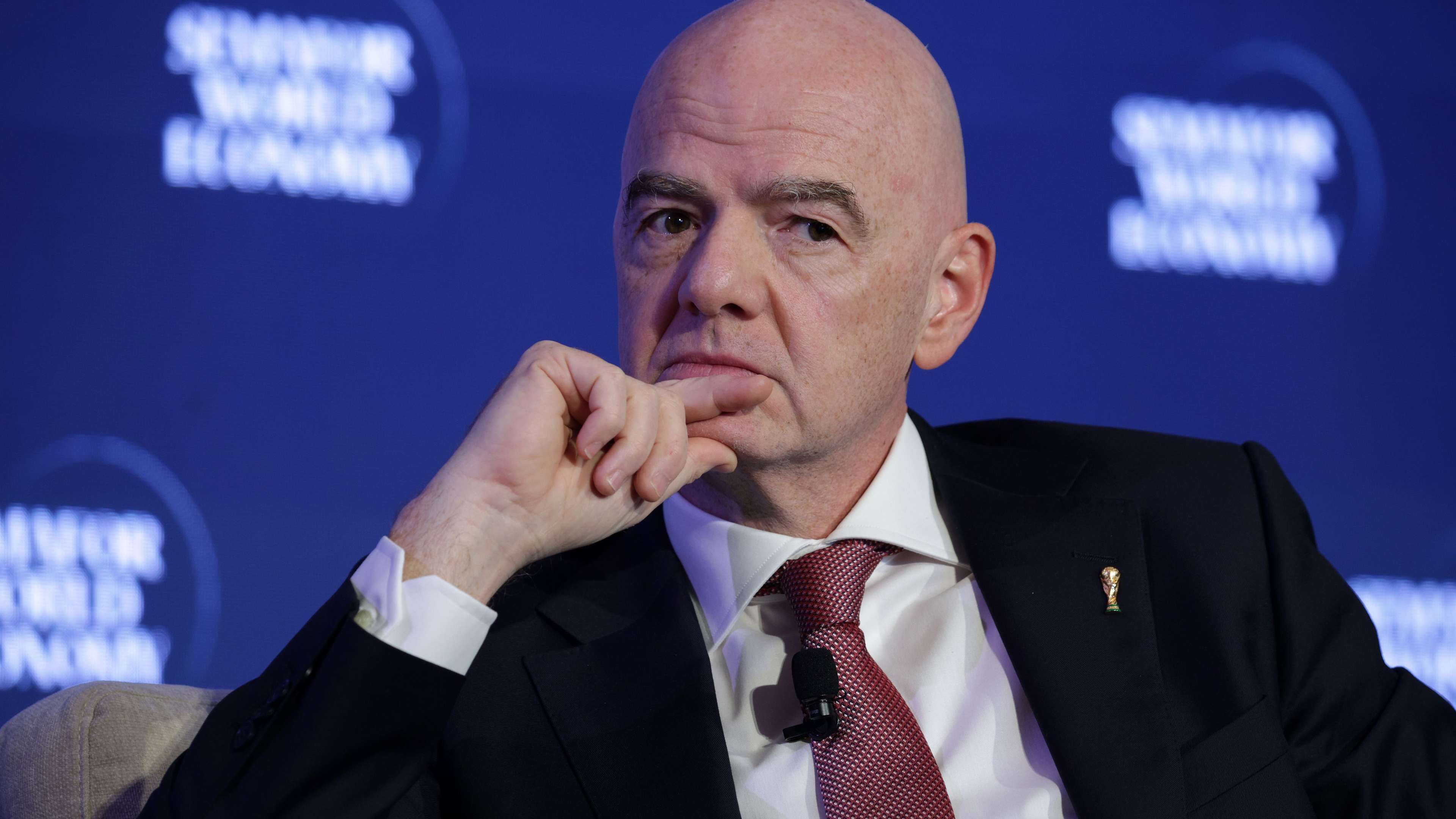
An advocacy group known as FairSquare has recently made a formal request to FIFA, urging the governing body of football to deem current president Gianni Infantino ineligible to stand for re-election in the upcoming year. The non-profit organization has cited concerns regarding the violation of FIFA statutes governing presidential term limits as the basis for their request.
Violation of Presidential Term Limits
FairSquare argues that allowing Infantino to run for a fourth term goes against the established rules outlined in FIFA statutes. The organization points out that FIFA regulations clearly state that an individual can only serve a maximum of three terms as president. Allowing Infantino to potentially run for a fourth term would directly contravene this rule, prompting FairSquare to take action to preserve the integrity and adherence to FIFA’s governing principles.
Call for Transparency and Accountability
As an advocacy group dedicated to promoting fairness and accountability within the realm of football governance, FairSquare is committed to upholding the values and regulations set forth by FIFA. By calling for transparency and adherence to established rules, FairSquare aims to ensure that the election process for FIFA president remains fair and in accordance with the organization’s own statutes.
Impact on the Future of Football
The potential re-election of Gianni Infantino for a fourth term as FIFA president raises questions about the future direction of football governance. FairSquare’s request to bar Infantino from standing for re-election highlights the importance of upholding term limits and promoting democratic principles within the organization. The outcome of this request could have far-reaching implications for the future of FIFA and the sport of football as a whole.
Response from FIFA and Infantino
So far, FIFA has not publicly responded to FairSquare’s request regarding Gianni Infantino’s eligibility for re-election. It remains to be seen how the governing body will address this issue and whether any changes will be made to the upcoming election process. As for Infantino, he has yet to make a statement regarding the request from FairSquare and the implications it may have on his potential re-election bid.
Looking Ahead
As the debate over Gianni Infantino’s eligibility for re-election continues, the spotlight remains on FIFA and its commitment to upholding its own statutes. FairSquare’s advocacy efforts serve as a reminder of the importance of transparency, accountability, and adherence to rules within the world of football governance. The ultimate decision regarding Infantino’s candidacy will undoubtedly shape the future of FIFA and the sport of football for years to come.
In conclusion, the advocacy group FairSquare has formally requested that FIFA rule president Gianni Infantino ineligible to stand for re-election next year due to concerns regarding the violation of FIFA statutes on presidential term limits. This request has sparked a discussion on the future of football governance and the importance of upholding democratic principles within FIFA. The response from FIFA and Infantino, as well as the potential impact on the upcoming election process, remains to be seen as the debate unfolds.
Challenges in FIFA Presidency
Gianni Infantino’s potential bid for a fourth term as FIFA president comes at a time when the organization is facing multiple challenges. From allegations of corruption to concerns about financial transparency, FIFA has been under scrutiny in recent years. FairSquare’s call to enforce term limits for the presidency is not only about adhering to rules but also about addressing the broader issues of governance and accountability within the organization.
Historical Context
The debate over presidential term limits in FIFA is not new. In the past, there have been instances where individuals have sought to extend their tenure beyond the established limits. These situations have often led to internal strife, legal disputes, and questions about the legitimacy of the election process. By advocating for the enforcement of term limits, FairSquare is drawing attention to a long-standing issue within FIFA’s governance structure.
Global Impact
Given FIFA’s status as the governing body of football worldwide, the outcome of the debate over Gianni Infantino’s re-election could have significant global repercussions. The decisions made within FIFA’s leadership circle can influence the development of the sport, the allocation of resources, and the overall integrity of football competitions at all levels. Therefore, the issue of presidential term limits is not just a matter of internal governance but has implications for the entire football community.
Public Perception and Trust
FairSquare’s advocacy efforts also contribute to building public trust in FIFA and its leadership. By holding officials accountable and demanding adherence to established rules, organizations like FairSquare play a crucial role in ensuring transparency and integrity in the world of football governance. Ultimately, the way FIFA handles the issue of presidential term limits will shape how the organization is perceived by fans, players, and stakeholders around the globe.
Reform and Progress
Enforcing term limits for the FIFA presidency is not just about following the rules; it is also an opportunity for the organization to demonstrate its commitment to reform and progress. By upholding democratic principles and ensuring a fair election process, FIFA can set a positive example for other sports governing bodies and inspire confidence in its ability to govern the world’s most popular sport effectively. The current debate presents a chance for FIFA to show that it is willing to evolve and adapt to meet the challenges of the modern sporting landscape.
As the discussion around Gianni Infantino’s re-election unfolds, it is clear that the issue of presidential term limits in FIFA goes beyond one individual or election cycle. It is about the fundamental principles of governance, accountability, and transparency that underpin the world of football. The decisions made in the coming months will not only impact the future leadership of FIFA but also shape the perception of the organization and the sport it represents for years to come.