
Bernardo Silva’s Sudden Absence Raises Questions at Real Madrid
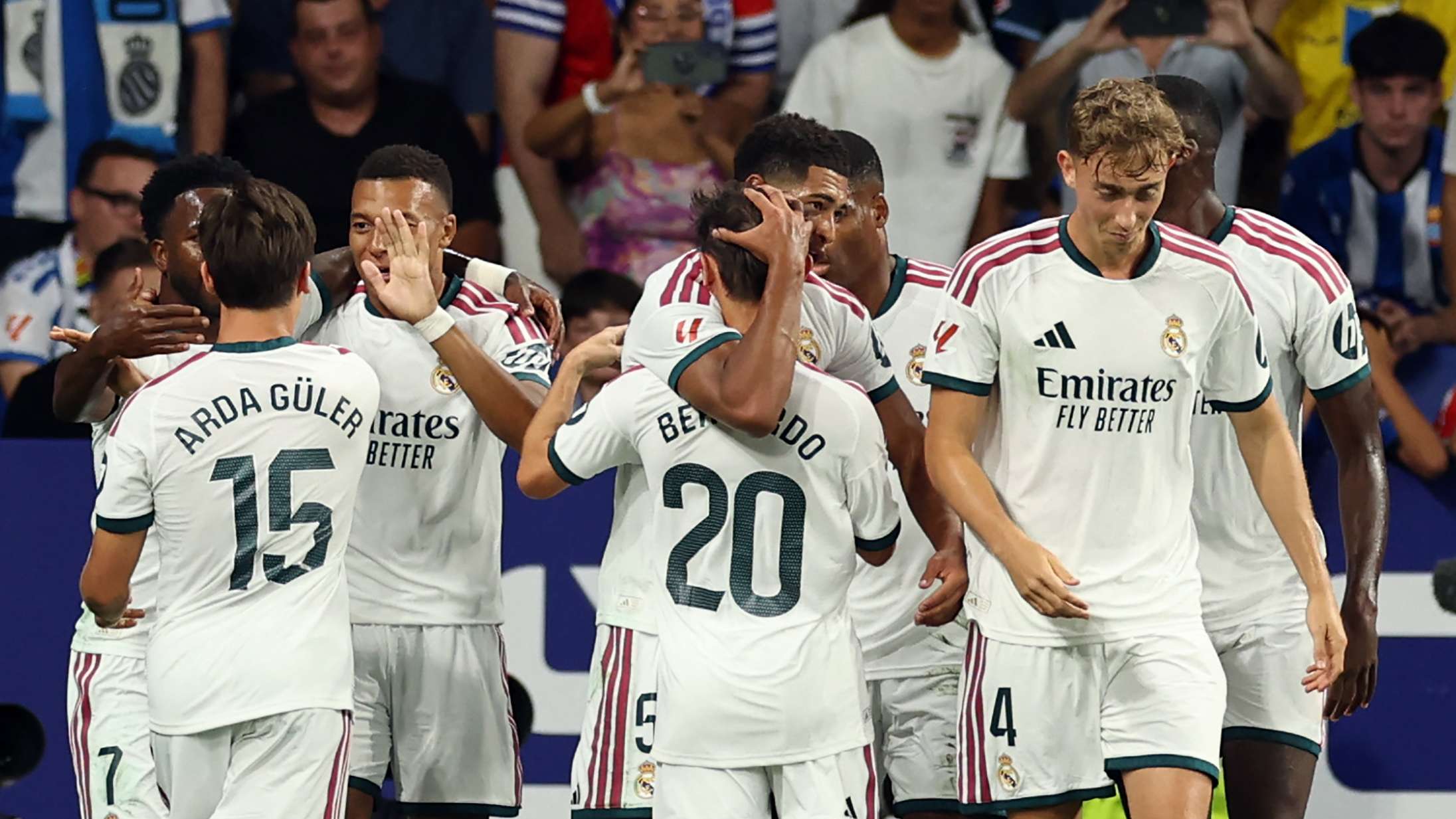
Bernardo Silva’s role at Real Madrid has changed dramatically in a matter of weeks. Since 12 September, the midfielder has played just eight minutes for his club and seven for Portugal—a strikingly small contribution given his importance at the start of the campaign.
Across seven matches involving Real Madrid and Portugal during that period, Silva has been largely absent from the action. His limited appearances have prompted questions about his status, especially because he initially appeared to be an important part of José Mourinho’s plans. Spanish newspaper Sport has described the midfielder’s disappearance from the picture as both surprising and difficult to explain.
From Key Role to the Margins
Silva began the season with a versatile assignment in Mourinho’s setup. Rather than being restricted to one fixed position, he was expected to help connect different areas of the pitch, keep possession moving and bring greater speed and fluidity to Real Madrid’s build-up. Those qualities made him a useful option in a team seeking more control and creativity in midfield.
His football intelligence has long been one of his defining strengths. Silva is comfortable receiving the ball under pressure, combining in tight spaces and adjusting his position to support teammates. A player with that skill set can help a side move the ball forward more efficiently, particularly when opponents close down central passing lanes or force play toward the touchlines.
That is why his disappearance is attracting attention. Silva’s early-season role suggested that Mourinho viewed him as more than a rotation option. His ability to operate across midfield could give Real Madrid tactical flexibility, allowing the coach to alter the team’s shape without making a substitution or sacrificing composure in possession.
Why His Contribution Mattered
Real Madrid have faced recurring questions in recent seasons about how effectively they progress the ball and maintain rhythm through the middle of the pitch. A midfielder who can link defence with attack, offer a passing option and accelerate circulation can help address those concerns. Silva appeared capable of providing precisely that kind of support.
His value is not measured only by goals or assists. Players who help a team retain possession, draw opponents out of position and make the next pass easier can influence a match without appearing prominently on the scoresheet. Silva’s movement and decision-making could also create space for attacking teammates by giving defenders another threat to track.
For a club competing across multiple competitions, that versatility can be especially useful. A demanding schedule often requires coaches to rotate their squads, manage workloads and adapt to different opponents. Silva’s experience and tactical awareness could make him a reliable option in matches where control and patient build-up are priorities.
What Could Explain the Reduced Minutes?
The available information does not establish why Silva has received so little playing time since 12 September. Without a confirmed explanation from the club or coaching staff, it would be premature to assume that the situation is caused by a falling-out, a tactical dispute or a specific fitness issue.
There are several possibilities that can affect a player’s minutes. Competition for places may have intensified, Mourinho may have preferred a different midfield balance, or the coach may have selected players whose physical profile better suited particular opponents. Training condition, recovery and the need to manage a long season can also influence selection decisions, even when a player remains part of the wider plans.
International football adds another layer to the picture. Portugal’s selection choices depend on the manager’s preferred system, available personnel and the demands of each fixture. A short appearance for the national team does not necessarily reveal the full state of a player’s club situation, but it contributes to the broader impression that Silva has slipped down the pecking order.
Real Madrid’s Midfield Balance Under Scrutiny
Silva’s absence may also reflect a wider tactical question: how does Mourinho want Real Madrid to control matches? A midfield built around physical coverage and defensive security can look different from one designed to dominate possession and create through short combinations. If the coach has shifted toward a more direct or conservative approach, the balance of minutes could change—even for technically gifted players.
However, a lack of recent game time carries its own risks. Match sharpness is difficult to maintain without regular appearances, and players generally need competitive minutes to build rhythm. If Silva remains on the sidelines, Real Madrid may have fewer opportunities to benefit from the qualities that made his early-season role appear promising.
That does not mean his situation is permanent. Football squads can change quickly as injuries, fixture congestion and tactical demands reshape selection. A strong training response or a particular matchup could give Silva a route back into the starting lineup. Equally, a run of limited involvement could make his future role a subject of increasing discussion among supporters and analysts.
What to Watch Next
The most useful indicator will be whether Silva’s minutes rise in the club’s upcoming fixtures. A gradual return would suggest that his recent absence was linked to rotation, tactical choices or short-term management. Continued exclusion, by contrast, would strengthen the case that he has fallen behind other options in Mourinho’s midfield hierarchy.
Supporters should also watch for changes in Real Madrid’s build-up play. If the team struggles to move the ball quickly through midfield, Silva’s skill set may become more relevant. His ability to link phases, maintain possession and add tempo could offer the side a different solution, particularly against opponents who defend in compact lines.
For now, the gap between Silva’s promising start and his minimal recent involvement remains the central story. The numbers—eight minutes for Real Madrid and seven for Portugal since 12 September—are stark, but they do not yet provide a complete explanation. The next team selections will help clarify whether this is a temporary pause or a significant change in his status.
Any football prediction about Silva’s prospects should therefore be cautious. His technical qualities and tactical versatility remain valuable, but regular opportunities are essential if he is to influence Real Madrid’s season. Until the club offers greater clarity, his sudden drop in playing time will remain one of the more intriguing selection questions surrounding Mourinho’s squad.