
Controversy and Concerns Surround Raphinha’s Injury Amid Catalan Fanbase and Football Prediction Uncertainty
The injury sustained by Barcelona star Raphinha during Brazil’s recent match against Australia has ignited a wave of concern and debate within Catalan football circles and among football enthusiasts worldwide. As the Catalan club closely monitors their key player’s health, the incident has also sparked a flurry of opinions on social media, football prediction analyses, and tactical implications for Barcelona’s upcoming fixtures.
Injury Sparks Catalan Outrage and Media Critique
During Brazil’s international break, Raphinha, one of Barcelona’s most influential attacking players, experienced a setback that could have significant repercussions for both club and country. Forcing his way off the pitch in the second half with a right thigh muscle injury, the forward’s exit raised immediate alarms among Barcelona fans and sports commentators. The timing couldn’t be more sensitive, as the Catalan club had been exercising caution regarding his participation during the international hiatus due to prior injury concerns.
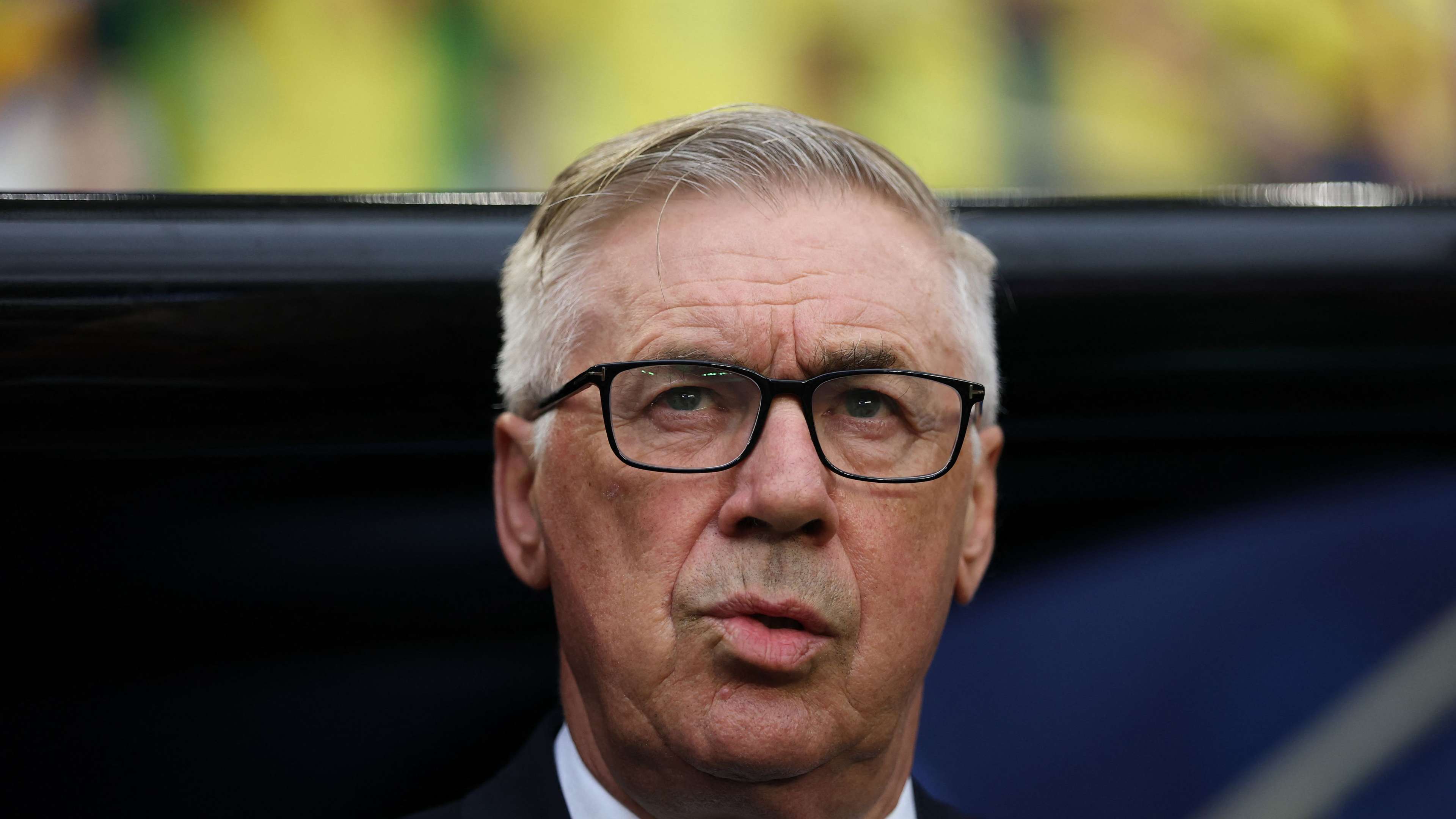
Spanish journalist Alfredo Martínez, a well-respected voice in football media and a dedicated Barcelona observer, was among the first to voice his frustration. Known for his incisive analysis on Onda Cero radio, Martínez didn’t shy away from criticizing the circumstances surrounding Raphinha’s injury. On social media platform X (formerly Twitter), he remarked, “Another big favour from Ancelotti…. It seems Raphinha was substituted due to thigh pain in Brazil’s match. Another big favour from Ancelotti… they never learn.”
This remark not only highlights the ongoing tension between Catalan and Madrid football circles but also underscores a perception that Raphinha’s injury might serve to benefit Real Madrid – Barcelona’s fiercest rival. The phrase “another big favour” is laden with sarcasm, implying that the injury, potentially inflicted or exacerbated during international duty under Carlo Ancelotti’s management, could inadvertently give Madrid an advantage in the race for domestic and European supremacy.
The Context of Raphinha’s Injury and Its Impact on Barcelona’s Prediction and Strategy
Raphinha has rapidly established himself as a crucial component of Barcelona’s attacking setup since joining the club. His ability to score goals, create chances, and operate flexibly across the front line has made him a favorite among fans and a key figure in the team’s tactical plans. His injury at this juncture raises pressing questions about Barcelona’s football prediction models and future strategies.
Prior to the international break, the Catalan club’s medical and coaching staff had been acutely aware of Raphinha’s physical condition. His previous injury history, combined with the rigorous schedule of international fixtures, had prompted Barcelona to adopt a cautious approach to his participation. Despite this, the volume of minutes he received during Brazil’s matches raised concerns, especially given his importance to the team’s offensive dynamism.
During the recent match, Raphinha managed to score a penalty for Brazil before being substituted at halftime due to his thigh pain. His absence from the field in the second half leaves Barcelona contemplating the potential ramifications for their upcoming fixtures, especially as they aim to maintain their early-season momentum in La Liga and the UEFA Champions League.
Implications for Barcelona and the Broader Football Prediction Landscape
The injury not only influences Barcelona’s immediate tactical plans but also impacts broader football prediction analyses. Predictive models, which often rely on player availability and fitness levels, now face added uncertainty. The potential absence of Raphinha could alter match outcome forecasts, especially in games where his creativity and scoring threat are anticipated to be decisive.
In the context of La Liga, where fierce rivalries and unpredictable results are the norm, the loss of a key player like Raphinha could shift the odds in favor of opponents. Football prediction experts will now need to recalibrate their models to account for his possible absence, adjusting probabilities for Barcelona’s success in upcoming fixtures against teams like Real Madrid, Atlético Madrid, and others vying for top positions.
Historical Perspective and Future Outlook
This incident adds to a growing narrative about the physical toll international duty can take on club players, especially during congested schedules. Historically, many European clubs have expressed concerns about their players’ injuries sustained during international matches, citing the potential for increased injury risk due to travel, intense match pace, and unfamiliar playing conditions.
Barcelona’s management, led by coach Hansi Flick, now faces the challenge of balancing the desire to see their star player excel on the international stage with the imperative to protect his long-term health and availability for club competitions. The club’s medical team is likely to conduct thorough assessments and determine the severity of Raphinha’s injury before making decisions about his participation in upcoming matches.
Looking ahead, the injury’s impact extends beyond immediate team strategies. It raises questions about international scheduling, player workload management, and the importance of injury prevention protocols. Football prediction platforms and betting markets will be closely watching Raphinha’s recovery timeline, as his availability could significantly influence the odds and betting predictions for Barcelona’s season and their prospects in European tournaments.
The Broader Significance for Football Fans and Analysts
For football fans and analysts, Raphinha’s injury serves as a reminder of the unpredictable nature of football prediction. While statistical models and historical data provide valuable insights, real-world incidents like injuries can dramatically shift the landscape. Fans following football prediction trends should consider the potential for such injuries when making forecasts, especially during international breaks or congested fixture periods.
Moreover, the incident fuels ongoing debates about player workload management, the efficacy of injury prevention measures, and the role of international football in player health. As football continues to evolve into a sport of tactical depth and statistical analysis, incidents like Raphinha’s injury highlight the importance of holistic player management and the need for more nuanced prediction models that incorporate injury risk factors.
Conclusion: A Critical Juncture for Barcelona and the Prediction Community
Raphinha’s injury during Brazil’s match against Australia has created ripples across the football world, especially within Catalan circles. The incident underscores the delicate balance between international duty and club commitments, raising concerns about player health, team strategy, and football prediction accuracy. As Barcelona grapples with potential roster adjustments, the football prediction community will be keenly observing the recovery timeline to refine their forecasts.
Ultimately, the event exemplifies how unpredictable football can be — where a single injury can influence not only team outcomes but also broader tactical predictions and betting markets. For fans and analysts alike, staying informed about player fitness, international schedules, and injury risks will be essential to making accurate football predictions in an ever-competitive landscape.