
Barcelona’s Strategic Planning: Preparing for the Future of Football Management
As one of Europe’s most storied football clubs, FC Barcelona remains committed to maintaining their competitive edge both on and off the pitch. While current coach Hansi Flick has enjoyed a successful tenure, the club’s hierarchy is actively strategizing for the future. With a focus on long-term stability and continuous success, Barcelona is meticulously scouting potential successors, blending modern coaching philosophies with the club’s iconic playing style. This forward-thinking approach not only underscores their ambition to stay at the pinnacle of football but also highlights their keen interest in nurturing future managerial talent.
Hansi Flick’s Impact and the Club’s Confidence
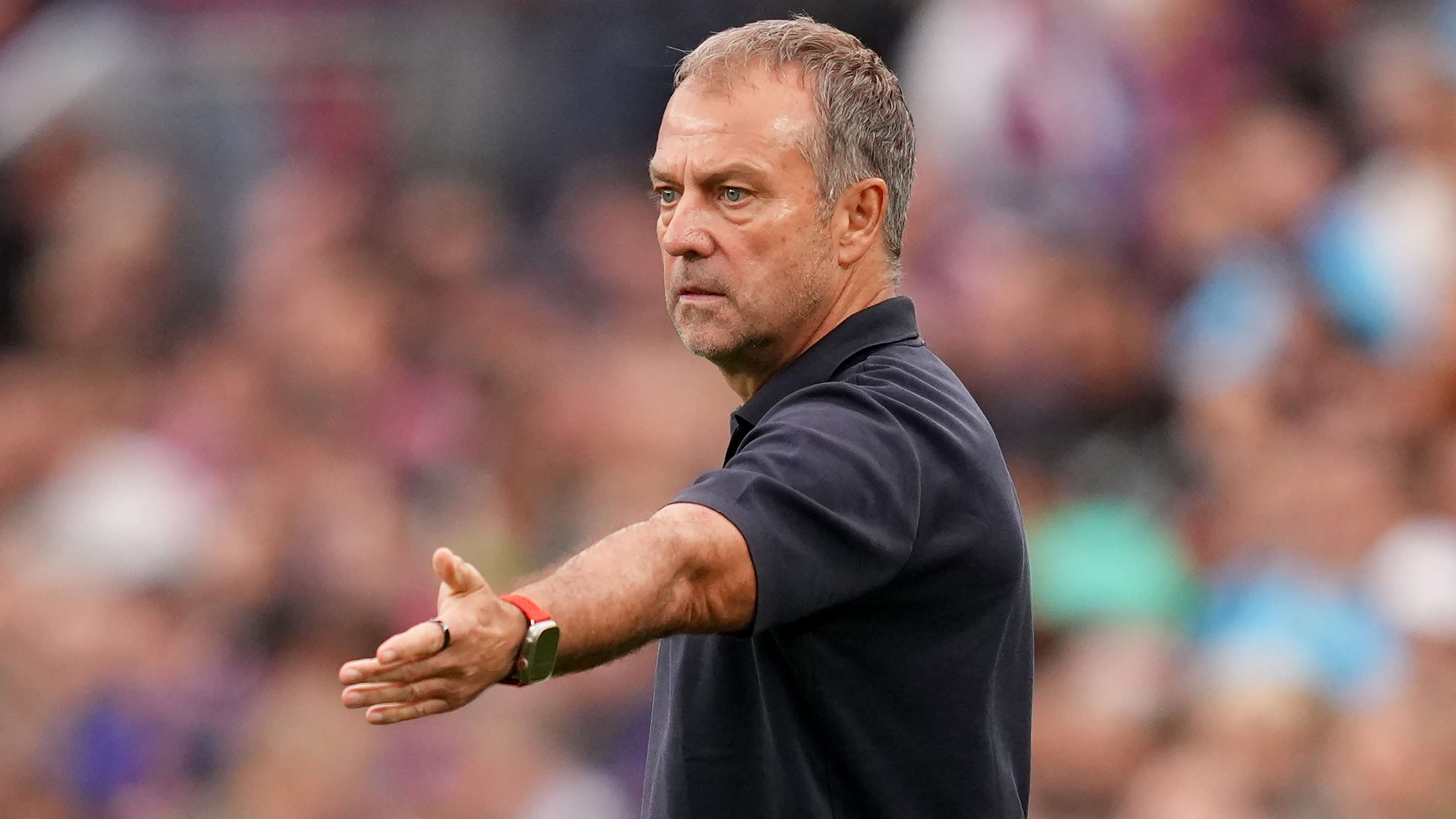
Since taking the helm, Hansi Flick has been widely praised for his transformative influence on Barcelona. The German coach arrived with a clear mission: restore Barcelona’s dominance in La Liga and re-establish their formidable presence in the UEFA Champions League. Under his guidance, the Catalan giants have clinched two La Liga titles, demonstrating his ability to deliver immediate results. Moreover, Flick has been instrumental in cultivating a team that embodies the club’s proud footballing philosophy—focused on possession, technical excellence, and attacking flair.
The Barcelona board remains thoroughly satisfied with Flick’s work, emphasizing their unwavering trust in his leadership. His contract, extending until 2028 with an option for an additional season, signals their confidence in his vision and ability to steer the team through future challenges. Importantly, there are no plans to replace Flick in the immediate future, reflecting a desire for stability as the club continues to pursue success on multiple fronts.
Looking Ahead: Barcelona’s Long-Term Vision and Coaching Philosophy
While Flick’s position remains secure, FC Barcelona’s management recognizes that football is inherently dynamic, and succession planning is essential. The club’s strategy involves identifying and nurturing coaches who can align with their unique playing style and development philosophy. A key element of this approach involves scouting talented coaches who emphasize player development, tactical intelligence, and adherence to Barcelona’s core identity—an attractive proposition for emerging managers aiming to make a mark at one of Europe’s biggest clubs.
Emergence of Cesc Fabregas as a Leading Candidate
One prominent figure currently catching the attention of Barcelona’s hierarchy is Cesc Fabregas, a former Barcelona player and current head coach of Italy’s Como. Over the past three years, Fabregas has transitioned from a celebrated midfielder to a promising coach, guiding Como from the Italian second division to the prestigious UEFA Champions League. His remarkable progress has garnered admiration across Europe’s top clubs, positioning him as a rising star in football management.
What makes Fabregas particularly appealing to Barcelona is not solely his impressive results but also his coaching style and footballing principles. His approach emphasizes technical mastery, intelligent positional play, and player development—traits that resonate deeply with the club’s philosophy. Reports indicate that under Fabregas’s guidance, Como’s squad value has skyrocketed from approximately €31 million to over €535 million, reflecting his impact on player growth and team performance.
Why Barcelona Is Interested in Cesc Fabregas
According to trusted sources like the Catalan sports newspaper “Sport,” Barcelona’s decision-makers see Fabregas as a coach who embodies the club’s DNA. His tactical acumen, ability to develop young talent, and commitment to attractive, possession-based football align perfectly with the club’s ideals. Additionally, his experience managing a team through a rapid ascent demonstrates resilience, adaptability, and strategic insight—qualities essential for leading Barcelona in the years ahead.
Another compelling factor is Fabregas’s history with Barcelona. Having been a pivotal part of the club’s midfield during his playing days, he understands the club’s culture intimately. This connection fosters a sense of identity and loyalty, making him an ideal candidate for a future managerial role—either as the successor to Flick or as part of a broader succession plan.
Strategic Moves and Signals from the Club
While Barcelona currently has no immediate plans to bring Fabregas back as head coach, recent developments suggest they are laying the groundwork for a potential future reunion. Reports reveal that a senior club figure has reached out to Fabregas, encouraging him to consider returning to Barcelona whenever he chooses to leave Como. This message underscores the high regard in which he is held and the club’s openness to welcoming home a figure they see as integral to their footballing philosophy.
This proactive approach indicates that Barcelona is not merely passively observing Fabregas’s coaching journey but actively positioning him as part of their future plans. Such moves reflect a broader vision: nurturing talented former players who can evolve into successful managers aligned with the club’s core values.
Implications for Football Prediction and Future Success
Looking ahead, football prediction enthusiasts and pundits are keenly analyzing Barcelona’s strategic planning. The club’s emphasis on developing homegrown coaching talent like Fabregas suggests a broader trend within European football—clubs prioritizing continuity, identity, and sustainable success over transient managerial changes. This approach could significantly influence predictions about Barcelona’s future performance in domestic and international competitions.
As the team continues to thrive under Flick, the club’s leadership is quietly preparing for a potential transition that could redefine their managerial landscape. The emergence of Fabregas as a credible candidate aligns with the ongoing evolution of football coaching, where former players leverage their playing experience into tactical mastery and player development expertise.
Conclusion: A Club Always Looking to the Future
FC Barcelona’s current stability under Flick does not diminish their long-term ambitions. Instead, it exemplifies a strategic, forward-looking mindset—one that balances immediate success with future readiness. By monitoring coaches like Cesc Fabregas and maintaining open channels of communication, Barcelona exemplifies a club that values continuity, identity, and the nurturing of talent—both on the pitch and in the dugout.
Whether Fabregas will eventually return as a coach remains to be seen, but one thing is clear: Barcelona’s commitment to shaping their future is as strong as ever. As they continue to dominate football prediction debates and set standards in tactical innovation, the Catalan giants are undoubtedly preparing to sustain their legacy for generations to come.