
Senegalese Football Federation in Crisis Over Former Coach’s Contract Dispute
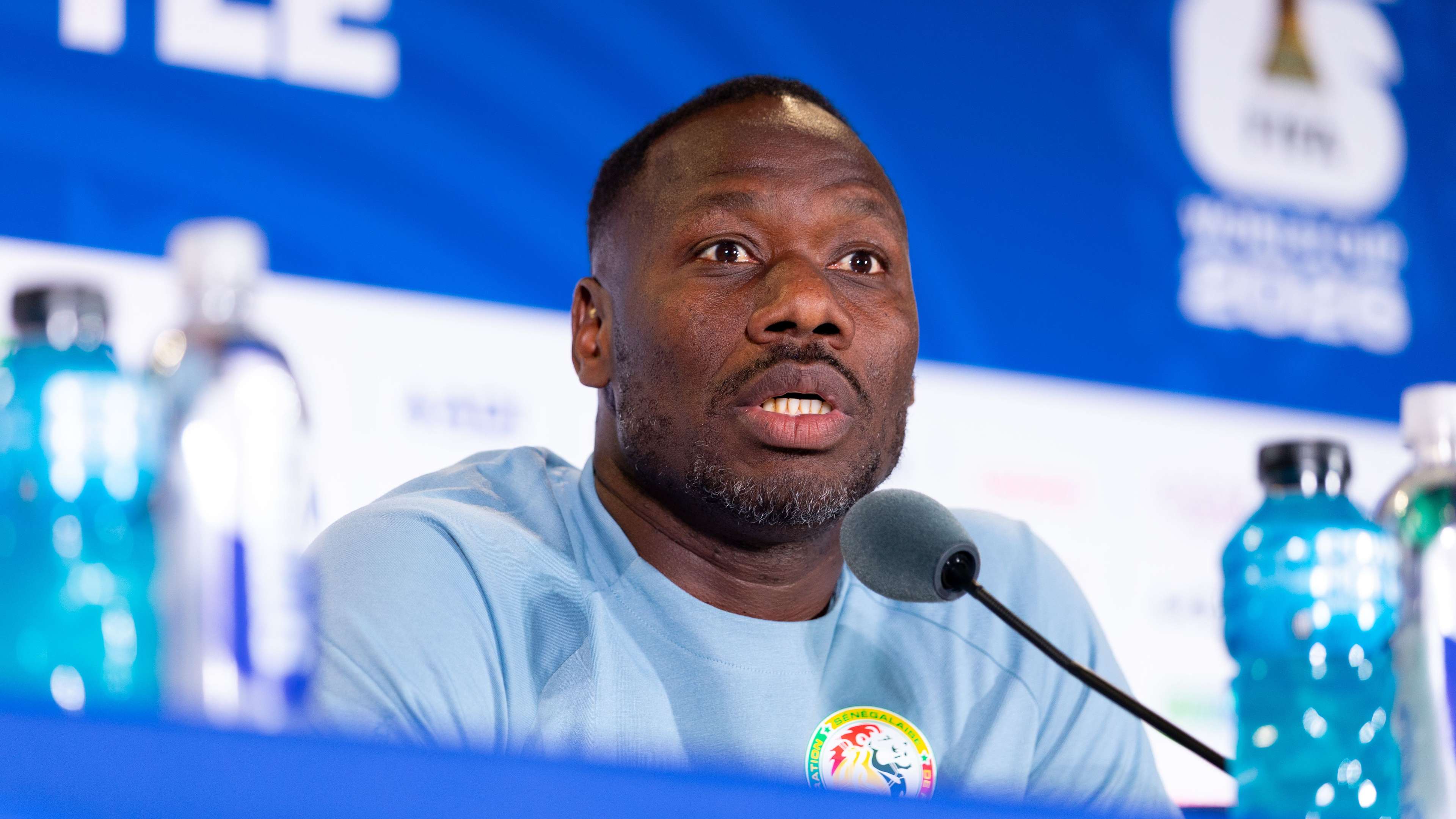
The Senegalese football community is currently embroiled in a fresh crisis following the dismissal of former national team coach Pape Thiaw. The controversy stems from a dispute between the government and the Senegalese Football Federation regarding Thiaw’s new contract, which has now escalated to the point where legal action is being considered.
Government Refusal to Approve Contract Extension
According to reports from France’s RMC network, the Ministry of Youth and Sports has informed the federation that they did not approve a three-year extension for Thiaw or the accompanying salary increase. Despite this, the contract was signed during the “Lions of Teranga” campaign at the 2026 World Cup. The government’s refusal is significant as they contribute financially to the coach’s contract, leading to a financial and legal dilemma for the federation.
Controversy Surrounding Thiaw’s Renewal
Thiaw signed the new contract just days before his dismissal on July 12th, sparking widespread controversy surrounding Senegal’s World Cup participation. Federation president Abdoulaye Fall revealed that Thiaw had threatened not to travel with the squad to the tournament unless his financial demands were met. It took the intervention of Senegalese President Bassirou Diomaye Faye to persuade Thiaw to join the delegation on their journey to the United States.
Thiaw even refused to sit on the bench before the match against Norway on June 23rd until the contract was officially signed on the eve of the game. The new deal reportedly includes a monthly salary of 30 million CFA francs, a signing bonus of 120 million CFA francs, and a percentage of the FIFA bonuses allocated to the national team. Additionally, a clause in the contract grants Thiaw compensation equivalent to eight months’ salary in case of termination.
Uncertainty Surrounding Financial Responsibilities
The current situation has left the federation in a difficult position, with the government refusing to pay the dues outlined in Thiaw’s contract. As pressure mounts on the federation to resolve the issue, there are indications that the standoff with the Ministry of Sports could result in legal action from both sides.
In conclusion, the Senegalese Football Federation is facing a challenging period as it navigates the fallout from the contract dispute with former coach Pape Thiaw. The implications of this crisis could have far-reaching consequences for the federation’s financial stability and the overall reputation of Senegalese football on the international stage.
Impact on Senegalese Football
The crisis within the Senegalese Football Federation over the contract dispute with former coach Pape Thiaw is not just a financial and legal matter; it also has significant implications for the national football team and the sport as a whole in Senegal. The instability caused by this controversy could affect the team’s performance, morale, and overall reputation in the international football community.
With Thiaw’s abrupt dismissal and the subsequent drama surrounding his contract renewal, the Senegalese national team may experience disruptions in their preparation and performance in upcoming matches and tournaments. The uncertainty and tension within the team’s coaching staff could trickle down to the players, impacting their focus and unity on the field.
Repercussions on Team Dynamics
Team dynamics are crucial in football, and any internal conflicts or controversies can disrupt the harmony and cohesion necessary for success on the pitch. The fallout from the contract dispute between Thiaw and the federation could create rifts within the team, affecting communication, trust, and teamwork among the players and coaching staff.
Furthermore, the controversy surrounding Thiaw’s contract renewal and dismissal could tarnish the image of the Senegalese national team in the eyes of fans, sponsors, and the broader football community. Negative publicity and internal strife can undermine the team’s credibility and detract from their achievements on the field.
Resolution and Moving Forward
It is essential for the Senegalese Football Federation to swiftly resolve the contract dispute with Pape Thiaw and address any underlying issues that may have contributed to the crisis. Finding a mutually acceptable solution that upholds the integrity of the federation while also respecting the rights of the former coach is paramount for restoring stability and focus within the national team.
Moving forward, the federation must prioritize transparency, accountability, and effective communication in their dealings with coaches, players, and stakeholders. By establishing clear protocols for contract negotiations, renewals, and terminations, the federation can prevent similar disputes from arising in the future and safeguard the reputation and success of Senegalese football.
Lessons Learned
The contract dispute involving Pape Thiaw serves as a cautionary tale for football federations and governing bodies worldwide. It underscores the importance of clear and fair contractual agreements, open dialogue between all parties involved, and adherence to legal and ethical standards in sports management.
By learning from this crisis and implementing reforms in their governance and decision-making processes, the Senegalese Football Federation can emerge stronger and more resilient in the face of future challenges. Ultimately, the resolution of the dispute with Pape Thiaw will be a test of the federation’s leadership, integrity, and commitment to upholding the values of fairness and professionalism in football.
As the Senegalese Football Federation navigates this period of crisis and uncertainty, the impact of their decisions and actions will reverberate throughout the national team and the broader football community in Senegal. By addressing the root causes of the dispute, fostering unity and trust within the team, and upholding the highest standards of governance and ethics, the federation can emerge from this challenging chapter with renewed strength and resilience.