
Roma Face Several Weeks Without Paulo Dybala After Muscle Injury
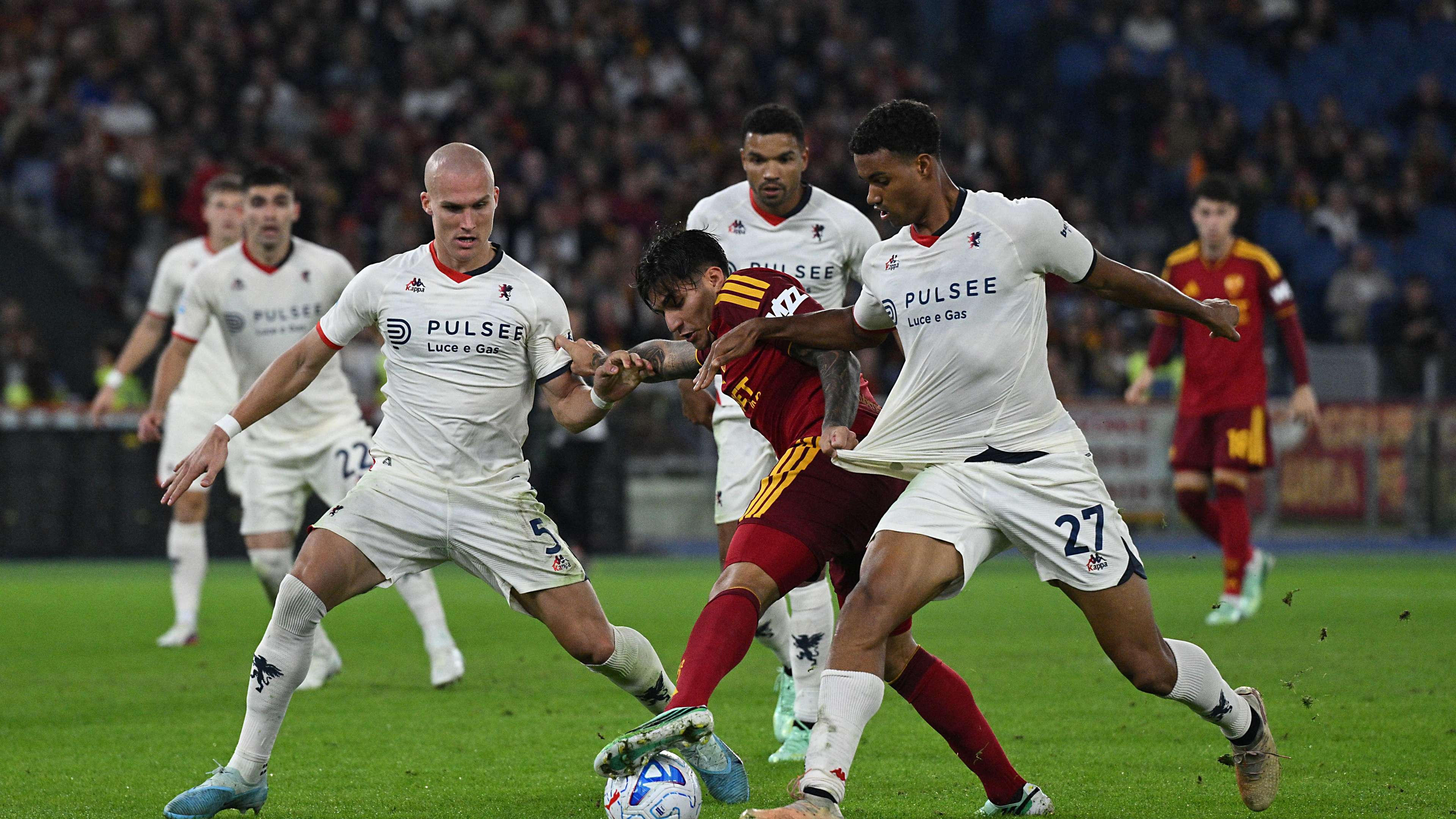
Roma have suffered a significant setback, with Paulo Dybala expected to miss several weeks after sustaining a muscle injury during the club’s Champions League clash with Real Madrid. The Argentine forward was forced off at half-time after experiencing fatigue, and subsequent medical examinations confirmed that he will need time away from the pitch.
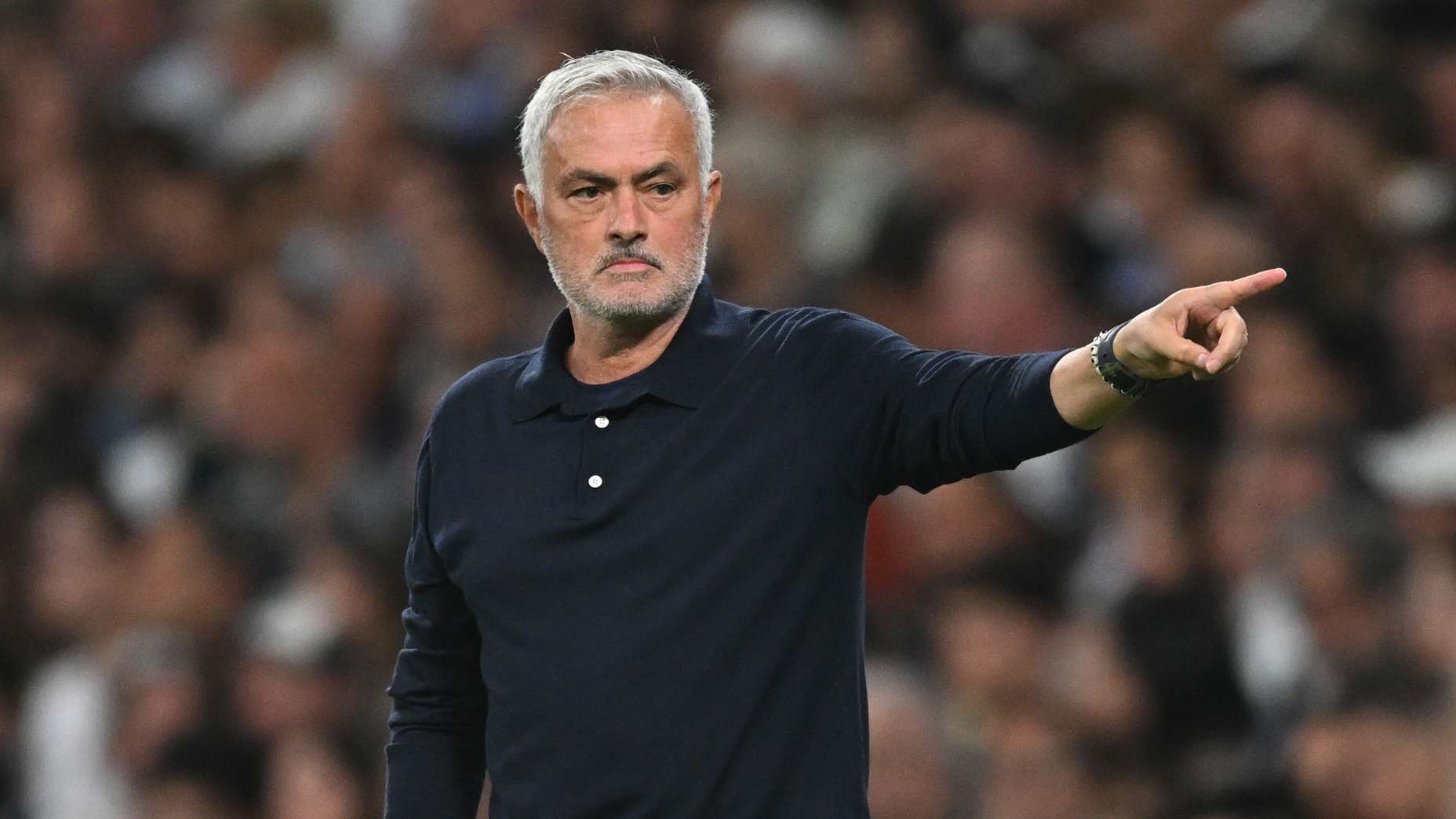
The injury presents a fresh challenge for head coach Gian Piero Gasperini, who must now reconsider his attacking options during a demanding stretch of the season. Dybala has been one of Roma’s most influential players, making his absence a concern for both the team’s immediate results and its wider ambitions in domestic and European football.
Medical Tests Confirm Dybala’s Injury
According to Calciomercato, tests carried out after the match revealed a minor muscle injury. Although the diagnosis is not considered severe, Roma are expected to manage Dybala’s recovery carefully rather than rush him back before he is ready.
Dybala first felt discomfort during the meeting with Real Madrid and was substituted at the interval. His early departure raised questions about his availability, but Gasperini initially hoped the issue would prove short-lived. The results of the medical assessment, however, indicated that the forward would require several weeks before he could return to action.
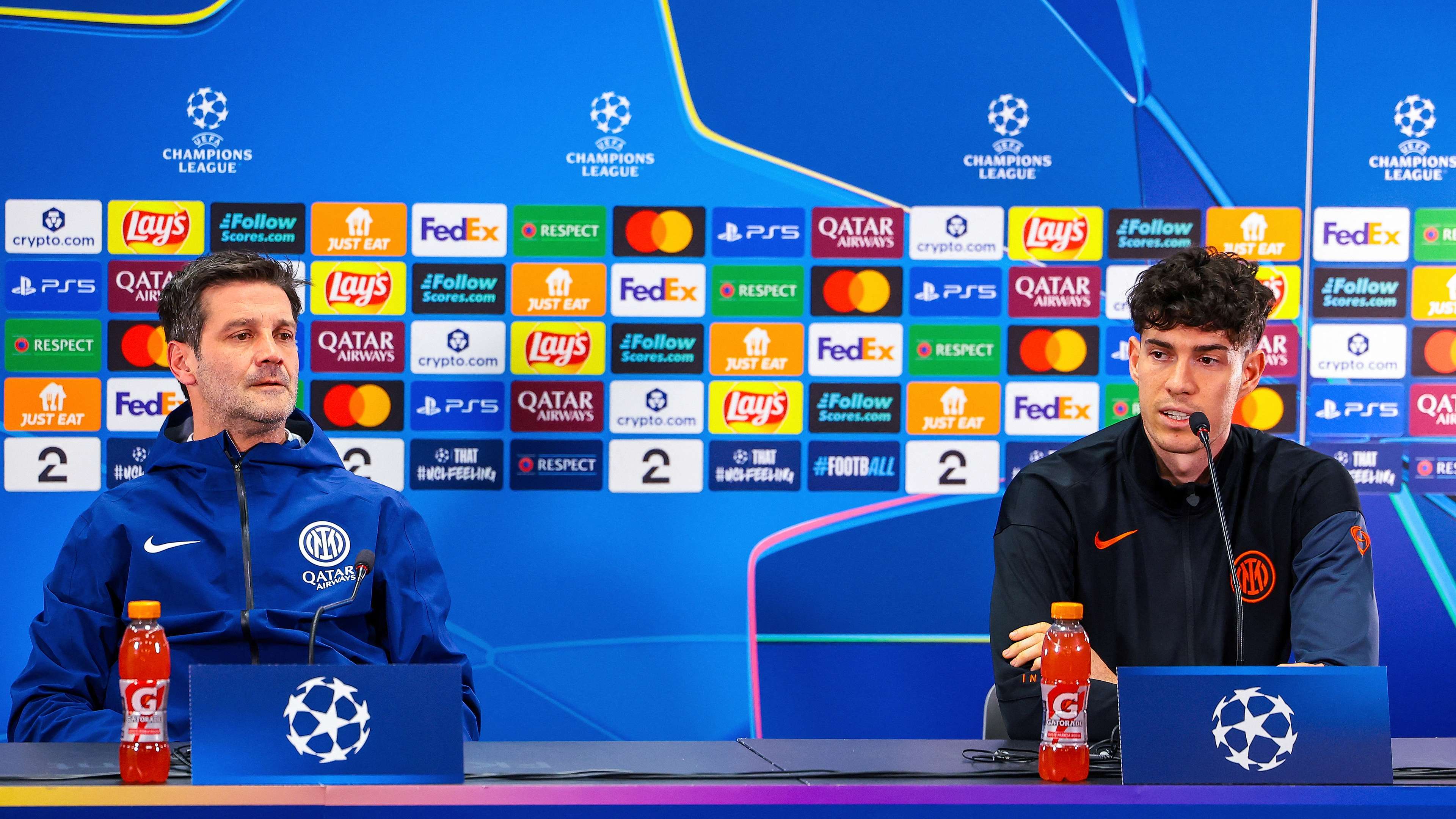
Speaking at a press conference ahead of Roma’s European fixture against Slovan Bratislava, Gasperini acknowledged that the news was disappointing. “I had hoped he would recover more quickly, but the tests carried out yesterday revealed a minor injury, and it will take a few weeks before he becomes available to play,” the Roma manager said.
The word “minor” may offer some reassurance, but a multi-week absence can still have a major impact. Muscle injuries require careful rehabilitation, particularly for a player whose game depends on quick movement, changes of direction and sharp bursts of acceleration. Roma will want Dybala to return fully fit, rather than risk aggravating the problem with an early comeback.
Why Dybala’s Absence Matters to Roma
Dybala’s value to Roma goes beyond his ability to score goals. He can create opportunities in tight spaces, link midfield with attack and provide the kind of inventive final pass that can unlock a compact defence. His technique and vision also make him a threat from set pieces, giving Roma another route to goal when open-play chances are limited.
That combination makes him difficult to replace directly. A teammate may be able to occupy the same position, but reproducing Dybala’s influence requires more than a like-for-like change. Roma may need to distribute his creative responsibilities across several players, with midfielders pushing forward and other attackers taking on a greater role in chance creation.
His absence could also affect Roma’s attacking rhythm. Dybala often helps connect possession to the final third, offering an option between the opposition’s defensive and midfield lines. Without him, Roma may have to rely more heavily on wide combinations, quick transitions or crosses into the penalty area. The best approach will depend on the opponent and the players available for each match.
Gasperini’s Options During the Recovery Period
Gasperini now faces the task of reshaping his forward line while maintaining balance across the team. One possibility is to give another attacker a more central creative role. Alternatively, Roma could adjust their formation, using a second forward or an advanced midfielder to share the workload that Dybala normally carries.
The coach may also look for greater contribution from the wings. Direct running and early deliveries could help compensate for the loss of Dybala’s close control and passing in crowded areas. At the same time, Roma will need to avoid becoming predictable. If opponents know the attack is likely to come from one flank or through one player, they can concentrate their defensive attention there.
Rotation will be another important consideration. A congested schedule can place extra strain on players asked to cover for an injured teammate, so Gasperini may need to use his squad carefully. The coming weeks could provide an opportunity for a less-established player to earn minutes and demonstrate that Roma have more than one way to create danger.
Recovery Timeline and Roma’s Upcoming Tests
Roma have not announced a precise return date, and the club’s medical staff are likely to assess Dybala’s progress throughout his rehabilitation. The phrase “a few weeks” leaves room for the timeline to change depending on how he responds to treatment and training. A gradual return to individual work, followed by team sessions, would be a typical route back, though no specific schedule has been confirmed.
For supporters following the latest Roma injury news, the main question will be whether Dybala can return before the team’s most demanding fixtures. His availability could influence the club’s approach to both league matches and European competition, where a single moment of quality can decide a close contest.
Any football prediction involving Roma over the next several weeks should account for the Argentine’s absence. The team remains capable of competing, but its attacking profile may change while he is unavailable. Roma’s ability to adapt—particularly in creating chances and converting possession into goals—will be a key factor in assessing their prospects.
A Setback, but Not a Season-Defining Blow
Dybala’s injury is undeniably a blow for Roma, especially given his importance to the side since the start of the season. However, the reported diagnosis is relatively encouraging compared with a serious long-term injury. If his recovery progresses as hoped, Roma may be without him for a limited period rather than facing an extended absence.
For now, the priority is a safe and complete recovery. Gasperini must find solutions in the short term, while the rest of the squad has an opportunity to step up. Roma’s response during Dybala’s absence will reveal how effectively the team can share the creative burden—and how well it can maintain momentum until one of its leading stars is ready to return.