
FIFA President Gianni Infantino Faces Questions Over Reported U.S. Tax Payments
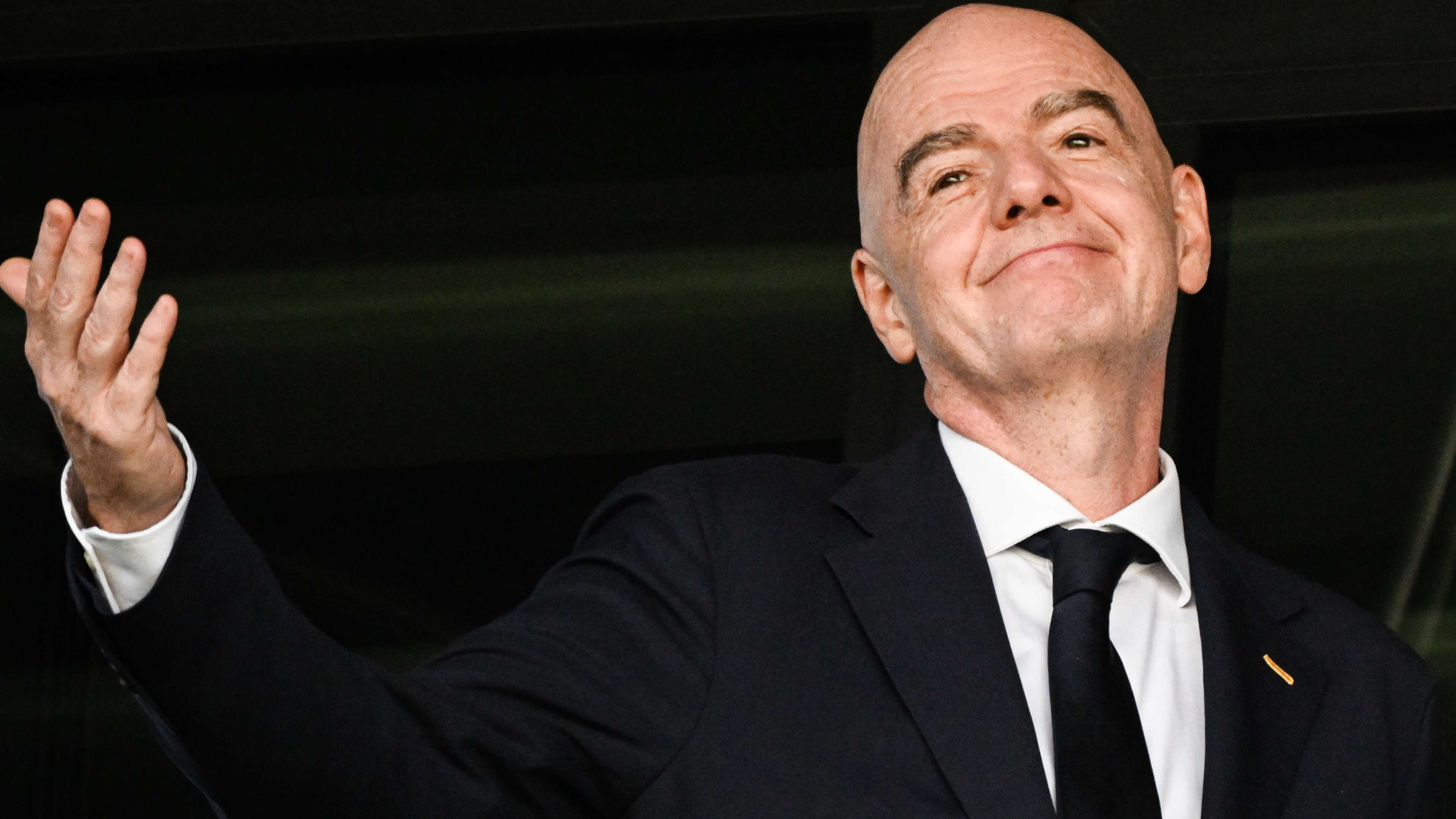
Fresh questions have emerged about the financial arrangements surrounding FIFA president Gianni Infantino, after reports said the governing body covered his U.S. tax liabilities for three years while he was based in Miami ahead of the 2026 World Cup.
According to investigations by The New York Times and Le Monde, FIFA paid an estimated $4 million in taxes on Infantino’s behalf for 2024, 2025 and 2026. The reports have prompted scrutiny of how the payments were approved, whether the arrangement followed FIFA’s own rules, and what safeguards apply to the organization’s most senior elected officials.
The issue is especially sensitive because FIFA has used a tax-equalisation system for employees who relocate to the United States to work on preparations for the tournament. The stated purpose of such a policy is to prevent staff from gaining or losing financially simply because their work requires them to move to a different tax jurisdiction. However, the newspapers reported that the mechanism was intended for employees—not elected officeholders such as the FIFA president.
How the Reported Tax Arrangement Was Approved
The reports say a small committee responsible for determining the compensation of senior FIFA officials approved the arrangement in 2024. But the decision was reportedly not included in FIFA’s official documentation, raising questions about the process and the level of transparency surrounding it.
That distinction matters. A tax-equalisation policy can be a practical tool for an international organization with staff working across borders, but its application depends on clear eligibility rules. If a benefit designed for employees is extended to an elected leader, FIFA would be expected to explain the legal and administrative basis for doing so.
The reported $4 million figure also places the matter in a broader context. The 2026 World Cup, which will be staged across the United States, Canada and Mexico, is expected to be the largest edition of the tournament yet, featuring 48 teams. Its scale requires extensive planning, international staffing and major commercial coordination. At the same time, the tournament’s global profile makes questions about FIFA’s finances and leadership decisions particularly likely to attract public attention.
Governance Committee Chair Also Draws Attention
Reporting has also focused on Bruno Chiomento, a Swiss lawyer who chairs FIFA’s independent Governance, Audit and Compliance Committee. The newspapers said Chiomento took part in raising and discussing the tax issue. They also noted that he and Infantino have been friends for around 20 years.
A personal relationship does not, by itself, establish that any rule was broken. However, when a senior governance official is involved in discussions concerning a close associate, questions about potential conflicts of interest and the appearance of independence are likely to follow. Strong governance systems typically rely on disclosure, documented deliberations and clear procedures for managing such situations.
Chiomento’s own FIFA-related benefits have also been highlighted. According to the reports, he was the only committee chair to receive a “VIP” World Cup pass, allowing him to select matches to attend. The other chairmen reportedly did not receive the same privilege.
The reports further said that Chiomento is paid an annual salary of 250,000 Swiss francs, while other committee chairmen receive their compensation in U.S. dollars. Depending on exchange-rate movements, payment in different currencies can affect the value of compensation. That does not necessarily mean the arrangement creates an improper advantage, but it adds another point FIFA may be asked to clarify.
Financial Scrutiny Comes Amid World Cup Dispute
The tax reports arrive at a difficult moment for Infantino, who is also facing the fallout from a separate commercial proposal. Last July, he put forward a plan to sell World Cup rights to private-sector investors. The proposal encountered opposition, and reports suggested that European stakeholders could consider a boycott if it proceeded.
Details of the proposal and the objections surrounding it have become part of a wider debate about how FIFA should finance and distribute the value of its flagship competition. Broadcasters, sponsors, clubs and national football associations all have interests in the tournament’s commercial model. Any major shift in how rights are sold could therefore have consequences well beyond FIFA’s headquarters.
For football fans, these discussions can seem distant from the action on the pitch. Yet decisions about governance, revenue and tournament rights help shape the competition’s future: from how much money reaches national associations to how the World Cup is presented to audiences around the world. Transparency is particularly important when FIFA is managing a tournament that involves three host nations and an expanded field of teams.
Infantino’s Fourth-Term Bid Adds Political Pressure
Infantino is expected to contest FIFA’s presidential election on 18 March in Vancouver, Canada, seeking a fourth term. He is the only declared candidate so far, according to the reports. The timing means the tax questions could become part of the conversation surrounding his leadership and the next phase of FIFA’s agenda.
An election campaign gives member associations an opportunity to assess a president’s record, including tournament expansion, commercial strategy and internal governance. The reported payments do not, on their own, determine the outcome of that political process. But they may increase calls for FIFA to explain how the arrangement was authorized and whether comparable benefits are available under published rules.
What FIFA May Need to Clarify
The central questions are straightforward: Was Infantino eligible for the tax-equalisation policy? Which body approved the payments, and under what authority? Why was the decision reportedly absent from official records? FIFA may also face requests to explain how it identifies and manages potential conflicts of interest involving senior officials.
Until the organization provides more information, the reporting remains a set of claims attributed to The New York Times and Le Monde, rather than a complete public account of the decision-making process. Clear documentation and a detailed response would help distinguish routine relocation support from an exceptional arrangement.
There is no reliable football prediction about how these developments will affect Infantino’s re-election prospects or FIFA’s commercial plans. What is clear is that the controversy has placed accountability back at the centre of the debate. As the 2026 World Cup approaches, FIFA will be judged not only by the tournament it delivers, but also by how openly it explains the decisions made in its name.