
Inter Milan Rejects Transfer Offer for Federico Dimarco, Ending Barcelona’s Swap Prediction
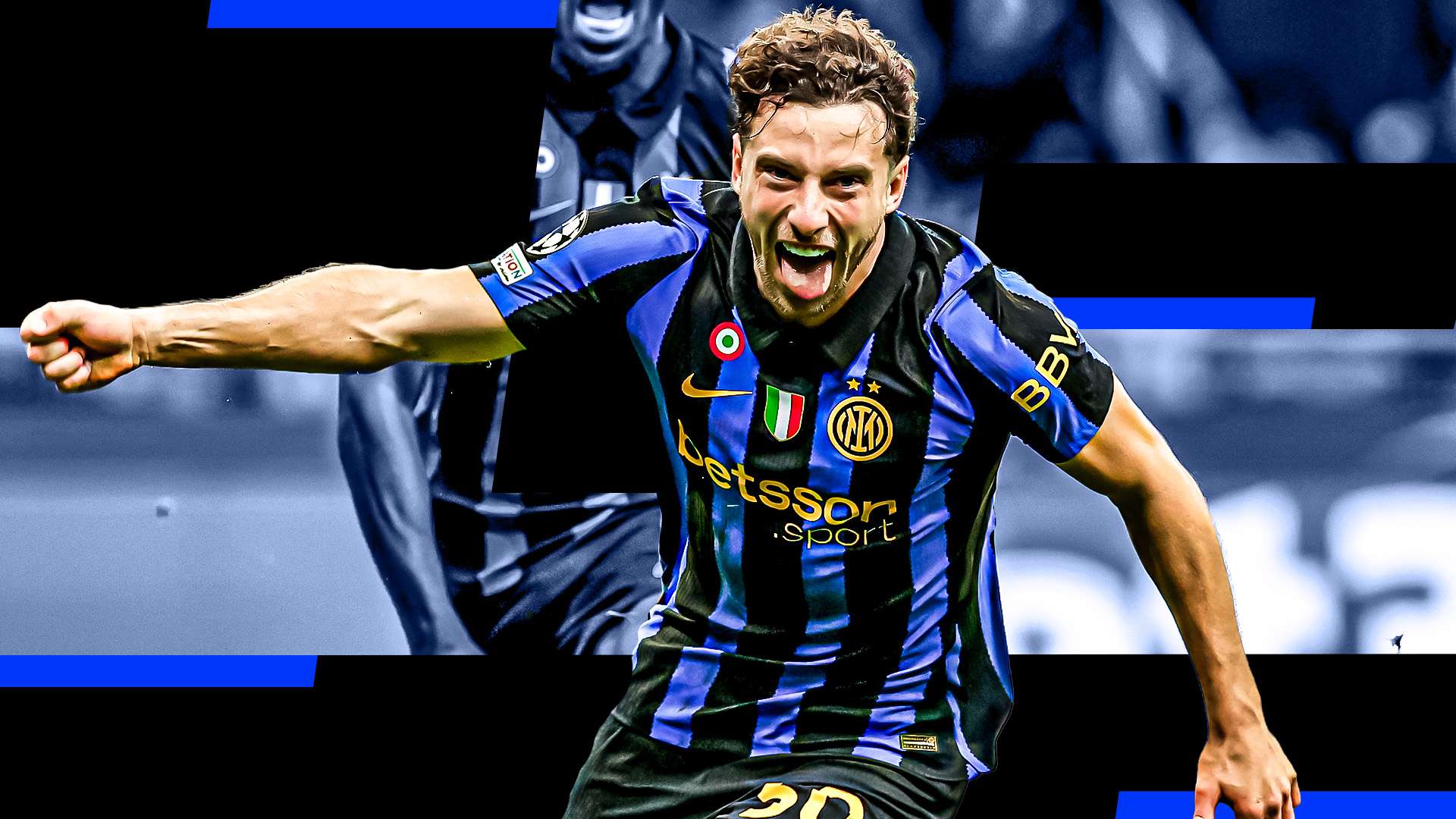
As the summer transfer window approaches its closing hours, the football world witnesses a dramatic turn in the ongoing saga surrounding Federico Dimarco’s potential move to FC Barcelona. Inter Milan’s firm stance has effectively shut the door on any possibility of selling the Italian full-back, casting uncertainty over Barcelona’s plans to bolster their left-back position. This development not only halts a high-profile swap deal involving Alejandro Balde but also highlights the strategic decisions clubs are making in the final moments of the transfer window.
Background: The Transfer Proposal and Its Significance
Speculation about a transfer involving Federico Dimarco gained momentum earlier this week, with reports suggesting that Barcelona was exploring a swap deal with Inter Milan. The Catalan giants, eager to address lingering issues in their defensive line, saw Dimarco as a promising solution. Their plan was to exchange Alejandro Balde, a young and talented Spanish left-back, in return for the Italian international. This maneuver was viewed as a strategic move to strengthen their squad while managing financial fair play constraints.
The proposal was particularly attractive given Balde’s impressive performances last season, which caught the attention of many top European clubs. Meanwhile, Dimarco’s consistent displays for Inter, combined with his versatility and tactical awareness, made him a highly sought-after asset. The potential transfer was seen as a win-win for both sides, with Barcelona aiming to secure a proven defender and Inter seeking to refresh their squad options.
Inter’s Firm Rejection: A Blow to Barcelona’s Transfer Strategy
However, Inter Milan’s club president, Giuseppe Marotta, quickly and decisively dismissed any notion of parting ways with Dimarco. In a clear and unambiguous statement, Marotta confirmed that the Italian club considers Dimarco an integral part of their future plans and that he is “not for sale.” He emphasized that there was no intention to entertain offers or allow the player to leave in the near future, effectively closing the door on the proposed swap deal just hours before the transfer window’s deadline.
This rejection underscores Inter’s commitment to retaining their key players and their confidence in Dimarco’s value to the team. It also sends a strong signal to rival clubs that the Italian giants are prepared to hold their ground, especially on a player who has become a cornerstone of their defense and attack. The decision not only halts the immediate transfer plans but also sends a clear message about Inter’s transfer policy during this critical period.
The Impact on Dimarco’s Future and Contract Extensions
Federico Dimarco’s importance to Inter Milan extends beyond his on-field contributions. The club is actively working to secure his future through contract negotiations. Currently, Dimarco’s contract runs until June 2027, but Inter is keen to extend this agreement to ensure stability and continuity in their squad. As part of this effort, Inter is also contemplating a salary increase from 4 million euros to 5 million euros per year, reflecting his rising stature and the club’s desire to reward his loyalty and performance.
Such contractual negotiations are crucial for the club’s long-term planning, especially as they aim to build a competitive squad capable of contending on multiple fronts. By solidifying Dimarco’s future, Inter not only secures their defensive mainstay but also sends a message of stability and ambition to their supporters and rivals alike.
Barcelona’s Dilemma: The Search for a Suitable Left-Back
For Barcelona, the rejection of the swap deal presents a significant challenge. The Catalan club has been grappling with their left-back situation for some time, despite recent signings like João Cancelo. The club’s management and coaching staff remain concerned about the depth and quality of their options, especially considering Balde’s potential and performance last season.
Alejandro Balde, the young Spanish international, has expressed his desire to stay at Barcelona and has been reintegrated into the squad. Although he did not feature prominently in the recent match against Athletic Bilbao, his return signifies the club’s confidence in his abilities. Balde’s performances last season, combined with his potential for growth, make him a key figure in Barcelona’s long-term plans.
Nevertheless, with the transfer window closing, Barcelona’s options are limited. The club’s management was reportedly considering alternative targets, including veteran defenders or emerging talents from other European leagues. The failure to secure Dimarco leaves a noticeable gap in their plans, forcing them to reassess their strategy for strengthening the left-back position before the deadline.
Broader Context: Transfer Predictions and the Final Hours
The transfer window’s final hours are often marked by last-minute negotiations, surprise moves, and strategic concessions. This year was no different, as clubs around Europe scrambled to finalize their squads. The prediction that Barcelona would pull off a major transfer involving Dimarco has now been dashed, leaving fans and analysts to speculate about alternative solutions.
For Inter Milan, the prediction was clear: they would hold firm on their key players, especially those like Dimarco who are integral to their tactical setup. The club’s stance reflects a broader trend in the transfer market, where clubs are increasingly reluctant to part with their top talents unless the terms are favorable. The rejection of the swap deal exemplifies this approach, emphasizing player valuation, squad stability, and strategic planning over short-term financial gains.
What’s Next? Implications for Both Clubs and the Transfer Market
As the transfer window closes, the immediate implication is a shift in Barcelona’s recruitment strategy. The club will need to explore alternative options, perhaps looking for seasoned veterans or promising young talents to fill the left-back role. Meanwhile, Inter Milan’s decision to retain Dimarco ensures their defensive line remains intact and stable for the upcoming season.
Furthermore, this development underscores the importance of prediction accuracy in transfer markets. While rumors and speculation often dominate headlines, the reality is that club decisions—especially those involving strategic assets—are heavily influenced by club management, financial considerations, and long-term vision. The prediction of a swap between Dimarco and Balde now stands as a reminder that in football, plans can change swiftly, especially in the final hours of a transfer window.
Conclusion: A Transfer Window to Remember
The rejection of Federico Dimarco’s transfer to Barcelona marks a significant moment in this summer’s transfer saga. It highlights the strategic priorities of Inter Milan and the challenges faced by Barcelona in addressing their squad needs. With the window closing soon, both clubs are recalibrating their plans, and fans are left to watch whether alternative moves will materialize or if the current squad will remain unchanged.
As transfer predictions continue to shape narratives across Europe, this episode serves as a testament to the unpredictable, high-stakes nature of football’s transfer market. Clubs are increasingly making definitive statements about their intentions, reminding us that in football, plans are often subject to last-minute changes, and the transfer prediction landscape is as dynamic as the game itself.