
Zamalek Sends Get-Well Message to Former Al Ahly President Mahmoud Taher Ahead of Cairo Derby
Hours before one of Egyptian football’s most anticipated fixtures, Zamalek set aside the rivalry and sent a message of support to Mahmoud Taher, the former president of Al Ahly, following reports that he had suffered a health setback.
The White Knights’ board, led by Hussein Labib, issued an official statement on Sunday wishing Taher a swift and complete recovery. The club also prayed for his continued health and well-being, offering a respectful gesture at a tense moment in the Egyptian Premier League calendar.
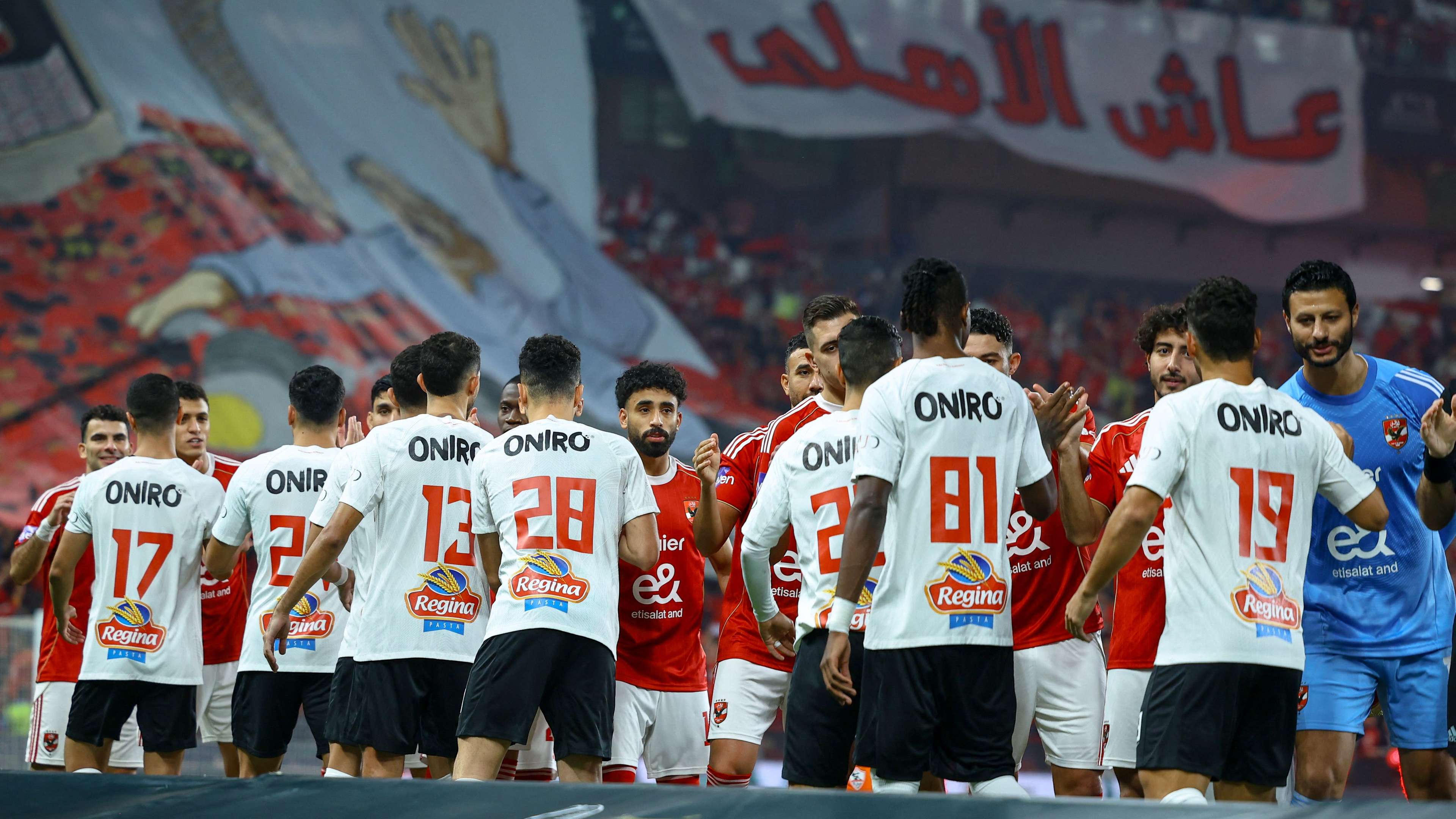
The message arrived shortly before Zamalek and Al Ahly were due to meet at Cairo International Stadium in the sixth round of the competition. Although the Cairo derby is usually defined by fierce competition, the statement highlighted how concern for an individual can take priority over the battle for points.
A Show of Respect Before a High-Stakes Football Match
Mahmoud Taher led Al Ahly from March 2014 until December 2017, a period in which he served as one of the most prominent figures in the club’s administration. His health news prompted a response from both sides of Egypt’s biggest football rivalry.
Al Ahly’s board, headed by Mahmoud El Khatib, had published its own message of support on Saturday, expressing solidarity with the former president. Zamalek’s statement followed a day later, extending the well-wishes across the divide between the two historic clubs.
Such gestures carry particular meaning in Egyptian football, where Al Ahly and Zamalek are more than sporting opponents. Their rivalry is closely followed across the country and throughout the region, with every derby bringing intense debate, expectation and emotion. A public expression of goodwill before kickoff offered a reminder that respect can exist alongside fierce competition.
Derby Stakes: Both Teams Chasing Pyramids
The timing of the announcement added another layer to an already compelling fixture. Al Ahly and Zamalek entered the sixth-round meeting level on 13 points, with both clubs looking to strengthen their position near the top of the Egyptian Premier League standings. Pyramids held the lead, leaving the Cairo rivals with little room to waste points if they hoped to keep pace.
That shared points total made the match important for more than bragging rights. A win could provide a valuable lift in the title race, while a defeat might leave the losing side with ground to recover. Even a draw could be costly if Pyramids continued to collect results.
As a result, the fixture presented a difficult test for both teams: manage the pressure of a major derby while also treating it as a crucial league match. Coaches and players must balance emotion with discipline, because moments of impatience, defensive mistakes or missed chances can have consequences well beyond one evening.
Why the Cairo Derby Matters Beyond the Score
Al Ahly and Zamalek have built one of Africa’s most recognisable club rivalries. Their meetings attract attention from supporters, analysts and football audiences far beyond Egypt, and the result often shapes the conversation around the league for days afterward. The derby is also a test of composure, as players face a charged atmosphere and the pressure of representing two deeply supported institutions.
In that context, the clubs’ messages to Taher stood out. They did not change the competitive stakes, but they placed the match within a broader human setting. Before the teams took to the pitch, both organisations had acknowledged a former administrator’s health concerns and wished him well.
What Could Shape the Match Prediction?
Any football prediction for an Al Ahly-Zamalek derby should account for more than league position. The teams’ equal points total suggested a closely balanced contest, but derby form can be difficult to forecast. Recent performances, player availability, tactical choices and the ability to handle pressure can all prove decisive.
Al Ahly and Zamalek were also playing with the knowledge that Pyramids had set the pace at the top. That can encourage a more ambitious approach, particularly for the side seeking to avoid falling further behind. At the same time, the fear of giving a direct rival an advantage may lead to a cautious opening, with both teams prioritising defensive organisation before taking greater risks.
Set pieces, transitions and individual quality are often important in matches of this intensity. A well-timed counterattack or a moment of skill can break a tight game open, while concentration at the back may matter just as much as attacking ambition. For supporters looking for a prediction, the safest expectation was a competitive, high-pressure encounter in which small details could decide the outcome.
Support for Percy Tau Also Draws Fan Debate
Alongside the derby build-up, supporters were invited to consider what South African forward Percy Tau should do next. The options included staying with Al Ahly, returning to the Premier Soccer League, moving back to European football or reuniting with coach Pitso Mosimane in Saudi Arabia.
The poll reflected the broader uncertainty that often surrounds a player’s future: remain at a major club and continue competing for honours, or seek a new environment that offers a different role and fresh challenges. A return to South Africa could bring familiarity and prominence, while a move to Europe or Saudi Arabia might present new sporting and financial opportunities. Any decision, however, would depend on the player’s ambitions, playing time and the offers available.
For the moment, the immediate focus remained on the Cairo derby and the title implications attached to it. Yet Zamalek’s message to Mahmoud Taher added a notable human moment to the build-up, showing that even in a rivalry shaped by intense competition, concern and respect can cross club lines.