
Uli Hoeneß Blasts International Schedule After Bayern Munich Drop Points
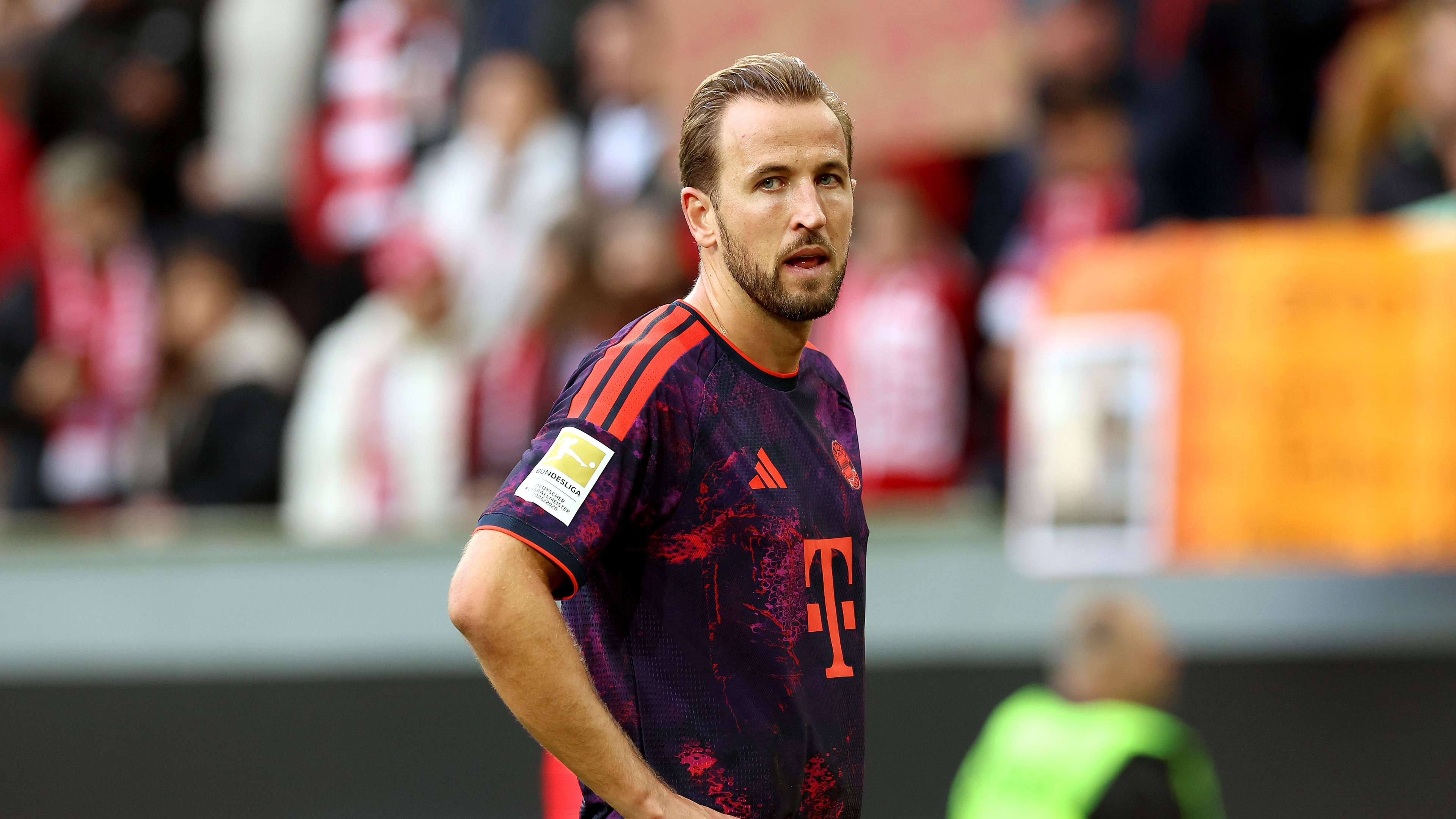
Bayern Munich honorary president Uli Hoeneß has criticised the international football calendar after the German champions returned from a lengthy break with a disappointing 2-2 draw against FC Augsburg. The result cost Bayern an opportunity to move above Borussia Dortmund in the Bundesliga standings, and Hoeneß argued that the timing of the pause disrupted the team’s momentum.
Speaking to Bild, Hoeneß called a two-week international break so early in the domestic season “a catastrophe.” Bayern had played only four weeks of Bundesliga football before the competition paused, with 18 players travelling to represent their national teams. In his view, that upheaval made it difficult for the squad to maintain its rhythm and prepare collectively.
A frustrating return to Bundesliga action
Bayern’s draw at Augsburg offered a sharp reminder of how quickly the league picture can change. The visitors were unable to secure all three points, settling for a 2-2 result after trailing 1-0 at half-time. With Borussia Dortmund ahead of them, the dropped points meant Bayern missed a chance to take over the top spot.
One match does not determine a title race, but the timing added to the frustration. After a long interruption, clubs must quickly bring international players back into the group, manage fatigue and re-establish their tactical patterns. For a team with ambitions of winning the Bundesliga, even a short loss of cohesion can matter—particularly when rivals continue to collect points.
Hoeneß’s comments reflect a familiar tension in modern football: clubs depend on their players being available for domestic and European competitions, while national teams also need regular access to those same players. When a large portion of a squad leaves at once, the club’s training plans can be disrupted even if every player returns without injury.
Hoeneß questions the value of the Nations League break
The pause was linked to the international calendar and the Nations League, a competition Hoeneß dismissed as a “silly competition.” He argued that the schedule places too much strain on club football and said clubs must “finally assert themselves,” pointing out that they pay the players rather than the national teams.
His criticism is aimed not only at the number of matches, but also at how the calendar is arranged. A break arriving just weeks into a league season can interrupt the early build-up of form. Players may travel long distances, switch between different tactical systems and return with limited time before club matches resume. The risks are not limited to tiredness: coaches also have fewer opportunities to work with their full squads and address problems exposed in recent games.
There is, however, an important distinction over who controls the international calendar. Although Hoeneß directed his criticism at UEFA and its support for the Nations League, the overall international match schedule is the responsibility of FIFA. UEFA organises the Nations League, but the wider calendar that allocates windows for national-team football is set at the global level. That division of responsibility complicates calls for a straightforward fix.
World Cup workload remains part of the debate
Hoeneß also described Bayern as “the big losers” of the extended World Cup, arguing that the tournament left the club with too little time to prepare. His concern speaks to a broader issue facing elite teams: major international tournaments can compress preparation periods, alter players’ rest schedules and create uneven conditions between clubs whose players have different workloads.
For Bayern, the challenge is especially relevant because a significant number of first-team players regularly feature for their countries. Their international commitments bring experience and prestige, but they also make squad management more complicated. Coaches must balance the need to keep key players sharp with the importance of giving them sufficient recovery time across a crowded season.
That does not mean international football lacks value. National-team competitions provide meaningful fixtures for supporters and players, while the Nations League was designed to offer more competitive matches than many traditional friendlies. The disagreement is over whether those benefits justify the disruption to club schedules—and whether the current calendar gives players enough time to recover.
Bayern leadership voices differ on the calendar
Hoeneß’s sharp remarks contrast with the more positive assessment previously offered by Bayern chief executive Jan-Christian Dreesen. Speaking to Sky in September, Dreesen said the new calendar was “better for club football” and represented the right direction for everyone involved.
The difference highlights that there is no single view within Bayern on how the schedule should evolve. Hoeneß is focused on the immediate sporting cost of losing players and momentum during the domestic campaign. Dreesen’s position suggests a broader confidence in the structure of the calendar, even as clubs continue to face a demanding programme.
For supporters, the practical question is whether Bayern can quickly recover their rhythm and turn the Augsburg draw into a brief setback rather than a defining moment. A strong response in the next Bundesliga fixtures would ease concerns about the team’s position, while further dropped points could intensify scrutiny of both performance and scheduling.
What the result means for the Bundesliga prediction
The 2-2 draw does not settle the title race, but it adds uncertainty to any early Bundesliga prediction. Bayern remain a powerful contender, yet their position depends on consistency, squad fitness and how well they handle the congested calendar. Dortmund’s place above them gives the rivals an immediate advantage, though there is a long season ahead and plenty of time for the standings to change.
Hoeneß’s outburst is therefore about more than one result. It is a call for clubs to have a stronger voice in decisions that affect player availability and preparation. As football’s calendar continues to expand, the challenge for governing bodies will be finding a balance between international competitions and the demands of domestic leagues. Until that balance improves, arguments over breaks, travel and recovery are likely to remain part of the game—and a factor in every season’s title prediction.