
A Historic Triumph: How Georgios Donis Led Saudi Arabia to a Landmark Football Victory
In the world of football, stories of redemption and historic victory often capture the imagination of fans and analysts alike. One such story has unfolded recently, echoing the philosophical tales of the ancient Greeks who transitioned humanity from superstition to rational thought. Today, we witness a modern parallel—an extraordinary transformation led by Greek football tactician Georgios Donis, who has revolutionized the Saudi national team and steered it toward a long-awaited triumph.
The Curse of the Final and the Quest for Glory
For over two decades, Saudi Arabia’s national football team grappled with a haunting curse—a series of near-misses, heartbreaks, and elusive titles that kept the nation’s football hopes in limbo. Despite possessing talented players and a passionate fanbase, the team struggled to clinch major titles, particularly in high-stakes finals. This ongoing struggle was often seen as a psychological barrier, a mental block that prevented the team from translating their talent into tangible success on the biggest stage.
Enter Georgios Donis, a Greek engineer of football—known for his tactical acumen, resilience, and ability to instill confidence within his squad. His approach was not merely about tactics; it was about rewriting the team’s mental narrative, fostering a culture of calmness under pressure, and building a flexible game plan capable of adapting to different opponents and scenarios. Donis’s leadership marked the beginning of a silent revolution within the Falcons’ ranks, transforming a team long plagued by inconsistency into a cohesive, formidable force.
Rebuilding the Saudi House: The Greek Influence
Donis’s arrival in Saudi Arabia was met with cautious optimism. Critics wondered whether the Greek coach could indeed reverse years of disappointment. What followed was an impressive display of strategic innovation and psychological resilience. Donis emphasized tactical flexibility—an approach that allowed the team to switch formations seamlessly and exploit opponents’ weaknesses effectively. He also prioritized mental toughness, instilling confidence that the team could handle the pressure of finals and decisive matches.
The Greek coach’s vision was clear: to restore pride, instill discipline, and build a team that could manage matches with a calm, calculated demeanor. His methods yielded immediate results. Under his guidance, the team began to show signs of transformation, demonstrating resilience, strategic discipline, and an unwavering belief in their collective ability to succeed.
The Road to the Gulf 27 Final: Overcoming the Odds
The journey to the Gulf 27 final was anything but straightforward. Facing formidable opponents, the Saudi team had to overcome tough challenges, both tactically and psychologically. Donis’s tactical flexibility became evident as the team adapted to different opponents, employing strategic formations and dynamic gameplay to outmaneuver rivals. Their resilience was tested time and again, but the team’s mental strength proved decisive.
In the semi-finals, the team showcased their newfound confidence and tactical discipline, setting the stage for a final that promised to be historic. The culmination of Donis’s project was not just about winning a trophy but about breaking a 23-year curse that had haunted Saudi football. The psychological barrier had finally been shattered, and the team was ready to claim their rightful place in history.
The Gulf 27 Final: A Historic Victory Against the UAE
The final match was a demonstration of Saudi Arabia’s tactical evolution and mental fortitude. Facing the United Arab Emirates, a team known for their resilience and technical skill, the Saudis entered the pitch with confidence and a clear game plan. The match unfolded with intensity, tactical discipline, and strategic patience.
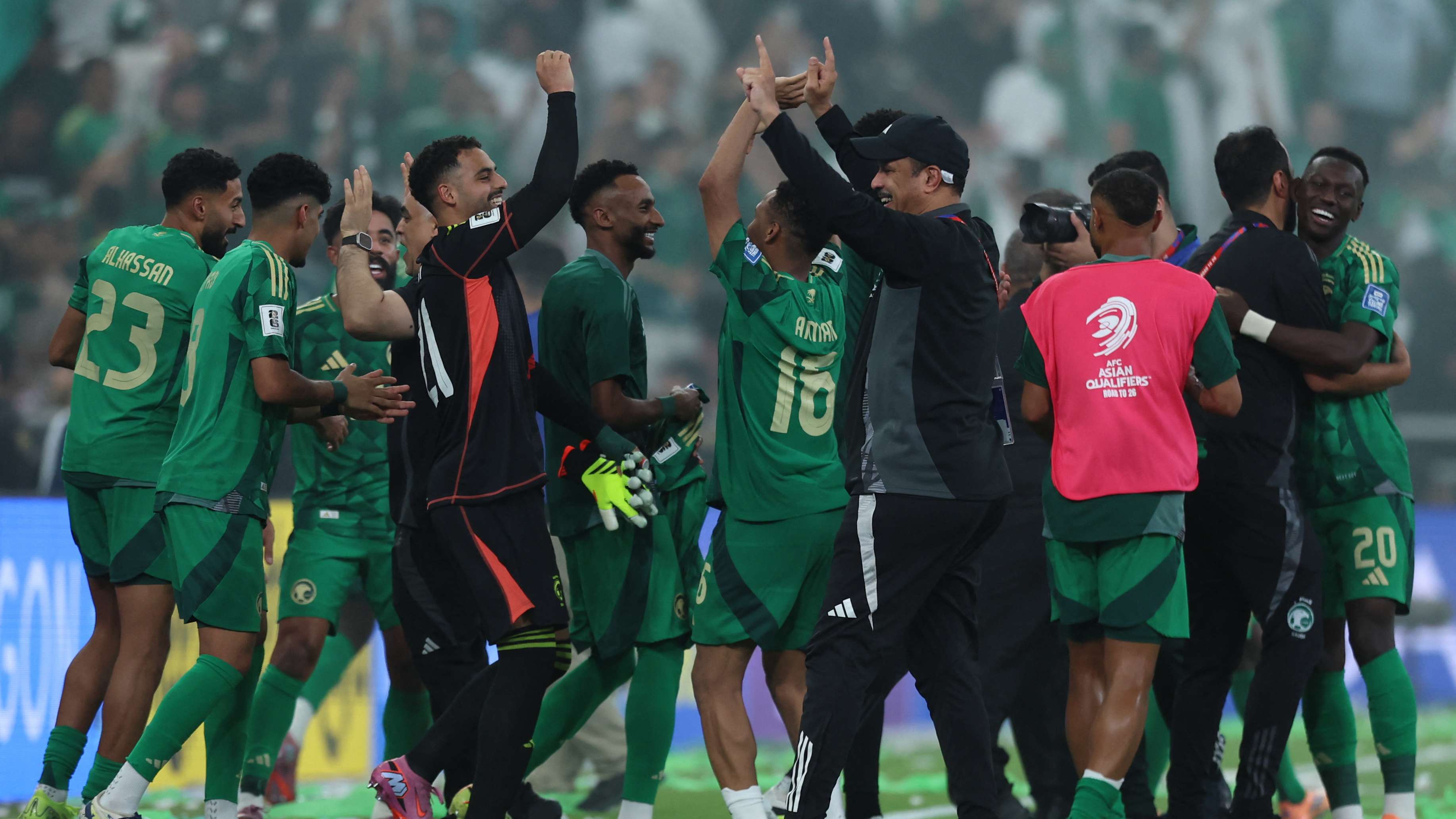
Ultimately, Saudi Arabia secured a convincing 2-0 victory, clinching the Gulf 27 title and ending their decades-long drought of major trophies. This triumph was more than just a victory; it was a statement of renewed national pride and the successful culmination of Donis’s vision. The team’s ability to manage the game calmly, especially in the final stages, was a testament to the mental and tactical overhaul orchestrated by the Greek coach.
Implications for Football Prediction and Future Outlook
This historic win has significant implications for football prediction models and tactical analysis. It underscores the importance of mental resilience, tactical flexibility, and strategic discipline—factors that often influence the outcome of high-stakes matches more than raw talent alone. For football enthusiasts and analysts, the Saudi team’s transformation under Donis offers valuable insights into how coaching philosophies can alter the trajectory of a national team.
The victory also signals a new era for Saudi football, which now has a blueprint for sustained success. With a foundation built on tactical innovation and psychological strength, the team is poised to make an impact in upcoming regional and international tournaments. Football prediction models will likely incorporate these factors more prominently, recognizing that the mental aspect of the game is as crucial as technical skill.
A New Chapter in Saudi Football History
As the dust settles on this historic triumph, the narrative of Saudi football has been rewritten. The victory at Gulf 27 is a testament to what effective coaching, mental resilience, and tactical adaptability can achieve. Georgios Donis’s journey from an outsider to a national hero exemplifies how strategic leadership can break long-standing curses and transform a team’s destiny.
This victory is more than a mere trophy—it is a symbol of hope, perseverance, and the transformative power of visionary coaching. For fans, players, and football lovers worldwide, it offers a compelling reminder that in football, as in life, persistence, innovation, and belief can turn the tide and lead to historic success.
Looking Ahead: The Future of Saudi Football and Beyond
With this milestone, Saudi Arabia’s national team has set the stage for a new era of football excellence. The lessons learned from Donis’s leadership emphasize the importance of tactical flexibility, psychological strength, and strategic planning—elements that will undoubtedly influence future football prediction analyses and coaching philosophies worldwide.
Moreover, this victory could inspire other teams with long-standing droughts to pursue innovative strategies and invest in mental conditioning, recognizing that breaking curses requires more than just skill—it demands resilience, adaptability, and a forward-thinking approach.
As Saudi football moves into this promising new chapter, the world will be watching to see how they build on this success and whether they can maintain their momentum on the global stage. One thing is clear: the story of Georgios Donis and the Falcons’ victory at Gulf 27 will be remembered as a defining moment in football history—an inspiring testament to the power of strategic vision and unwavering belief.