
Controversial Officiating Incident in La Liga: Martínez Munuera’s Key Decision During Barcelona’s Match at Sevilla
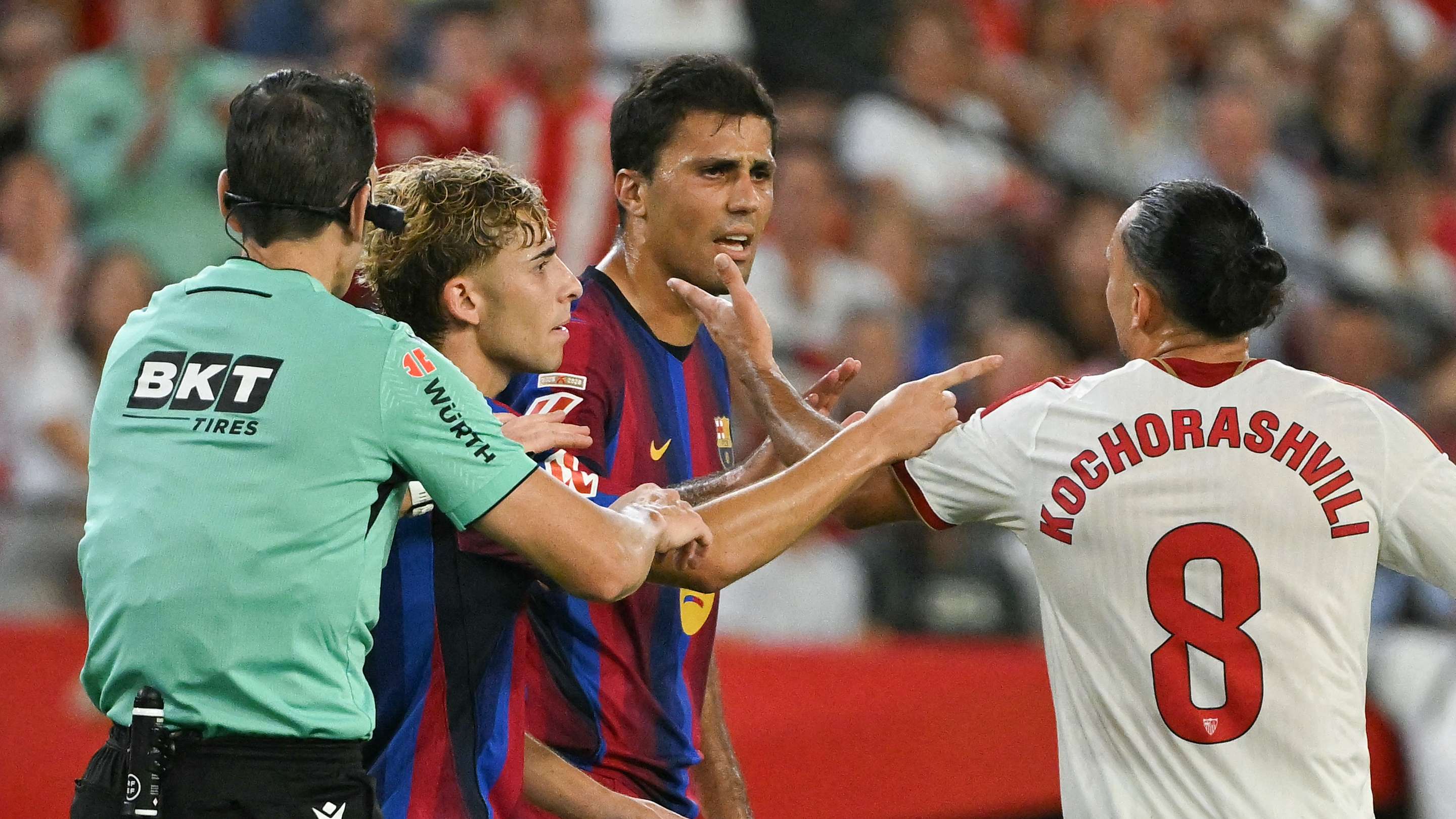
The recent La Liga clash between Sevilla and Barcelona at the Ramón Sánchez Pizjuán Stadium has ignited significant debate among fans, pundits, and football analysts alike. Central to the controversy is the officiating decision made by referee Martínez Munuera, whose actions during a critical moment of the match have been scrutinized and criticized for perceived errors that could have influenced the match’s outcome.
Background: A Match Marred by Controversy
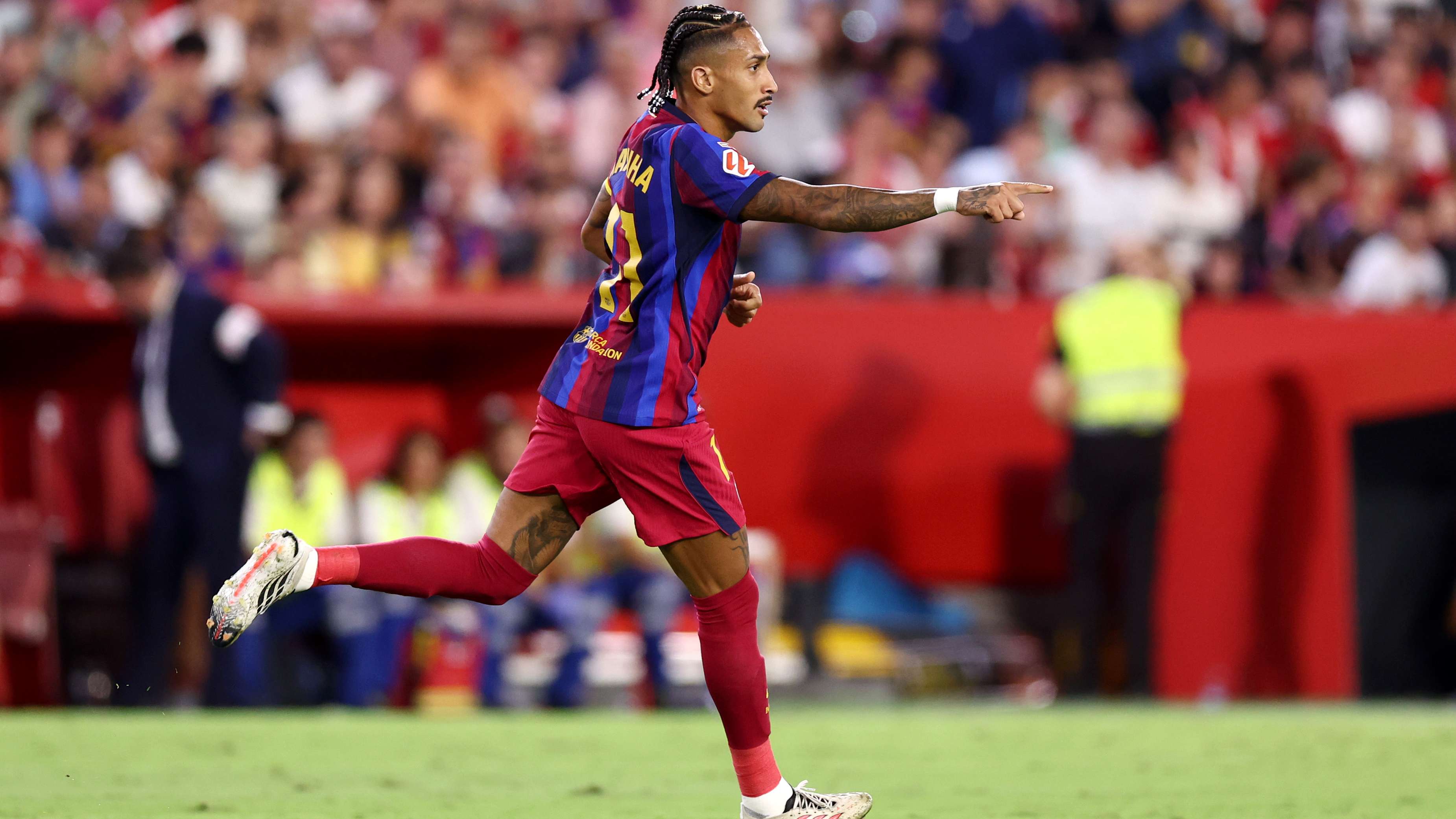
As the seventh round of La Liga unfolded on Saturday evening, anticipation was high for what promised to be an intense and fiercely contested encounter. Both teams, with their respective ambitions and tactical setups, aimed to secure vital points early in the season. However, the match took a contentious turn in the second half, primarily due to a decision by the officiating crew led by referee Martínez Munuera.
Barcelona, known for its attacking prowess and possession-based style, faced a resilient Sevilla side eager to defend home turf. Midway through the second half, Barcelona’s defender Andreas Christensen sustained an injury that forced him off the pitch in the 59th minute. His exit prompted a substitution, with Gerard Martín coming on to fill the gap.
The Incident: A Critical Moment in the Match
The core of the controversy revolves around an incident that occurred while Sevilla was launching a promising attack. According to reports from Archivo VAR, a prominent account dedicated to analyzing refereeing decisions, referee Martínez Munuera made a significant error during this phase of play.
The account detailed: “The referee stopped the match at a moment when Sevilla was building a dangerous offensive move, after Christensen suffered a muscle injury.” This decision, critics argue, was premature and disrupted the flow of the game at a critical juncture.
Positioning and Vision: The Referee’s Perspective
One of the key issues highlighted by analysts is the referee’s positioning during Sevilla’s attack. Archivo VAR emphasized that Martínez Munuera’s poor positioning limited his ability to accurately observe all the developments on the field, particularly the break initiated by Sevilla’s player Correa.
“The referee’s inadequate positioning prevented him from seeing the precise moment of Correa’s break, which could have been crucial for his decision-making,” the account noted. This lack of clear vision is often cited in discussions about controversial refereeing decisions, especially in high-stakes matches where split-second judgments can alter the course of the game.
The Broader Implications: How Refereeing Choices Influence Football Predictions
This incident underscores a broader theme in football: the significant impact that refereeing decisions can have on match outcomes and, consequently, on football predictions. For fans and betting enthusiasts alike, understanding how officiating can sway the results is essential for making informed predictions about future fixtures.
Referees are tasked with maintaining fairness and ensuring the smooth flow of the game, yet their human limitations sometimes lead to errors that can be costly. In this context, accurate officiating becomes paramount, especially in leagues as competitive as La Liga, where every point counts toward a team’s title challenge or European qualification ambitions.
The Role of VAR and Technological Assistance
In recent years, Video Assistant Referee (VAR) technology has been introduced to help mitigate human errors. However, its effectiveness depends heavily on the implementation and the judgment calls made by referees on the pitch. In this case, critics argue that VAR was either not utilized appropriately or failed to correct the on-field decision, further fueling debate about the technology’s role in modern football.
Some experts suggest that better positioning of referees and more consistent application of VAR protocols could help reduce such controversial incidents. Moreover, ongoing training and technological upgrades are crucial for improving officiating standards, which directly influence the accuracy of football predictions and betting markets.
Reactions from the Football Community
The decision has sparked a flurry of reactions across social media platforms, forums, and sports analysis channels. Fans express frustration over perceived inconsistencies in officiating, while analysts dissect the incident to understand how such errors can be minimized in future matches.
The controversy also raises questions about the transparency and accountability of refereeing decisions. As football continues to evolve with technological advancements, the hope remains that officiating errors will become less frequent, leading to fairer and more predictable outcomes—an essential aspect for accurate football predictions and betting strategies.
Looking Ahead: The Importance of Fair Officiating in Football Predictions
For enthusiasts and professionals involved in football predictions, understanding the nuances of refereeing decisions is vital. Controversies like the one at Sevilla serve as reminders that human error can influence match results, and by extension, the accuracy of predictions and betting odds.
As leagues continue to adopt technological solutions and refine officiating standards, the goal is to ensure that matches are decided by the players’ performances rather than refereeing mistakes. Doing so will enhance the credibility of football predictions, improve fan trust, and elevate the quality of the game.
Conclusion: The Ongoing Quest for Fair Play
The incident involving Martínez Munuera during Barcelona’s match at Sevilla highlights the delicate balance between human judgment and technological assistance in modern football. While referees are integral to the game’s integrity, their decisions can have far-reaching consequences, impacting not only the match result but also the broader landscape of football predictions and betting markets.
As the sport continues to evolve, so too must the standards of officiating. Enhanced training, better positioning, and more effective use of VAR are essential steps toward minimizing errors and ensuring that football remains a fair and exciting game for all stakeholders. Fans and analysts alike will be watching closely to see how future officiating decisions shape the predictions and outcomes of this beautiful game.