
Barcelona Face Defensive Concerns Ahead of El Clásico Against Real Madrid
Barcelona’s preparations for El Clásico have been complicated by fresh injury concerns, with young defender Xavi Espart experiencing ankle discomfort during the Champions League meeting with Paris Saint-Germain. His condition is being monitored ahead of Sunday’s LaLiga showdown with Real Madrid, a fixture in which defensive depth could prove decisive.
Espart was substituted in the 74th minute of the match against PSG after reporting pain in his ankle. According to Spanish newspaper Mundo Deportivo, the change was precautionary: Barcelona’s medical staff wanted to avoid aggravating the problem, rather than respond to a poor performance. There is reportedly cautious optimism within the club that the defender could still be available for El Clásico.
Why Espart’s Fitness Matters
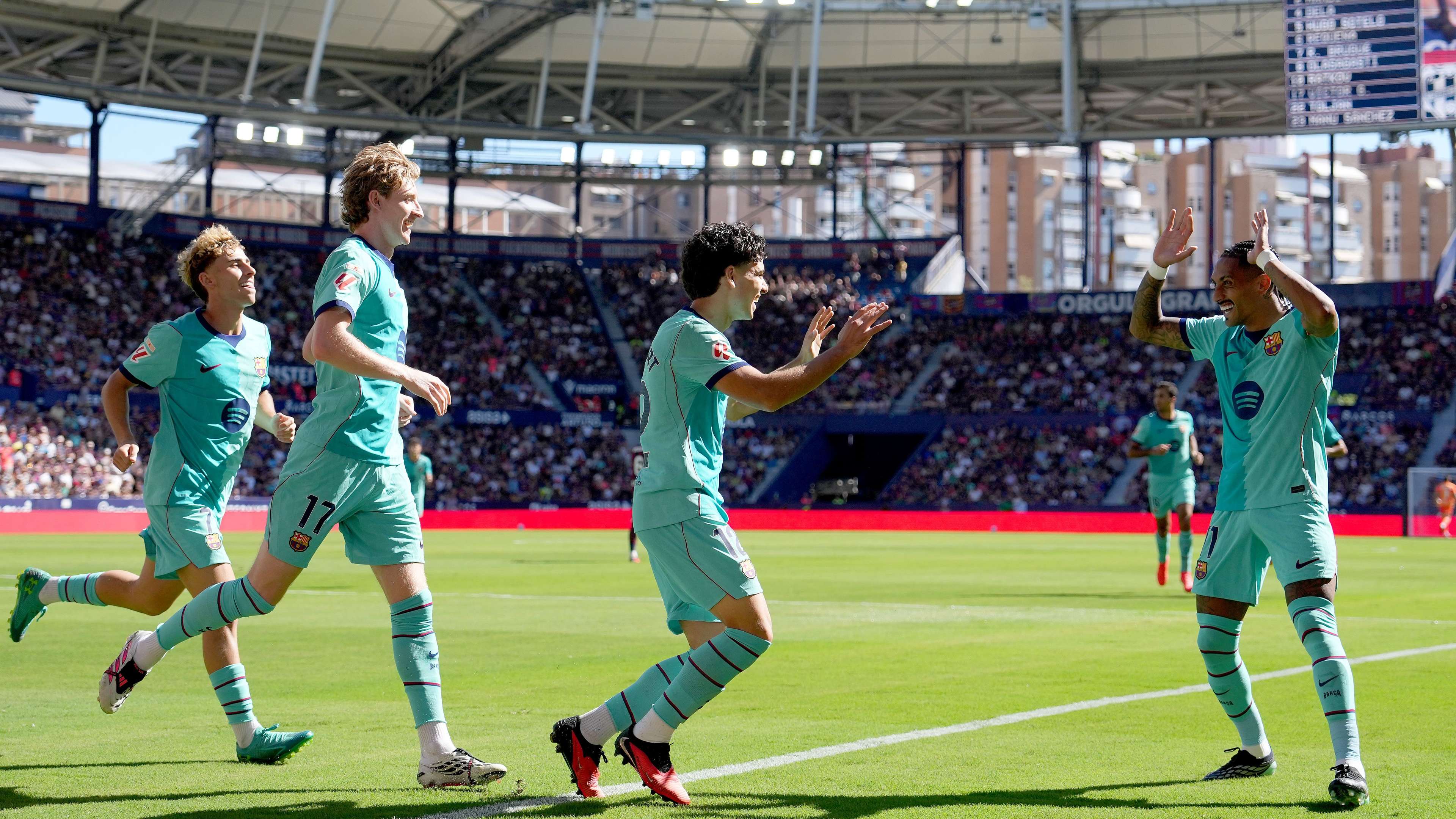
The timing of the substitution raised eyebrows because Espart had been performing well. Barcelona were trailing 2-1, but had enjoyed periods of control and were still pushing for a comeback. The young full-back had contributed positively before leaving the pitch, making his withdrawal appear unexpected to viewers.
Reports indicate that Espart spoke briefly with a member of the medical team as he came off. The decision was understood to be about managing risk, particularly with one of the season’s biggest matches approaching. For Barcelona, preserving a promising defender’s fitness may be more valuable than asking him to play through discomfort in a European fixture.
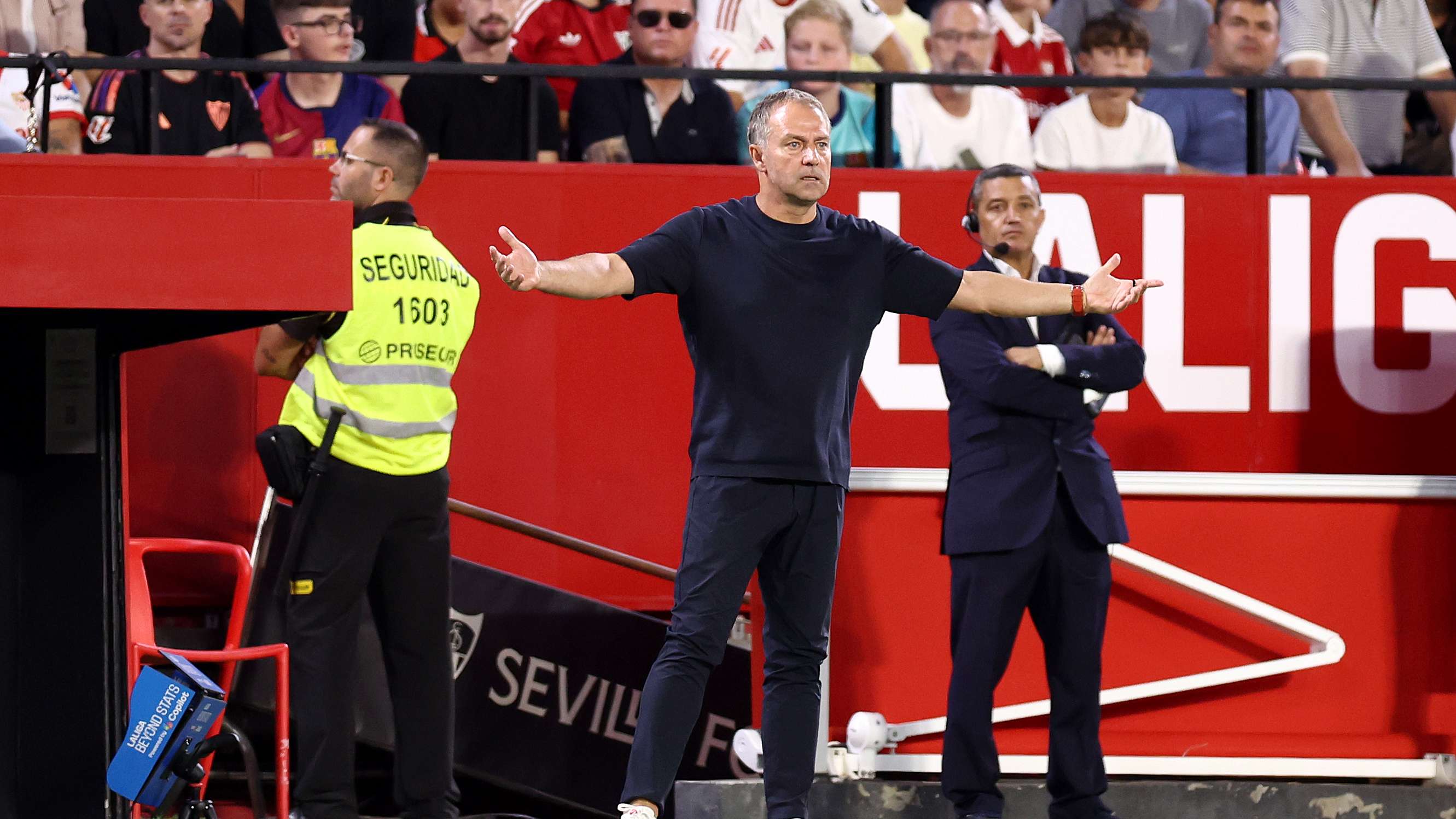
Manager Hansi Flick also praised Espart after the PSG game, highlighting the quality he has shown when given opportunities. “He played a wonderful game, and what he produces every time he plays is amazing,” Flick said. The endorsement reflects the confidence the coach has placed in the youngster—and helps explain why his potential absence is attracting attention.
Full-Back Shortage Adds to Flick’s Selection Challenge
Espart’s fitness is especially important because Barcelona are already short of options in defence. Eric Garcia is confirmed to miss the match, while Jules Koundé is a major doubt as he continues to deal with a sprain in his left ankle. Dani Olmo is also unavailable after picking up an injury against PSG, further limiting Flick’s choices across the squad.
If Espart is ruled out and Koundé is not ready, Flick may have only João Cancelo and Alejandro Balde available as natural full-backs, according to the report. That would leave Barcelona with limited cover in two positions where pace, timing and one-on-one defending are likely to be tested repeatedly against Real Madrid.
Balde replaced Espart during the PSG match, but his playing time this season has been limited. That does not necessarily mean he cannot make an impact, but it may affect Flick’s decision-making if the coach is weighing match sharpness, workload and tactical balance. Cancelo’s versatility offers another option, although using him in one role can influence how Barcelona build attacks from the opposite flank.
What the Injury Update Could Mean Tactically
Against Real Madrid, full-backs are often asked to do more than defend their own channels. They must track quick forward runs, protect space behind the centre-backs and provide an outlet when Barcelona move the ball upfield. A shortage of specialist options could force Flick to adjust his approach, perhaps asking his wide attackers to contribute more defensively or keeping the defensive line more conservative.
Those choices involve trade-offs. A higher line can help Barcelona press and keep Real Madrid away from their penalty area, but it also leaves space for fast counterattacks. A more cautious setup may reduce exposure in behind, yet could make it harder for Barcelona to sustain pressure. The availability of Espart—and any late update on Koundé—could therefore shape not only the starting lineup but also Flick’s broader game plan.
Barcelona will assess Espart over the coming days, with the aim of determining whether the ankle discomfort has settled enough for him to train and compete safely. A return would give Flick another option and provide useful cover, but the club is unlikely to take unnecessary risks if the defender remains in pain. El Clásico is a high-stakes contest, yet aggravating an injury could have consequences beyond a single match.
El Clásico Prediction: Fitness Could Influence the Balance
Any football prediction for Barcelona versus Real Madrid must account for more than form and attacking quality. Availability at full-back may be a significant factor, particularly if Barcelona are forced to rely on players with limited recent minutes or improvise in defence. Real Madrid will look to exploit openings with direct runs and quick transitions, while Barcelona will want to control possession and prevent the game from becoming stretched.
Still, injury concerns do not determine the result on their own. Barcelona’s home support, midfield control and the confidence of players such as Espart can all influence the contest if they are fit to contribute. Real Madrid, meanwhile, will expect to test any uncertainty in the back line from the opening stages. The matchup could hinge on which side manages pressure more effectively and makes better use of the spaces available.
For now, Barcelona’s priority is clear: monitor Espart carefully, wait for further information on Koundé and avoid rushing anyone back before they are ready. The defender’s strong display against PSG has made his possible availability a talking point, but Flick must balance the immediate demands of El Clásico with the longer-term health of his squad. With defensive options already stretched, even one positive fitness update could make a meaningful difference to Barcelona’s preparations.