
Vinícius Júnior Misses El Clásico as Yan Diomande Gets a Defining Real Madrid Opportunity
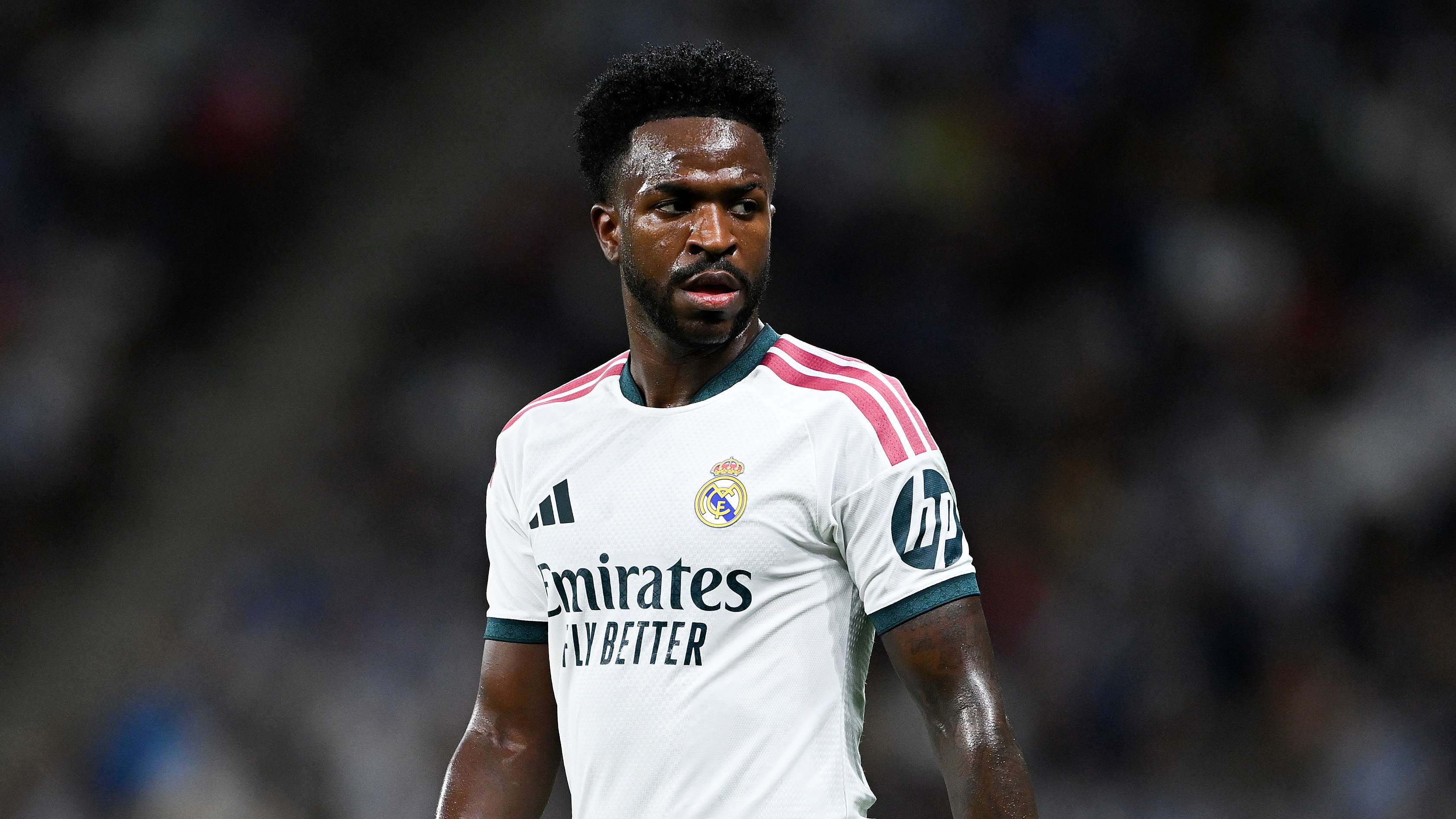
Real Madrid will face Barcelona without one of their most recognisable big-game players when Vinícius Júnior sits out El Clásico through suspension. His absence ends a remarkable run of appearances against Madrid’s fiercest rivals—and gives highly rated newcomer Yan Diomande a chance to make his own mark on one of football’s biggest stages.
For Madrid, the change is more than a straightforward adjustment to the starting line-up. Vinícius has become a central figure in the modern Clásico, capable of deciding a match with pace, dribbling and moments of individual brilliance. But his current form has also raised questions about his place in the team. With Diomande waiting for an opportunity, this match could influence the competition for attacking minutes well beyond the final whistle.
A Clásico run that began in 2020
According to Spanish newspaper Mundo Deportivo, this will be the first Clásico Vinícius has missed since 2019. The Brazilian has featured in every meeting between the sides since 1 March 2020, building a record that reflects both his influence and the unpredictable nature of the rivalry.
His Clásico story has included spectacular highs and difficult nights. Vinícius scored a hat-trick in the Spanish Super Cup final in 2025, underlining his ability to thrive when the stakes are highest. Yet he has also been part of Madrid sides beaten heavily by Barcelona, including 4–0 defeats in 2022 and 2024. In a fixture where reputations can rise or fall quickly, even a player with his experience has faced both extremes.
Across 24 appearances against Barcelona, Vinícius has scored eight goals. Madrid have won 11 of those matches, lost 12 and drawn once. Those figures provide a snapshot of his long involvement in the contest, but they also show how little separates the rivals across a series of fiercely contested games.
Remembering the last time Madrid played without him
The last Clásico Vinícius missed took place on 18 December 2019. He was named among the substitutes but was not used by then-manager Zinedine Zidane, who chose a 4-3-1-2 formation for the trip to Barcelona.
Zidane placed Isco behind the forward pairing of Gareth Bale and Karim Benzema. Casemiro, Toni Kroos and Fede Valverde formed the midfield, while Ferland Mendy and Dani Carvajal covered the flanks. Sergio Ramos and Raphaël Varane partnered in central defence, with Thibaut Courtois in goal.
The match ended 0–0, making it the most recent Clásico to finish without a goal. Its unusual atmosphere extended beyond the football. The game had originally been scheduled for 26 October but was postponed after serious unrest in Barcelona. Protests followed a court ruling connected to the events of 1 October 2017 and their aftermath, placing the fixture amid a tense political climate.
That meeting now offers a reminder that every Clásico is shaped by its own circumstances. In 2019, Madrid travelled without Vinícius playing a part and left with a draw. This time, his absence arrives with a different question: can Madrid’s other attackers turn the enforced change into an advantage?
Diomande’s chance to step into the spotlight
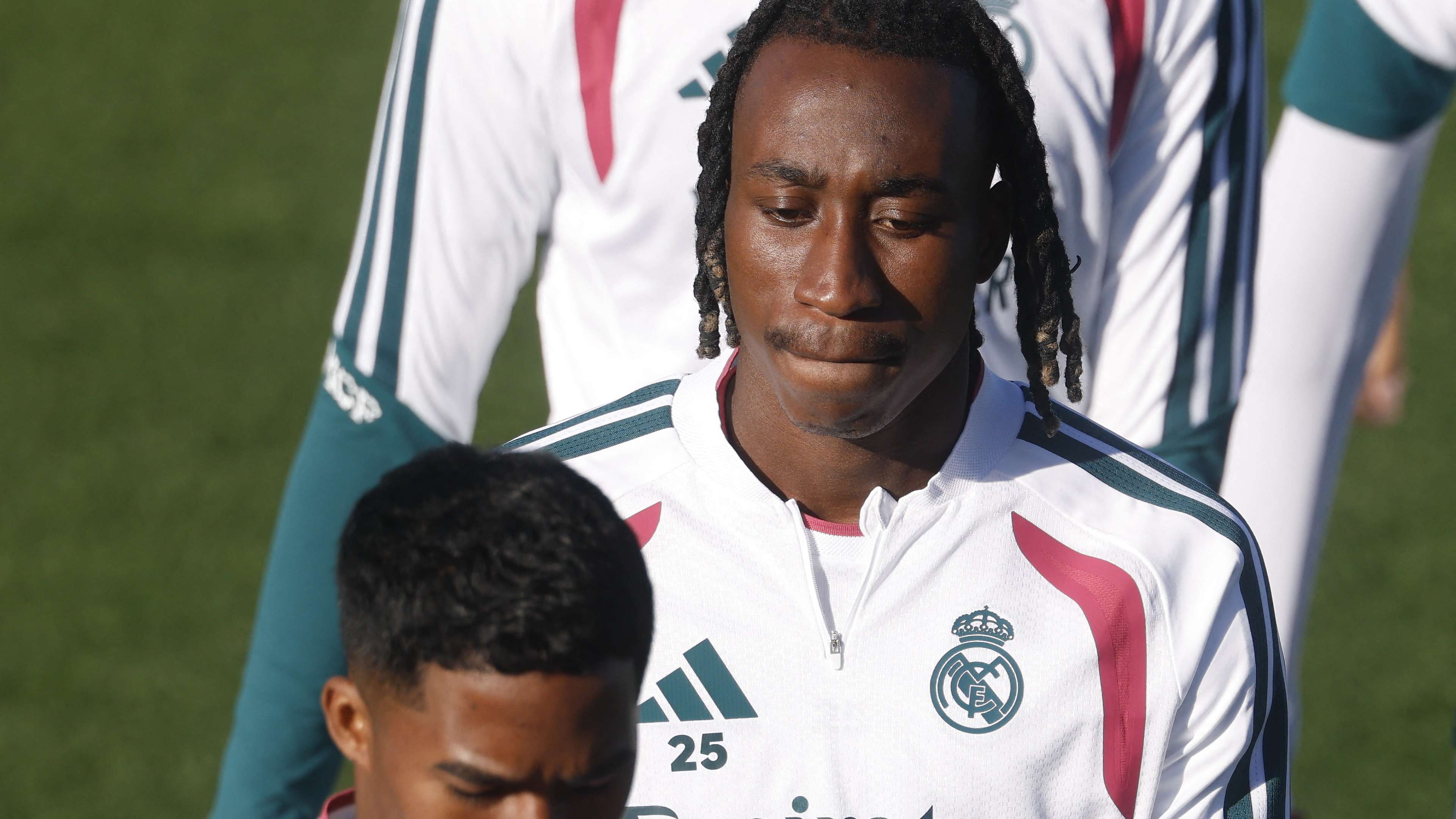
Yan Diomande is expected to benefit from the opening created by Vinícius’s suspension. The Ivorian, who joined Madrid this season from Leipzig for a reported €146 million, has arrived with enormous expectations. The transfer fee makes him the most expensive signing in the club’s history, adding to the attention surrounding every performance.
A Clásico start would be a demanding introduction to one of the most pressurised environments in world football. Barcelona are likely to test Madrid’s attacking players with an intense approach, while the pace of the match can leave little time to settle. Diomande will need to combine composure with directness, choosing carefully when to attack space and when to help his side retain possession.
His performance could also shape the internal conversation at Madrid. A strong display would not automatically displace Vinícius, whose record and experience remain significant. However, it could strengthen Diomande’s case for more regular minutes and give the coaching staff a credible alternative when selecting the front line.
That possibility makes the match particularly important for Vinícius, even though he will not be on the pitch. A player’s standing is influenced not only by what he does in major games, but also by how teammates respond when he is unavailable. If Diomande delivers, competition for places may become sharper when the Brazilian returns.
What to watch in the match prediction
Any football prediction for El Clásico must account for the uncertainty created by a single absence. Vinícius’s speed and ability to carry the ball can stretch Barcelona’s defence, so Madrid may need to find those qualities elsewhere. Diomande’s willingness to run at opponents could help replace some of that threat, while the midfield’s ability to control transitions may prove just as important.
Madrid will also have to manage the emotional intensity of the occasion. Clásicos often turn on small details: a missed chance, a defensive mistake or a quick counterattack. The team that stays organised after losing possession and makes better use of its openings is likely to gain the advantage. Diomande’s role could be decisive if he can turn promising positions into clear chances rather than trying to carry the entire attack alone.
For Barcelona, Vinícius’s suspension removes a familiar source of danger, but it does not make Madrid predictable. The visitors still have multiple attacking options and the motivation to prove they can perform without one of their leading stars. That uncertainty could make the tactical battle more intriguing than a simple comparison of individual names.
A rivalry that will continue to shape their futures
The longer-term impact of this Clásico will depend on what follows. Vinícius’s record against Barcelona is temporarily on hold, while Diomande begins the process of building his own. The two players may compete for opportunities in the months ahead, but Madrid could also benefit from having more than one attacker capable of influencing major matches.
There will be further chances for the Brazilian to respond, whether in a possible Spanish Super Cup final in 2027, a Copa del Rey or Champions League meeting, or the return La Liga fixture at the Santiago Bernabéu. For now, the spotlight belongs to Diomande. If he rises to the occasion, Madrid may leave with more than a result: they could discover a new option for the biggest nights—and give their most established star a fresh challenge when he returns.