
Felix Magath’s Ballon d’Or prediction leaves Harry Kane and Bayern stars out
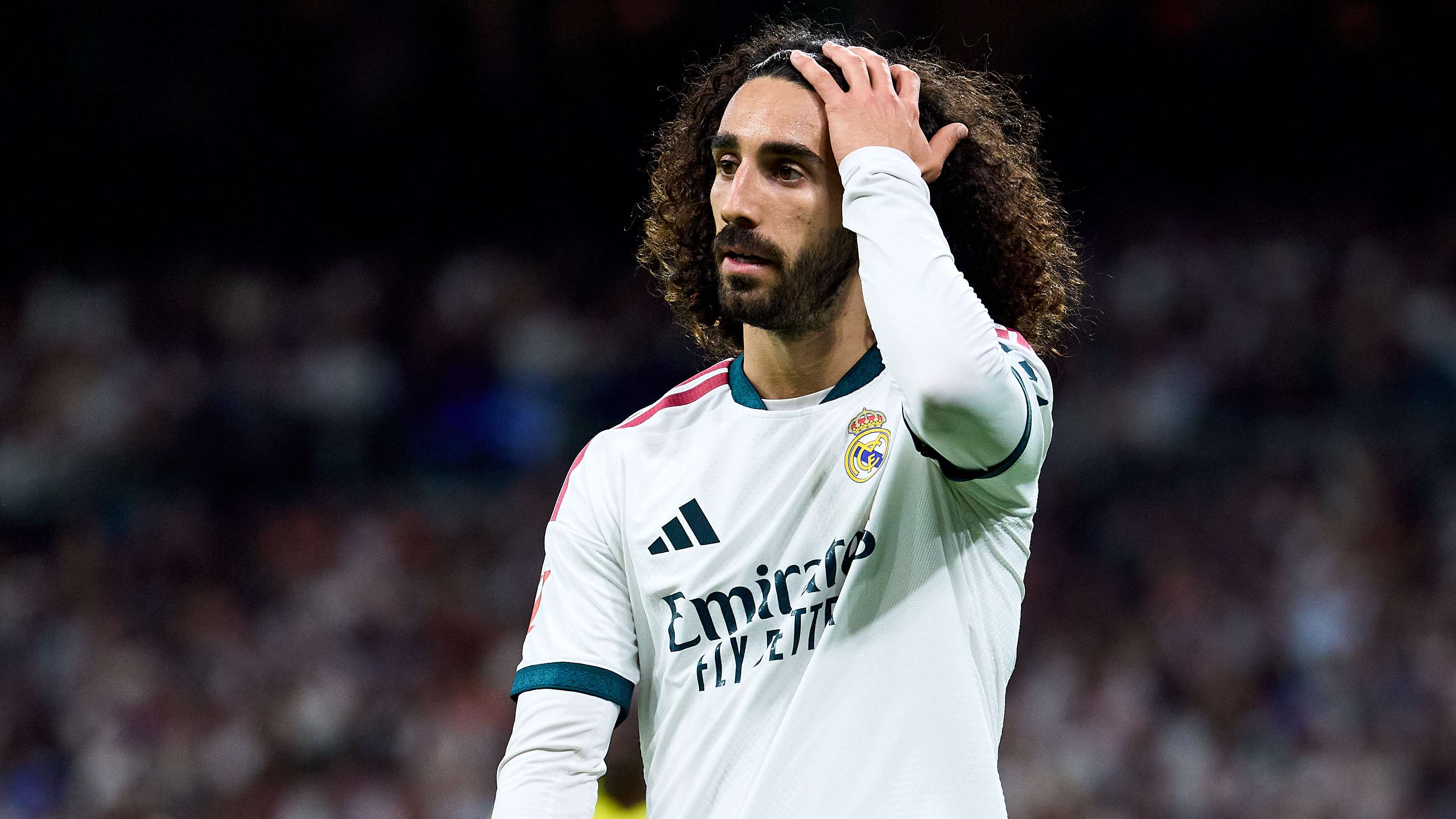
Former Bayern Munich coach Felix Magath has offered an unexpected prediction for the Ballon d’Or, placing Chelsea left-back Marc Cucurella at the top of his personal shortlist. The choice stands out in a season when much of the football conversation has focused on Bayern striker Harry Kane and other high-profile attacking players.
Magath, who led Bayern from 2004 to 2007, has named three Spanish World Cup winners as his favourites. Manchester City midfielder Rodri is second, while Paris Saint-Germain midfielder Fabian Ruiz completes the former coach’s top three. Notably, none of the players currently associated with his former club appear on the list.
The award ceremony is scheduled to take place at London’s Palladium Theatre, near Oxford Circus. With supporters and pundits weighing up individual statistics, major trophies and performances in international competition, Magath’s choices have added a fresh talking point to the Ballon d’Or debate.
Why Magath has backed Marc Cucurella
Cucurella is not the name most bookmakers or fans would expect to see leading a Ballon d’Or prediction. The award has traditionally favoured prolific forwards and creative midfielders, while defenders rarely receive comparable attention. Magath, however, believes the Chelsea player’s work across the pitch deserves recognition.
Speaking to Bild, Magath praised Cucurella’s consistency and defensive reliability. He described the left-back as world-class in his position, highlighting his ability to cover ground, compete in duels and protect his side of the pitch. Magath also pointed to Cucurella’s contribution going forward, arguing that his influence is not limited to stopping opposition attacks.
That combination is central to the case for a modern full-back. Players in the position are often expected to defend one-on-one, track fast wingers, support their team’s build-up and provide an outlet in attack. These responsibilities can be less visible than goals and assists, but they shape a team’s balance and ability to control wide areas.
Magath also connected Cucurella’s individual qualities to Spain’s World Cup success, saying the defender played a significant role in the team’s triumph. His argument reflects a broader principle in Ballon d’Or discussions: performances in major international tournaments can have a powerful influence, particularly when a player helps a successful national side maintain its structure and momentum.
Rodri and Fabian Ruiz complete the shortlist
Magath’s second choice is Rodri, the Manchester City midfielder who has become one of the most influential players in his position. The former Bayern coach described him as Spain’s midfield organiser and pointed to his recognition as the tournament’s best player at the World Cup. Rodri’s role often involves more than winning possession: he helps set the tempo, provides a passing option under pressure and connects the defensive and attacking phases.
Those qualities can be difficult to capture in a simple goals-and-assists comparison. A holding midfielder may influence a match by preventing counterattacks, choosing when to accelerate play and keeping the team compact after losing the ball. Magath’s selection suggests he values that control as highly as the more obvious contributions of a forward.
Fabian Ruiz takes third place. Magath called him the third Spanish world champion on his list and praised his partnership with Rodri. According to the former coach, Ruiz helped provide the balance and stability that allowed Spain’s midfield to function effectively. His club achievements also strengthen his case: Ruiz won the Champions League with Paris Saint-Germain.
By choosing two central midfielders and a left-back, Magath has presented a shortlist built around teamwork, positional discipline and influence on a side’s overall shape. It is a different approach from the familiar focus on headline statistics, though major trophies remain an important part of his reasoning.
How Magath’s picks compare with the leading contenders
Harry Kane is widely viewed as one of the leading candidates, thanks to his scoring record and importance to Bayern. Other names attracting attention include Kylian Mbappé, Lamine Yamal and Michael Olise. Their profiles differ, but each offers the kind of attacking impact that tends to resonate with voters: goals, decisive moments, creativity and the ability to draw attention in high-pressure matches.
Magath’s omission of Kane is particularly striking because the English striker has been a central figure in discussions about the award. Yet the former Bayern coach is not simply choosing players from the most prominent attacking teams. His selections suggest that he wants voters to consider how a player contributes to collective success, including through defensive work and control of the game.
His list also highlights the difficulty of comparing footballers in different roles. A striker can be judged by goals and chances created, while a defender’s value may be reflected in duels won, space covered and the number of attacks stopped before they become dangerous. Midfielders, meanwhile, often influence a match through positioning and decision-making that may not appear in a match summary.
Could a defender win the Ballon d’Or?
A Cucurella victory would be a major surprise. No defender has won the Ballon d’Or since Italy’s Fabio Cannavaro received the honour in 2006, following his leadership during Italy’s World Cup-winning campaign. That history shows how rare it is for a defender to overcome the award’s traditional preference for attacking stars.
Still, Magath’s prediction raises a useful question about how individual excellence should be measured in football. Should the award primarily reward goals and spectacular moments, or should it also recognise players whose discipline and consistency make an entire team more effective? Cucurella’s inclusion makes the case for the latter.
Whether voters agree with Magath remains to be seen. His top three may not match the consensus prediction, but it offers a reminder that football success depends on more than the players finishing moves. As the Ballon d’Or ceremony approaches, the debate will centre not only on who produced the most memorable moments, but also on who made the greatest contribution to winning.