
FIA Vows Action After Pierre Gasly Receives Thousands of Death Threats
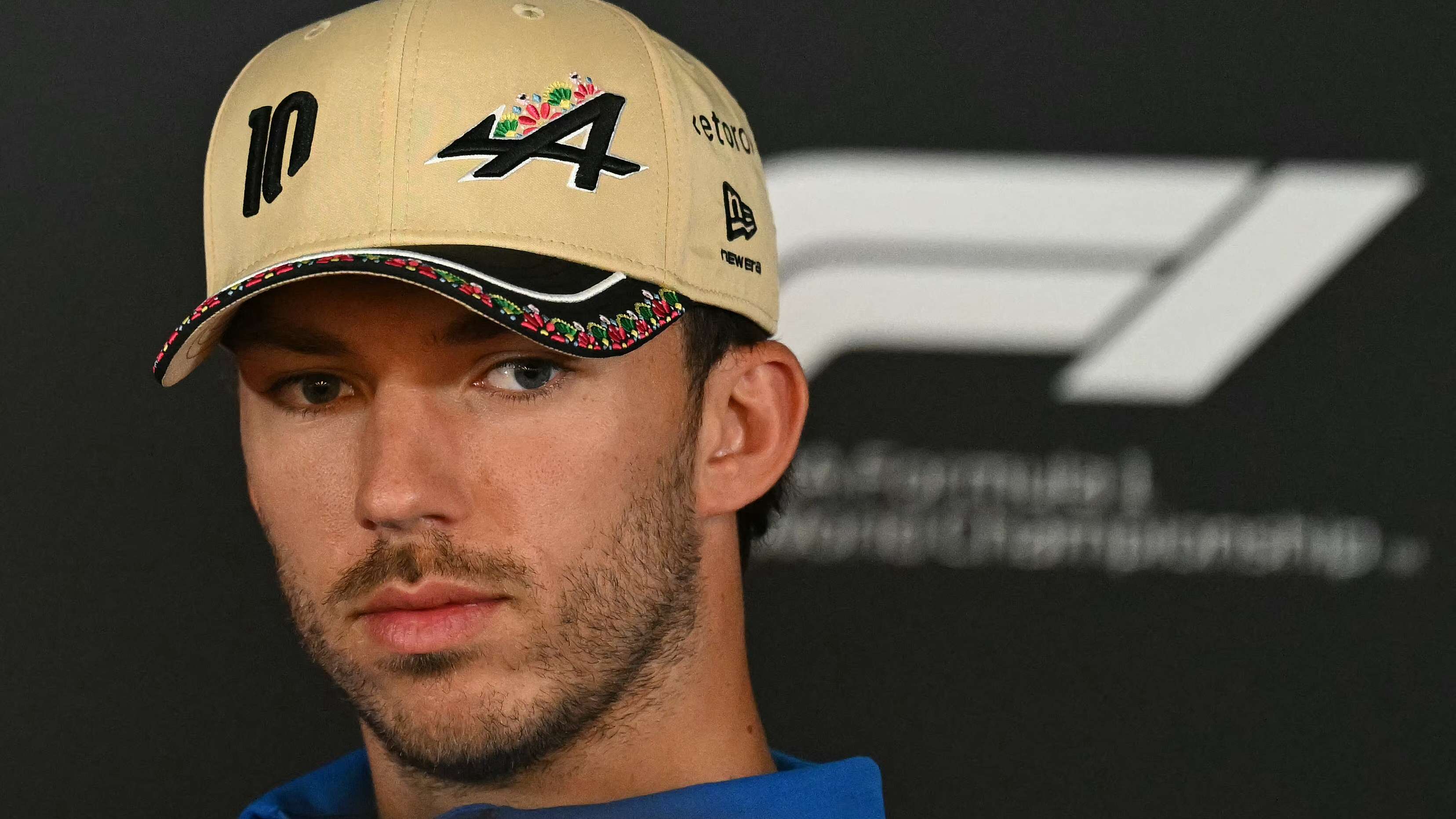
Formula One has renewed its focus on online abuse after Alpine driver Pierre Gasly reportedly received around 13,000 death threats following a tense team-mate dispute at the Madrid Grand Prix. FIA president Mohammed Ben Sulayem says motorsport’s governing body intends to pursue tougher measures against those responsible, including using artificial intelligence to help identify people hiding behind anonymous accounts.
The incident has raised questions about how quickly disagreement on track can spill into harassment online—and what responsibility teams, drivers, platforms and governing bodies have to protect people targeted by abuse. The FIA’s response signals that threats against competitors and officials may be treated not as routine social-media hostility, but as conduct with serious consequences.
On-track disagreement sparks online backlash
The controversy followed the Spanish Grand Prix in Madrid on 13 September. Gasly, 30, was ahead of his Alpine team-mate Franco Colapinto, 23, during the race. Colapinto believed he had greater pace and asked over team radio for Gasly to let him through. Gasly declined, choosing instead to continue with his own race plan.
Such exchanges are a familiar part of Formula One. Drivers and teams constantly weigh strategy, tyre condition, race position and the risk of losing time. A decision that appears straightforward from outside the cockpit can look very different to the driver managing a car at speed. But after Gasly refused the request, some fans responded with intense anger online, particularly among supporters of the Argentine Colapinto.
The scale and nature of the reported threats prompted Gasly to speak publicly. He acknowledged that elite athletes are accustomed to scrutiny, but said the attacks had crossed a clear line—especially when they involved his family, his girlfriend and other people close to him. Criticism of a sporting decision, he indicated, is not the same as threats directed at a driver or their loved ones.
FIA considers tougher sanctions and AI tools
Speaking to The Drive, Ben Sulayem said the FIA wants stronger consequences for people who issue threats. He said the organisation would seek to remove fans or media representatives from the sport’s environment if they were found to have engaged in such behaviour. He also said the governing body was prepared to use AI to help uncover the identities of people posting anonymously.
The comments point to a broader challenge for international sport. Online accounts can be created quickly, and abusive posts may spread across platforms before moderators can respond. Identifying the person behind an account, however, can involve complicated questions about evidence, privacy and jurisdiction. AI may assist with reviewing patterns or flagging potentially harmful content, but any enforcement process would still need reliable verification and appropriate safeguards.
For the FIA, the central message is that anonymity should not be treated as permission to threaten others. Any system used to investigate abuse would need to distinguish credible threats from heated but lawful criticism and ensure that allegations are assessed fairly. The effectiveness of the proposed approach will depend not only on technology, but also on clear rules, consistent enforcement and cooperation with social-media companies.
Colapinto urges supporters to stop the abuse
Alpine’s response has also highlighted the difficult position teams face when a dispute between team-mates becomes a source of fan conflict. Team executive Flavio Briatore announced that he would no longer give interviews to Argentine media representatives following the backlash. Colapinto, meanwhile, appealed directly to his supporters, asking them to stop threatening Gasly.
That intervention matters because drivers can influence the tone of their fan communities. A competitor may have little control over what individual supporters post, but a clear public rejection of abuse can help establish that threats are not an acceptable way to defend a favourite driver. Ben Sulayem said drivers should be prepared to distance themselves from fans who target other competitors.
At the same time, the episode illustrates why collective blame can be harmful. The actions of individuals should not automatically be attributed to an entire nationality, media group or fan base. A more effective response focuses on specific conduct and holds the people responsible accountable, while allowing legitimate reporting and passionate but respectful debate to continue.
Abuse can affect officials as well as drivers
Ben Sulayem also recalled a separate case involving a female race steward who received threats of rape and murder. According to the FIA president, the abuse ultimately contributed to her decision to leave. The example underscores that online hostility can have consequences beyond a driver’s public image: it can affect the willingness of officials and other professionals to continue working in motorsport.
Race stewards make decisions under intense scrutiny, often in moments when championship points, team orders and penalties are at stake. Disagreement with a ruling is part of sport, but threats can create a hostile environment for the people responsible for applying the rules. If experienced officials feel unsafe or forced out, the impact may extend to the quality and continuity of race governance.
What the incident means for Formula One fans
For fans following the next race weekend, the Gasly-Colapinto dispute is a reminder that football-style passion and Formula One rivalry do not justify personal threats. Supporters can debate whether Gasly made the right call, assess Alpine’s strategy or offer a prediction about how the team will manage future team orders without targeting drivers or their families.
The FIA’s promised crackdown could mark a more assertive approach to online abuse across motorsport. But its success will be measured by whether it protects those at risk while applying rules transparently and consistently. As Formula One’s global audience continues to grow, the challenge is to preserve spirited discussion without allowing disagreement to become intimidation.
Gasly’s experience has placed that challenge in sharp focus. A split-second strategic choice on track should remain a sporting debate—not a trigger for threats. The FIA, teams and drivers are now signalling that those who cross that boundary may face consequences, even if they attempt to hide behind anonymous accounts.