
Zamalek Demand Refereeing Review After Cairo Derby Defeat to Al Ahly
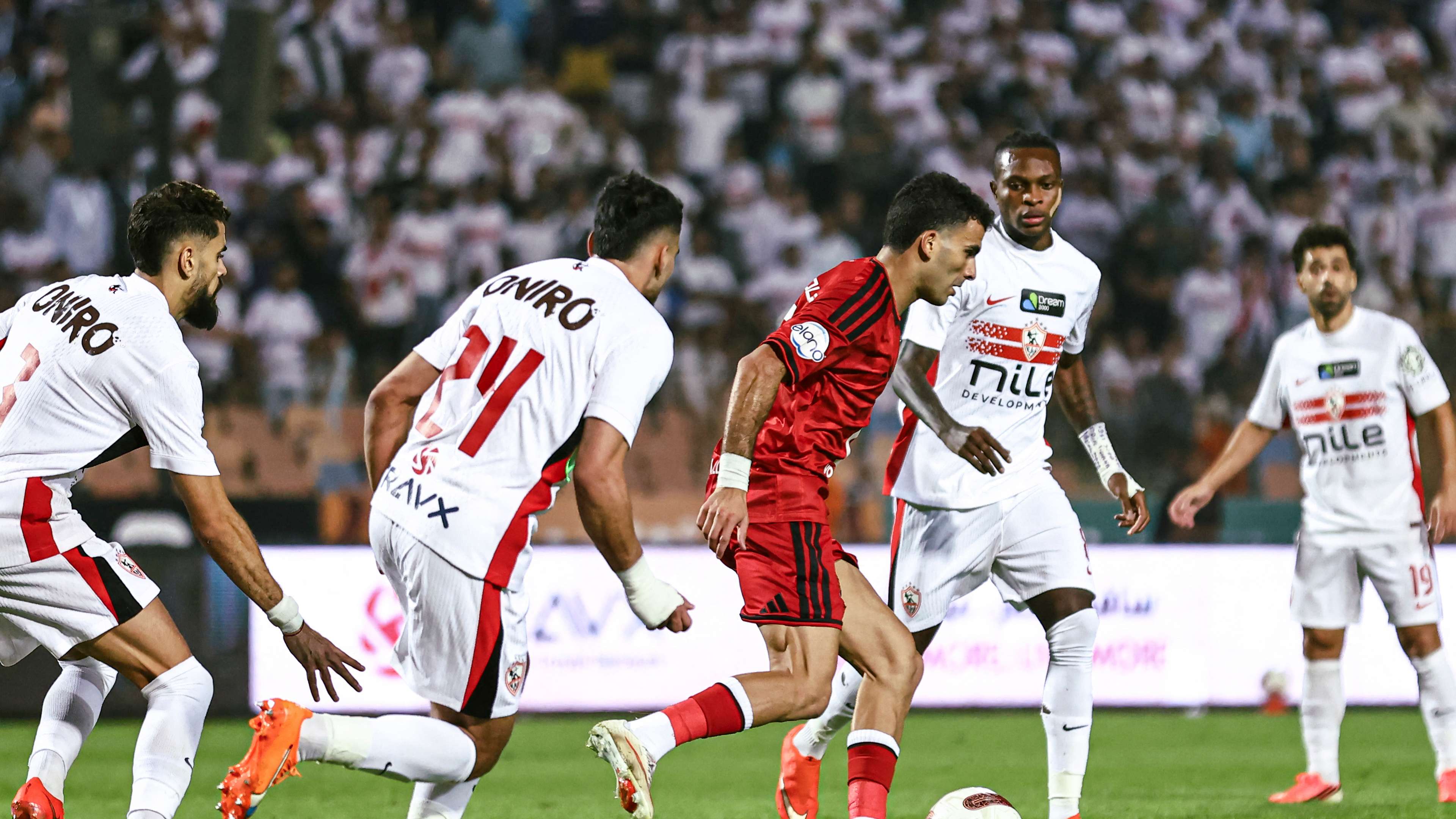
Zamalek have accused the refereeing team of undermining fairness in the Cairo derby after their 2-0 defeat to Al Ahly, and say they will file an official complaint with the Egyptian Football Association (EFA). The club’s response has reignited debate over officiating, video assistant referee (VAR) decisions and the pressure surrounding one of African football’s most intense rivalries.
In a statement posted on X, Zamalek said they believed key decisions went against them and affected the outcome of the match. The club directed its criticism at the referees’ committee, questioning both the selection of the officials and the way incidents were handled during the game.
Zamalek question referee selection and key decisions
Zamalek described the appointed officiating team as unsuitable for a match of the derby’s importance. The club argued that a series of decisions had a significant impact on the contest, leaving the players and coaching staff’s efforts unrewarded.
“The use of an unknown refereeing team, one far below the stature of the match, led to a series of decisions deliberately and crudely directed against Zamalek, which affected the course and the result of the match,” the statement said.
The wording reflects the strength of the club’s frustration, but the allegations remain Zamalek’s claims. The EFA and the referees’ committee will have an opportunity to respond through the formal complaints process. Until then, the dispute is likely to intensify scrutiny of the match and the standards expected from officials in high-profile fixtures.
Zamalek also cited the views of refereeing experts, claiming that two possible penalties were not awarded in their favour. They further alleged that VAR failed to review more than one incident that could have benefited the team. The club has not publicly detailed every moment in its statement, but its complaint is expected to focus on those disputed calls and the use of video review.
Why the derby controversy matters
The Cairo derby is more than a regular league fixture. Al Ahly and Zamalek are Egypt’s most prominent clubs, and their meetings carry enormous sporting and emotional significance for supporters. A controversial decision in a match of this magnitude can quickly become the central talking point, particularly when it appears to influence momentum or the final score.
That is why refereeing appointments and VAR procedures are so closely examined. Supporters want decisions to be consistent, while clubs expect clear explanations when major incidents are reviewed or left unchecked. A formal complaint can give the governing body a chance to assess the officiating, although it does not automatically mean the result will be changed.
For football fans, the key questions are whether the disputed incidents were assessed according to the laws of the game and whether the officials followed the correct VAR protocol. An independent review, if conducted, could help clarify those points and reduce speculation. Transparency is especially important when rival clubs and their supporters interpret the same moments in sharply different ways.
Zamalek accuse committee of lacking impartiality
The club’s criticism extended beyond the referee who took charge of the derby. Zamalek argued that the referees’ committee had been influenced by pressure directed at the club before the league season began. In their view, that atmosphere has weakened confidence in the committee’s ability to treat both sides equally.
Zamalek said they would not remain silent and pledged to defend the interests of the club and its supporters. They also called on people within the referees’ committee to reconsider how officials are selected, insisting that impartiality must be the foundation of refereeing in every match.
Such statements are common after emotionally charged defeats, but they can have consequences beyond the immediate result. They may prompt a response from the EFA, increase public pressure on the committee, and renew calls for clearer communication about referee appointments and VAR decisions. The challenge for the governing body is to address legitimate concerns without allowing accusations to replace evidence-based review.
What happens next for both clubs?
Zamalek’s next fixtures will quickly shift attention back to the pitch. The club are scheduled to face Al Ahly in CAF Champions League qualification on October 17, 2026, before a Premier League match against QAN on October 22. Those games offer an opportunity to regain momentum, but the derby dispute may continue to dominate discussion if the complaint remains unresolved.
Al Ahly, meanwhile, will take confidence from a 2-0 victory in a high-pressure contest. Their immediate priority will be maintaining results across domestic and continental competition while avoiding distraction from the controversy. For both teams, consistency and discipline will be essential as the season progresses.
The result also feeds into wider conversations about squad planning and the future of individual players. A separate fan poll asking what Percy Tau should do next offered options including staying with Al Ahly, returning to the South African Premier Soccer League, moving back to Europe or reuniting with coach Pitso Mosimane in Saudi Arabia. The poll reflects the ongoing interest in Tau’s career, but it is separate from Zamalek’s refereeing complaint and does not determine his next move.
Derby prediction: focus turns to the response
Any prediction about the clubs’ next meetings must account for more than the scoreline. Al Ahly will take confidence from their derby win, while Zamalek may be motivated to respond after feeling aggrieved. However, future outcomes will depend on form, team selection, fitness and how effectively each side manages the pressure—not simply on the controversy surrounding one match.
For now, the central issue is whether Zamalek’s complaint leads to a detailed explanation from the EFA. A credible review could help restore trust and provide clarity on the penalty claims and VAR decisions. Whatever the findings, the derby has once again shown how quickly officiating can become as prominent as the football itself when Egypt’s fiercest rivals meet.