
Manchester United Officially Confirm Gabriele Biancheri’s Transfer to FC Wacker Innsbruck: A Strategic Move in Football Transfers
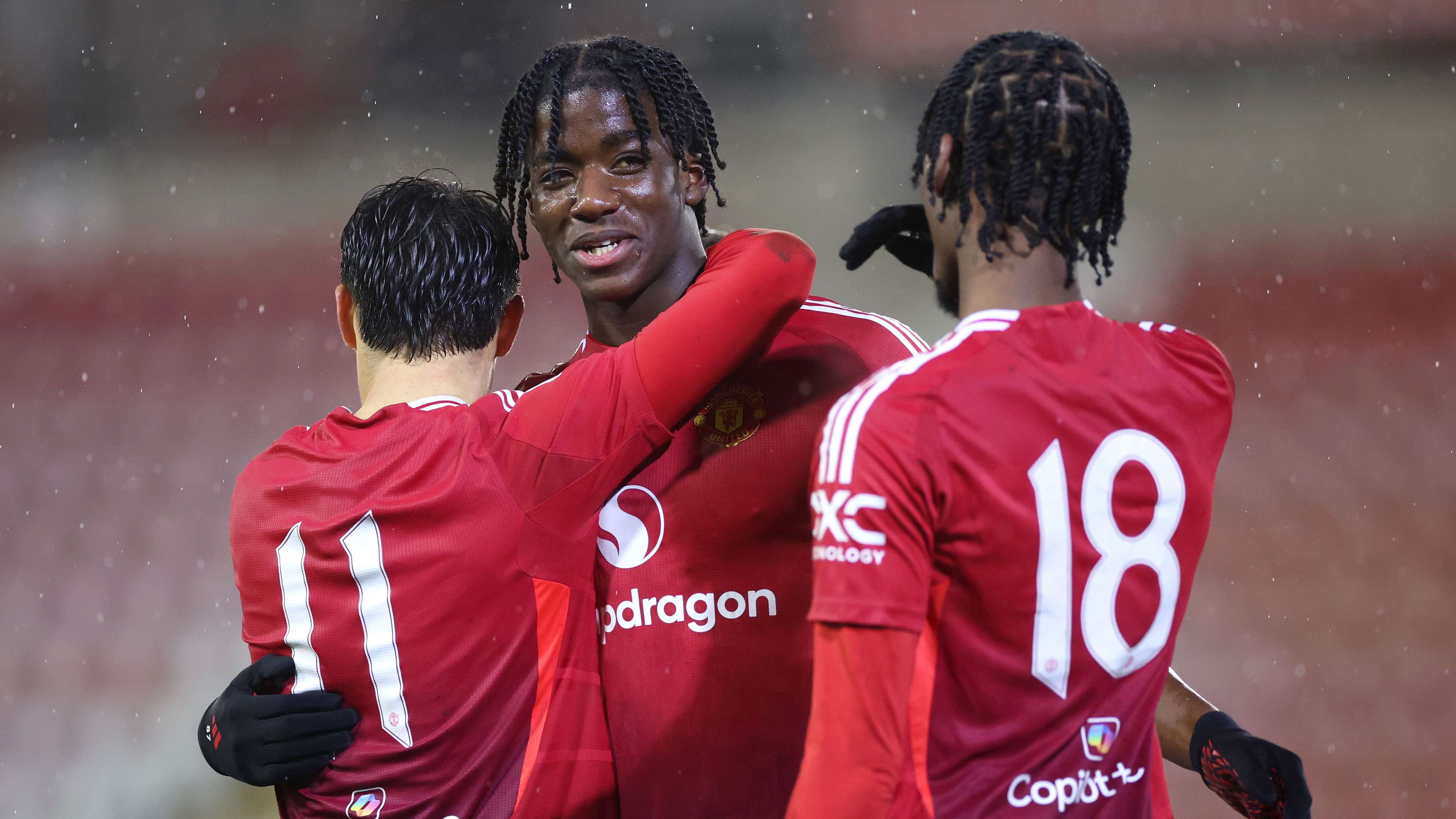
In a notable development within the world of football, Manchester United has officially announced the permanent transfer of promising young forward Gabriele Biancheri to Austrian club FC Wacker Innsbruck. This transfer, finalized after the closure of the English transfer window, highlights the ongoing dynamism and strategic flexibility inherent in modern football, especially when it comes to nurturing young talent and exploring international opportunities.
Understanding the Transfer Dynamics: Why the Move Matters
The transfer of Gabriele Biancheri marks a significant step in both the player’s career trajectory and Manchester United’s broader development strategy. Biancheri, a highly-rated young talent, had been part of United’s youth setup, showcasing promising potential that caught the attention of scouts and analysts alike. His move to Austria not only provides him with more first-team experience but also exemplifies a growing trend among top European clubs to facilitate international transfers outside their primary transfer windows.
This particular transfer was made possible because the Austrian football authorities maintain a transfer window that remains open until Thursday evening, even after the English window closed. Such flexibility allows clubs and players to pursue opportunities that might have otherwise been unavailable during the standard transfer periods, ensuring that talent continues to flow seamlessly across borders. For players like Biancheri, this opens doors to new challenges, diverse playing styles, and the chance to develop in competitive European leagues.
Manchester United’s Strategic Focus on Youth Development
Manchester United has long been renowned for its commitment to cultivating young talent, balancing immediate success with long-term squad development. The departure of Biancheri underscores the club’s strategic approach—allowing promising youth players to gain valuable experience elsewhere, especially when opportunities within the squad are limited due to intense competition for places.
By facilitating Biancheri’s move to Austria, United demonstrates their confidence in the player’s potential, viewing this transfer as a mutually beneficial step. The young forward will now have the opportunity to adapt to a different footballing environment, which can significantly accelerate his growth and readiness for future roles at higher levels of competition.
FC Wacker Innsbruck: A Strategic Fit for Biancheri
FC Wacker Innsbruck, a respected club within Austrian football, has been actively expanding its squad with talented young players from across Europe. The club’s focus on youth development and competitive participation in Austria’s second division makes it an ideal environment for Biancheri to hone his skills, gain regular playing time, and adapt to the physical and tactical demands of senior professional football.
This move also aligns with Wacker Innsbruck’s ambition to climb the ranks within Austrian football, and acquiring a player like Biancheri adds significant value to their attacking options. For the player, this represents an excellent platform to showcase his talent on a broader stage, possibly attracting attention from bigger European clubs in the future.
Implications for Football Prediction and Future Prospects
From a football prediction perspective, the transfer of Biancheri is an intriguing development. It raises questions about the trajectory of his career and how he will adapt to Austrian football’s tactical landscape. Many analysts see this move as a potential stepping stone—if Biancheri can leverage his time in Austria effectively, he could emerge as a future star capable of competing at the highest levels.
Furthermore, this transfer underscores the importance of international mobility in football, especially in the context of talent development and prediction models. Clubs are increasingly recognizing that providing young players with diverse experiences enhances their skills, tactical understanding, and mental resilience—that’s why strategic moves like this are often scrutinized for their long-term impact on both player development and team performance.
Broader Context: Football Transfers Beyond the Deadline
The timing of Biancheri’s transfer also highlights the unique flexibility offered by some European football associations, allowing players to move beyond traditional transfer windows under certain conditions. This phenomenon is becoming more common as clubs seek to maximize talent acquisition opportunities, especially in extraordinary circumstances or when players seek a change of environment late in the transfer period.
Such moves can influence football predictions for upcoming seasons, as new signings bring fresh tactical options and competitive dynamics. Observers and pundits often analyze these late transfers to forecast team performance and league outcomes, considering how new players might impact matches and overall team chemistry.
Final Thoughts: A Promising Chapter for Biancheri and Wacker Innsbruck
The transfer of Gabriele Biancheri from Manchester United to FC Wacker Innsbruck is more than just a routine player movement; it reflects the evolving nature of football transfers and the critical role of international mobility in player development. For Biancheri, this is an exciting opportunity to prove himself on a new stage, while Wacker Innsbruck gains a talented addition to their squad that could be pivotal in their pursuit of success in Austrian football.
As football fans and analysts continue to follow this story, it will be interesting to see how Biancheri adapts to the Austrian league, how he influences Wacker Innsbruck’s predictions for the season, and whether this move will serve as a springboard for future transfers to bigger European clubs. In the end, such strategic transfers underscore the dynamic, interconnected world of football—where talent, opportunity, and strategic vision collide to shape the future of the beautiful game.