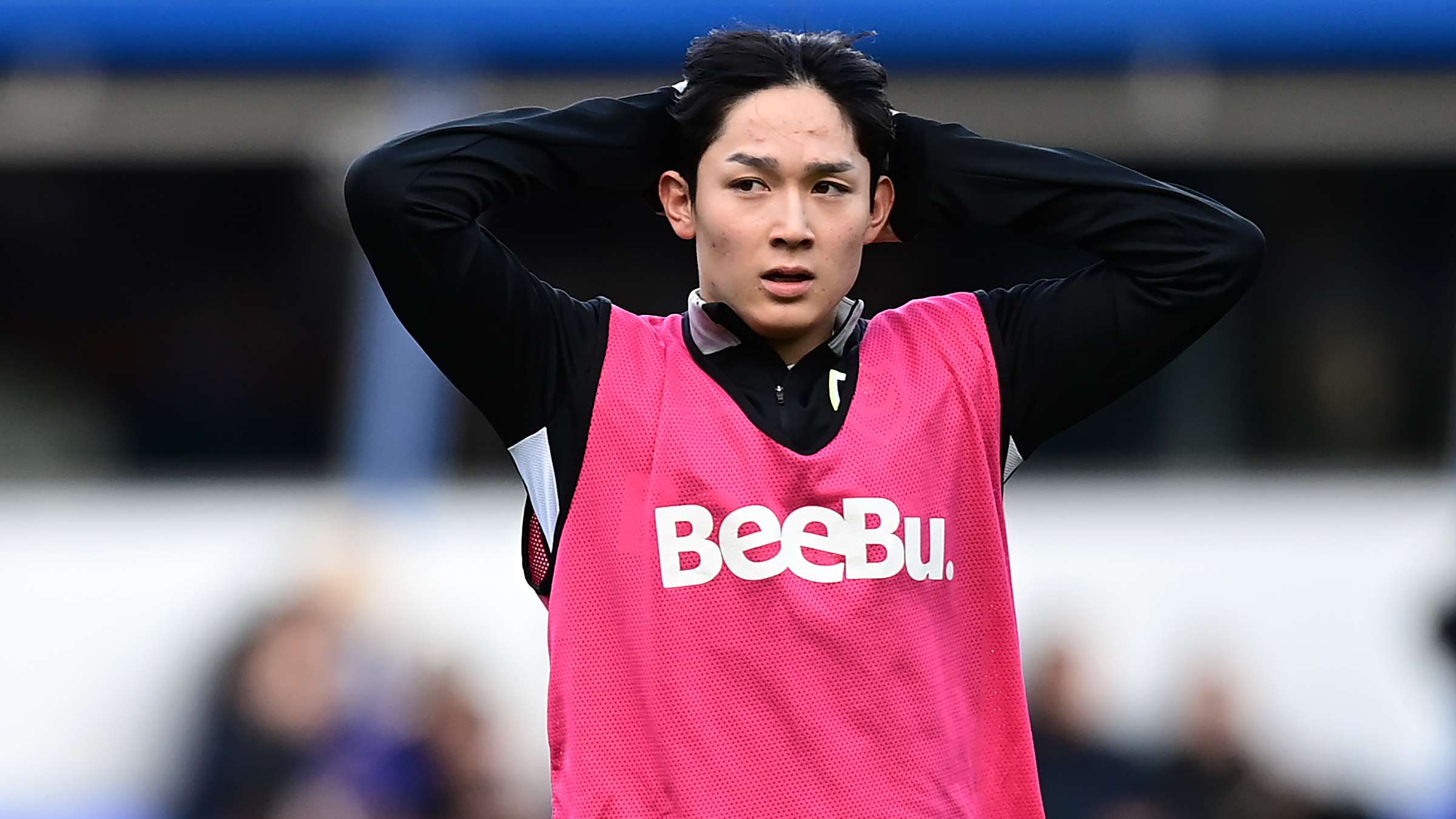

South Korea’s Rising Football Star Yang Min-hyeok Sparks National Debate Over Military Service Exemption
In the wake of South Korea’s triumphant performance at the recent Asian Games, young football sensation Yang Min-hyeok has become a household name across the nation. The talented winger, whose impressive skills on the pitch contributed significantly to South Korea’s historic gold medal victory, now finds himself at the heart of a heated national controversy. His recent comments about military service exemptions have ignited widespread debate, highlighting the complex intersection of sports, patriotism, and societal expectations in South Korea.
From Rising Star to Controversial Figure: The Story of Yang Min-hyeok
Yang Min-hyeok’s journey to the forefront of South Korean football has been nothing short of remarkable. Born and raised in Seoul, the young athlete quickly rose through the ranks of youth football before earning a spot on the national team. His exceptional dribbling, agility, and vision on the field quickly garnered attention from top clubs and fans alike. His recent performances at the Asian Games not only demonstrated his technical prowess but also showcased his leadership qualities, inspiring a new generation of football enthusiasts.
During the Asian Games, South Korea’s football team displayed remarkable resilience and skill, ultimately clinching the gold medal—a feat that has elevated the sport’s profile in the country. As one of the standout players, Yang Min-hyeok played a pivotal role in the team’s success, scoring crucial goals and providing inventive assists that kept opponents on their toes. His contributions were celebrated nationwide, solidifying his status as an emerging star in Asian football.
The Controversial Post-Match Comments and Public Backlash
However, following the tournament’s conclusion, Yang Min-hyeok’s comments regarding military service exemptions have overshadowed his athletic achievements. In South Korea, military duty is a mandatory obligation for all able-bodied men, usually completed between the ages of 18 and 28. Athletes who win medals at major international competitions—such as the Olympics or Asian Games—are traditionally granted exemptions or reduced service requirements as a mark of national pride.
In a post-match interview, Yang Min-hyeok expressed hope that his contributions to the national team would help him secure exemption from mandatory military service. While his words were intended to reflect his aspirations and gratitude for the opportunity to serve his country through sport, they have been met with mixed reactions. Many critics argue that such statements display a sense of entitlement or a lack of appreciation for the societal importance of military duty, especially given the ongoing tensions on the Korean Peninsula.
Social media platforms buzzed with debate, polarizing public opinion. Supporters argued that as an athlete, Yang’s primary focus should be on his career and representing Korea on the international stage. Conversely, opponents contended that his comments undermine the values of patriotism and sacrifice expected of South Korean citizens, regardless of their sporting achievements. The controversy has sparked a broader discussion about the societal expectations placed on young athletes and the perceived privileges associated with international success.
Understanding South Korea’s Military Service Policy and Its Impact on Football Predictions
The issue of military service exemptions in South Korea is deeply intertwined with national identity and the country’s strategic security concerns. Historically, the government has granted exemptions or special treatment to athletes who bring international acclaim to the nation, considering their achievements as a source of national pride and soft power. However, this practice has also raised questions about fairness and social equity, especially among young men who are required to serve but are not granted such privileges.
From a football prediction perspective, the controversy surrounding Yang Min-hyeok could influence future team selections and player development strategies. Coaches and analysts may now factor in the potential for public scrutiny and societal pressures when evaluating young talent, particularly those who are seen as potential medal winners. Additionally, this debate might impact the morale and motivation of upcoming athletes, who could feel torn between their sporting ambitions and societal expectations.
The Broader Context: Football in South Korea and Its Role in Society
Football has become an integral part of South Korea’s cultural fabric. The sport’s rise over the past decades has paralleled the nation’s economic growth and globalization efforts. Major tournaments like the Asian Games and FIFA World Cup have served as platforms for showcasing Korean talent and fostering national pride.
In recent years, the South Korean football community has produced numerous talented players who have achieved success both domestically and internationally. The sport’s popularity continues to grow, with youth academies, professional leagues, and grassroots programs nurturing the next generation of stars. However, as the case of Yang Min-hyeok illustrates, the path to football stardom in Korea is often fraught with societal expectations beyond the pitch.
Expert Insights: The Future of Football and Military Policy in South Korea
Sports analysts and football experts believe that this controversy may serve as a catalyst for broader discussions about sports policies and military exemption rules in South Korea. Some advocate for reforming the current system to ensure fairness and transparency, emphasizing that athletic achievement should not confer undue privileges but should instead be celebrated as a national contribution.
Furthermore, football prediction models for upcoming tournaments are now factoring in potential off-field issues that could influence player availability and team cohesion. The mental and emotional well-being of athletes like Yang Min-hyeok, who face societal pressures, is increasingly recognized as a critical element in forecasting team performance and tournament outcomes.
Conclusion: The Legacy of Yang Min-hyeok and the Future of South Korean Football
Yang Min-hyeok’s story encapsulates the exciting yet complex landscape of South Korean football today. As a rising star, he has showcased exceptional talent and brought pride to his nation through his performances at the Asian Games. However, his recent comments about military service exemptions have ignited a national debate that extends beyond sports, touching on issues of patriotism, societal values, and fairness.
As South Korea continues to develop its football infrastructure and nurture young talent, the discussions surrounding military service and athlete privileges are likely to shape future policies and predictions for the sport. The nation’s football community and fans alike will be watching closely to see how these societal debates influence the next generation of players and the country’s footballing success on the world stage.
Ultimately, the story of Yang Min-hyeok highlights the importance of balancing athletic achievement with societal responsibility, and it underscores the evolving role of football as a reflection of national identity. As predictions for upcoming tournaments become more sophisticated, understanding these cultural nuances will be key to accurately forecasting South Korea’s future footballing prospects.