
Real Madrid Shirt Controversy Reignites Ballon d’Or Voting Debate
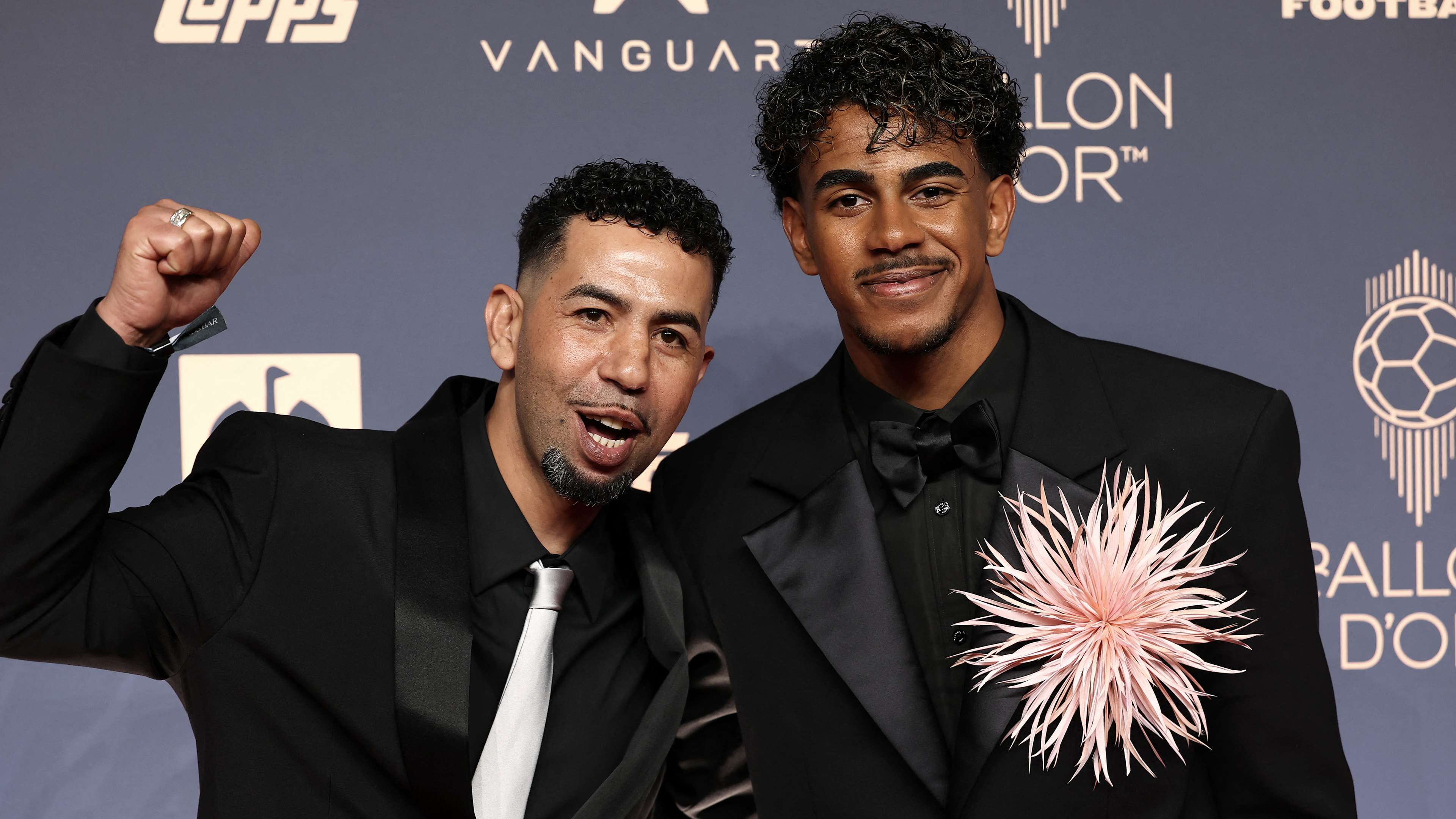
Munir Nasraoui, the father of Barcelona winger Lamine Yamal, has questioned the voting behind the latest Ballon d’Or results, arguing that his son deserved a higher finish. Nasraoui’s comments have also revived a familiar debate in football: whether a player’s club, national team or public profile can influence how voters judge an individual season.
Harry Kane won the award, with Real Madrid forward Kylian Mbappé finishing ahead of Yamal. The Barcelona youngster placed third, a result Nasraoui found difficult to accept. In remarks to journalist Jota Jordi, he challenged the votes that helped Mbappé secure second place and questioned the judgment of Spain’s representative in the voting process, José Félix Díaz, director of the newspaper AS.
Nasraoui questions votes for Mbappé
Nasraoui’s criticism was direct. He said he would like to meet one of the people who voted for Mbappé and discuss the decision with them, adding that he would welcome a conversation with a supporter of the French forward as well. His comments reflected his belief that Yamal’s achievements merited stronger recognition in the final ranking.
He also suggested that Mbappé’s association with Real Madrid may have shaped some voters’ choices. Nasraoui argued that individual awards should assess a player’s performance rather than reward the prestige of the club they represent. In his view, the influence of the famous white shirt risks turning a personal honour into a reflection of a team’s reputation.
That accusation is contentious. Real Madrid’s global reach and history can make its players unusually prominent in football discussions, but prominence alone does not prove that voting was unfair. The Ballon d’Or is decided by journalists, and each voter is expected to weigh sporting performance according to the award’s criteria. Still, the process leaves room for interpretation, which means close results are likely to attract scrutiny.
Why the Ballon d’Or vote is open to debate
The Ballon d’Or is not decided by a single statistic. Voters may consider individual performance, team success, decisive contributions and a player’s overall influence during the relevant period. Those factors can point in different directions. A forward might produce exceptional numbers, while another player may be valued for leadership, consistency or performances in high-pressure matches.
That makes the award difficult to predict with certainty. Goals and assists offer clear evidence, but they do not explain every aspect of a player’s impact. A winger’s ability to create chances, stretch defences and draw multiple opponents can be just as important to a team as the final pass or shot. For a young player such as Yamal, the challenge is to assess not only potential but what he has already delivered at the highest level.
Club reputation can also affect the wider conversation without necessarily determining the result. Players at major clubs receive extensive media coverage and compete in high-profile matches, giving voters more opportunities to see them. That visibility may shape perceptions, even when the formal ballot is based on individual judgment. Nasraoui’s remarks tap into this concern, though they do not establish that any particular vote was cast because of club loyalty.
National preferences add another layer
Nasraoui’s argument also drew attention to the national identities of voters. The reported choices included Argentina backing Lionel Messi, France supporting Mbappé, England selecting Kane and Georgia favouring Khvicha Kvaratskhelia. These examples show how a voter’s connection to a country’s leading player can become part of the debate around the award.
Such patterns do not automatically prove bias. A journalist may sincerely believe that a compatriot was the strongest candidate, just as another voter may prioritise a different set of performances. But when choices appear to follow national lines, fans naturally ask whether the Ballon d’Or is being judged consistently across countries. Transparency about the criteria and the reasoning behind ballots can help address those questions.
There is also a difference between national pride and club allegiance. International performances can be especially memorable because tournaments bring players together under a shared flag and create high-stakes moments. At club level, however, the season is longer and includes a broader body of evidence. Voters must decide how to balance those different contexts when comparing candidates.
Yamal’s third place and the expectations around a young star
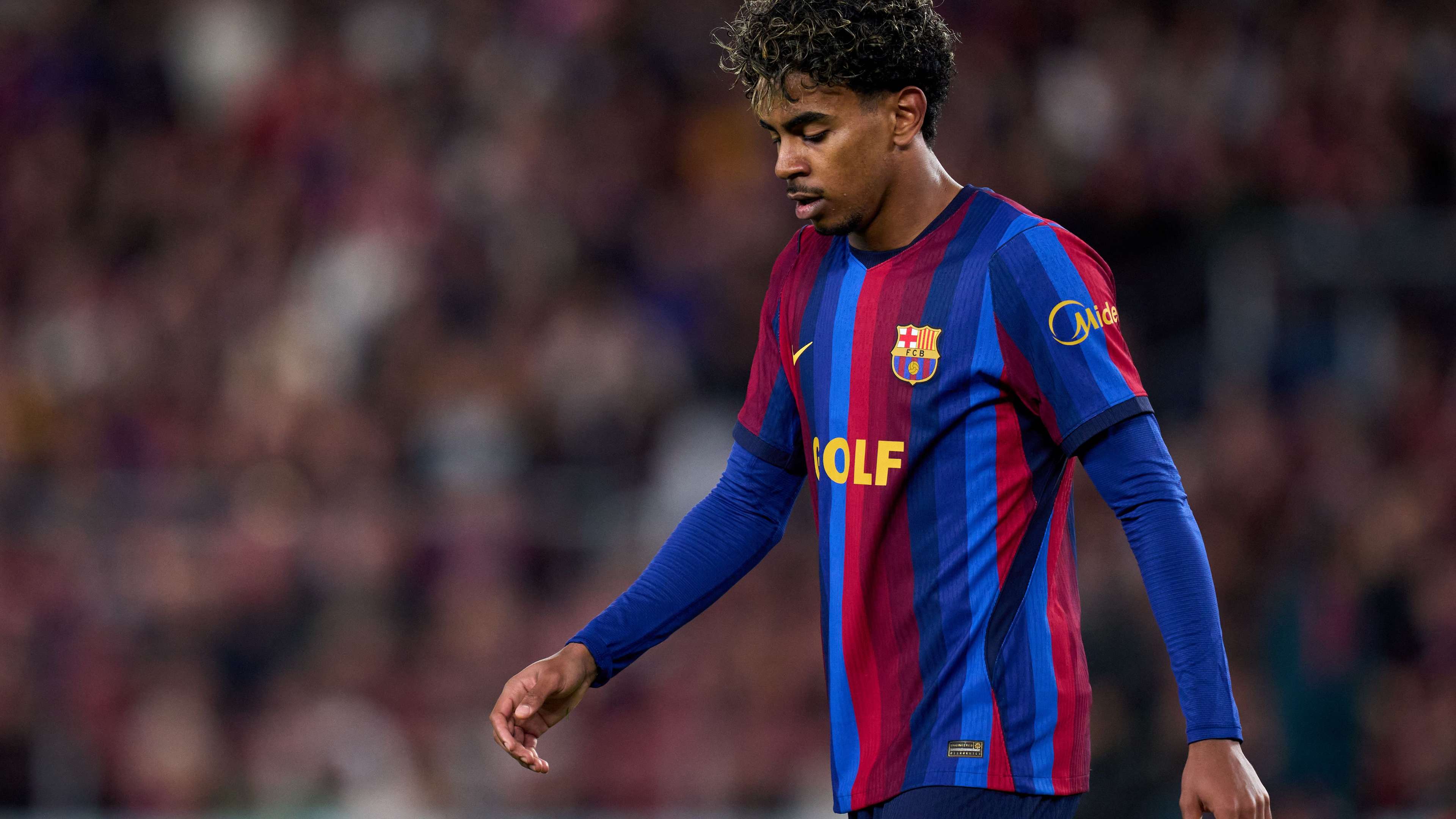
Yamal’s position near the top of the ranking is itself a significant achievement. The Barcelona talent has attracted attention for his creativity, composure and ability to influence matches despite his age. His rise has made him one of the most discussed young players in football, and that attention naturally brings expectations that can be difficult to manage.
His father’s reaction reflects the emotions that often surround individual awards. Supporters tend to judge a ballot through the performances and players they value most, while those close to a nominee may see a lower ranking as a failure to recognise his contribution. Yet a third-place finish also places Yamal among the leading figures in the game and gives him a platform to build on in future seasons.
For Barcelona, his recognition reinforces the club’s confidence in a player who has quickly become central to its sporting future. For rival supporters, the debate offers another point of comparison with Mbappé and other elite forwards. That rivalry can fuel interest, but it can also make objective discussion harder when every ranking is interpreted as a statement about a club or fan base.
What to watch in future Ballon d’Or predictions
Any prediction for the next Ballon d’Or will depend on more than reputation. Voters will be influenced by the quality and consistency of performances, the importance of decisive matches, team achievements and the strength of each candidate’s case over the full voting period. Injuries, major international competitions and late-season form can all change the picture.
The continuing argument over the “Real Madrid shirt” is therefore about more than Mbappé’s placement. It reflects a broader question about how football’s most prestigious individual award should measure greatness in a sport built around teams. Nasraoui has made his position clear: he believes Yamal deserved more and that club identity may have affected the result. Whether voters agree, the discussion highlights why Ballon d’Or outcomes remain a source of intense debate—and why every future ranking is likely to be examined as closely as the performances themselves.