
Lamine Yamal’s Betis Flashpoint Raises Questions Ahead of Barcelona’s Clasico
Barcelona’s 5-2 victory over Real Betis delivered plenty of attacking highlights, but a heated on-field confrontation involving Lamine Yamal briefly threatened to overshadow the result. The teenage forward was involved in a physical exchange with Facundo Bernal after tensions rose late in the match, prompting coach Hansi Flick to substitute him before the situation could escalate further.
The incident was especially significant because Yamal had already received a yellow card and Barcelona’s next major test was approaching: a La Liga Clasico against Real Madrid. The episode did not change the outcome against Betis, but it offered a reminder that managing emotion can be as important as producing moments of brilliance in high-pressure football.
How the confrontation unfolded
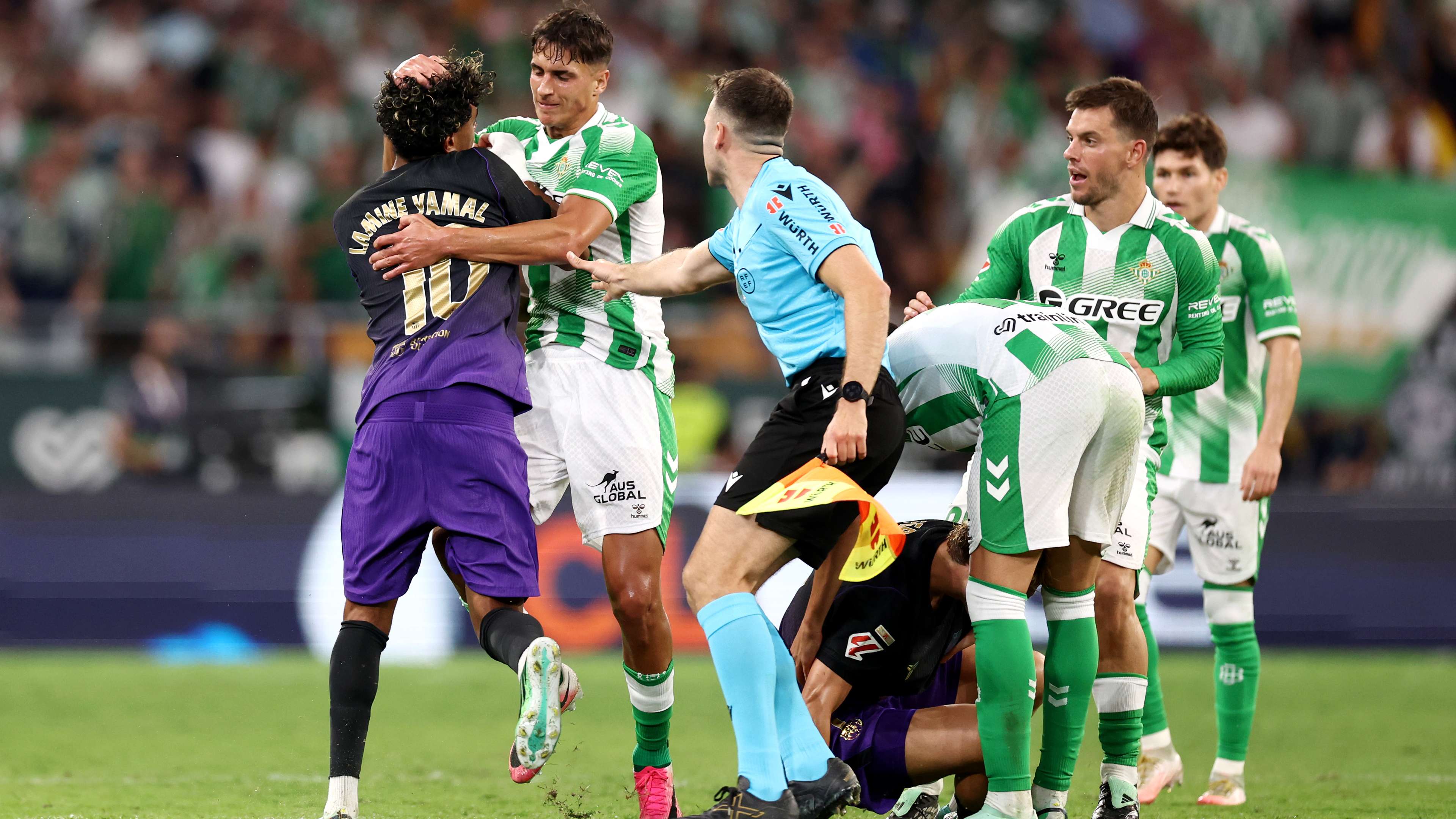
The flashpoint came after Abde Ezzalzouli scored to make the score 3-2, giving Betis renewed hope of getting back into the contest. During the aftermath of an earlier clash, Fermín López went to ground, and Yamal moved over to check on his Barcelona team-mate. Valles then stepped in and helped López to his feet.
As the players gathered, Yamal pushed Valles aside. Bernal responded by shoving the young Barcelona attacker, who pushed back with greater force. The exchange quickly became more volatile, with Bernal appearing to direct two headbutts towards Yamal as teammates and opponents converged around them.
In a match already charged by the scoreline and the growing pressure of the closing stages, the confrontation could have developed into a more serious disciplinary issue. Yamal was on a booking, so another infringement risked leaving Barcelona with ten players. The consequences might have been particularly costly with the Clasico on the horizon.
A booking made the moment more dangerous
Yamal’s reaction came at a time when Barcelona needed to protect both their lead and their squad. A second yellow card would have meant an immediate dismissal, while any incident judged to involve serious misconduct could potentially have attracted further scrutiny. The exact outcome would have depended on the referee’s assessment and the match report, but the risk was clear.
That uncertainty is part of what made the scene so uncomfortable for Barcelona supporters. A player’s instinct to defend a team-mate is understandable, yet responding physically can leave a side exposed. In elite football, a few seconds of frustration can affect not only one match but also availability for the fixtures that follow.
Flick and Raphinha act to calm Yamal
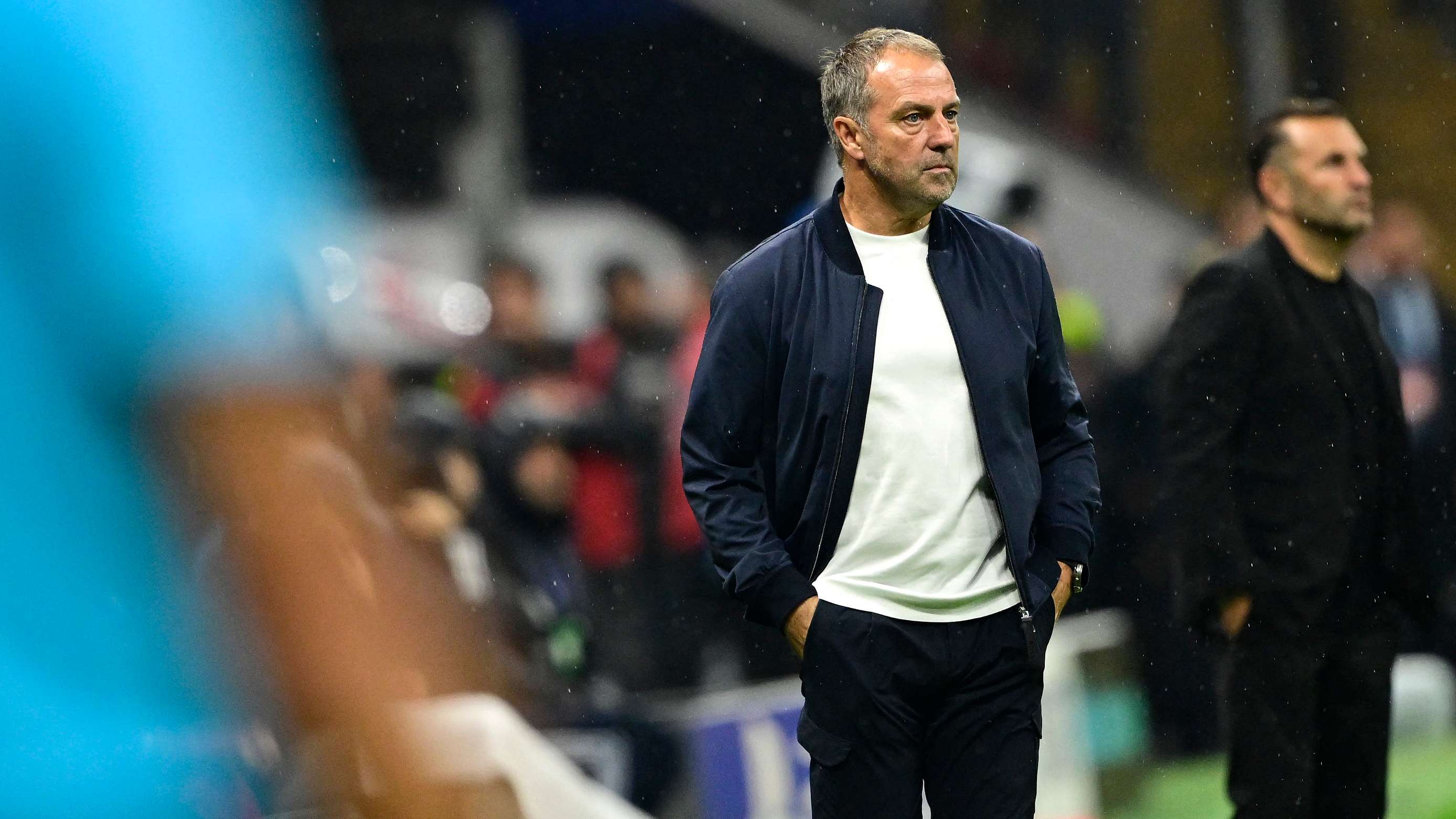
Flick reacted by taking Yamal off, removing him from the tense atmosphere before the situation could worsen. Raphinha was also seen urging his team-mate to leave the pitch quickly. Flick then held Yamal near the touchline and appeared to speak quietly to him, seemingly trying to settle him and explain the decision.
It was not the first time this season that Flick had substituted Yamal as part of his management of the young player’s workload. He had also rested him in matches against Elche and Levante. In this case, however, the change appeared to have an immediate disciplinary and emotional purpose as well as a tactical one.
Taking off a star attacker can be a difficult call, particularly when a match remains competitive. But Barcelona’s coaching staff had to weigh Yamal’s attacking value against the possibility that the confrontation might lead to a dismissal. Flick’s intervention helped bring the episode to a close without further disruption.
Yamal’s quality was still clear in the 5-2 win
The altercation should be considered alongside Yamal’s strong contribution to Barcelona’s performance. He produced the kind of technical quality that has made him one of the team’s most influential attacking players, including a memorable opening goal and an assist for Gabriel Jesus. His movement, close control and ability to create danger in one-on-one situations gave Betis persistent problems.
That contrast—exceptional skill on the ball alongside a moment of visible frustration—captures a challenge often faced by young players who become central figures at a major club. Yamal is expected to make decisive contributions while also coping with intense attention from opponents, supporters and the media. The pressure can rise further when a match becomes emotionally charged.
Composure is part of a young player’s development
Yamal has previously faced criticism and provocation in high-profile settings. Reactions to his style of play and celebrations have added to the scrutiny surrounding him, including during earlier matches at the Sánchez-Pizjuán and La Cartuja. Such moments can test a player’s patience, especially when he feels that opponents or spectators are targeting him.
Still, emotional control is a skill that develops alongside technical ability. For a forward who attracts close marking and frequent challenges, learning when to walk away, seek the referee’s protection or let teammates intervene can be crucial. It is not simply about avoiding cards: staying composed helps preserve concentration and keeps a team’s tactical plan intact.
Why the Clasico context matters
Barcelona’s meeting with Real Madrid is one of the defining fixtures of the La Liga calendar, and every squad decision attracts extra attention in the build-up. Yamal’s importance to Barcelona means his fitness, availability and state of mind are likely to be closely watched. The Betis incident made the stakes feel even sharper, although Flick’s substitution helped prevent the confrontation from becoming a more serious problem on the night.
For supporters considering a football prediction ahead of the Clasico, Yamal’s attacking form remains an important factor—but so does the way Barcelona manage the pressure around him. His ability to create goals can change a game, while discipline and composure will help ensure he can influence the match for as long as possible.
Barcelona left the Betis match with a convincing 5-2 win and a reminder of both Yamal’s match-winning potential and the demands placed on him. The young star’s talent is already unmistakable. The next stage of his development will involve combining that creativity with calm decision-making when opponents, stakes and emotions are all running high.