
Spanish Observatory Reveals Alarming Rise in Hate Speech During World Cup
The Spain national team’s triumph in the latest World Cup was marred by a disturbing trend of hate speech directed towards players of diverse ethnic backgrounds. The Spanish Observatory on Racism and Xenophobia recorded nearly 55,000 hate messages on social media during the tournament, with a significant portion targeting players from the France national team and Spanish star Lamine Yamal.
Exploitation of Major Sporting Events for Racial Prejudice
According to Spain’s Ministry of Inclusion, Social Security, and Migration, over half of the hate messages recorded between June 11 and July 21 were linked to the World Cup. This revelation sheds light on how major sporting events can be exploited to spread racial prejudice and exclusionary rhetoric.
Lamine Yamal, a player of Spanish, Moroccan, and Equatorial Guinean descent, faced a barrage of discriminatory comments about his origins and identity. Similarly, the France national team was targeted for having players of foreign origin or descent, sparking organized racist attacks across social media platforms.
Heightened Hostility During the World Cup Final
The tensions peaked during the World Cup final between Spain and Argentina, leading to a dangerous escalation in hate speech. Attacks against Hispanic Americans accounted for 15% of the total hate messages, with a noticeable intensification during the decisive match, highlighting the correlation between verbal violence and major sporting events.
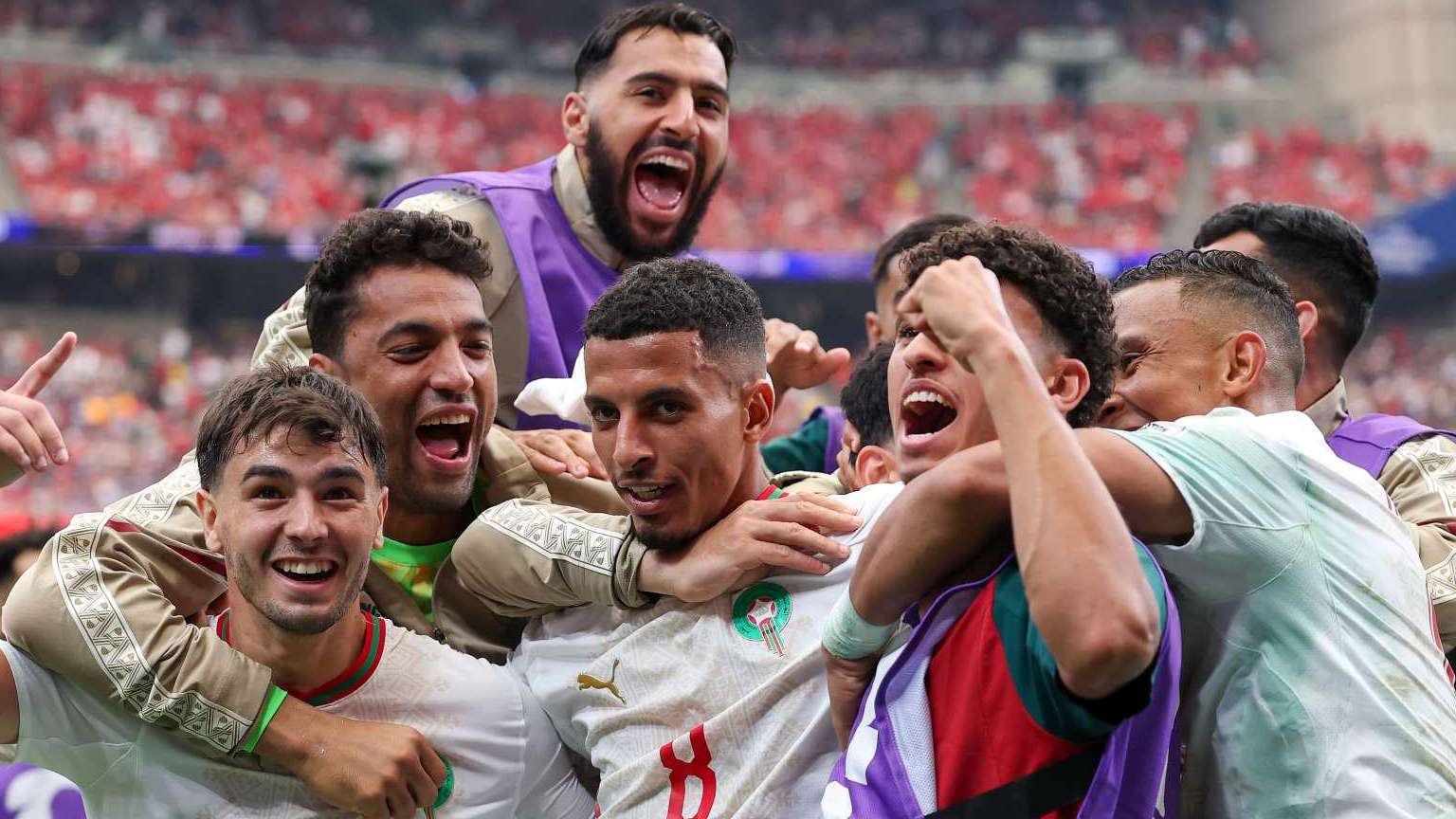
North African populations bore the brunt of the hate speech, with 66% of the messages directed towards them, particularly in relation to the Morocco national team. Additionally, 13% of the reported content targeted Muslims, perpetuating stereotypes and exclusionary discourse based on religious and ethnic identities.
Disturbing Trends in Digital Hate Speech
The report revealed that 74% of the messages contained content attacking the dignity of targeted groups by dehumanizing them, with half using explicitly violent language. Furthermore, 14% of the messages called for direct aggression, indicating a concerning rise in digital hate speech.
According to the observatory, migrants and people of foreign origin were often labeled as a “burden” or “backwardness” on society in 40% of the discourse. Additionally, 15% of the messages called for the expulsion of these citizens from Spanish territory, reflecting exclusionary rhetoric that extends beyond sporting criticism to direct racist incitement.
As authorities grapple with the repercussions of this surge in hate speech, it is evident that more needs to be done to combat racism and xenophobia in the realm of sports. The alarming trend exposed during the World Cup serves as a stark reminder of the pervasive nature of discrimination and the urgent need for collective action to address it.
Impact on Players and Communities
The rise in hate speech during the World Cup not only affects the targeted players but also has broader implications for the communities they represent. Players like Lamine Yamal, who are proud of their diverse heritage, should not have to endure such discriminatory attacks. This kind of toxic behavior can have a lasting impact on individuals and their sense of belonging in society.
Furthermore, the communities of these players, both in Spain and abroad, are also affected by the spread of hate speech. It can create a hostile environment for individuals of diverse backgrounds, perpetuating stereotypes and fostering division within society. By targeting specific groups based on their ethnicity, race, or religion, hate speech undermines the principles of inclusivity and diversity that sports should promote.
Role of Social Media Platforms
Social media platforms have become a breeding ground for hate speech, allowing individuals to spread harmful messages anonymously and without consequences. The rise in digital hate speech during the World Cup highlights the need for stricter regulations and enforcement measures by these platforms to curb such behavior.
Platforms like Twitter, Facebook, and Instagram must take proactive steps to monitor and remove hate speech in real-time, ensuring that users are held accountable for their harmful actions online. Additionally, educating users about the impact of hate speech and promoting positive discourse is essential in fostering a more inclusive and respectful online environment.
Building a Culture of Respect in Sports
Addressing hate speech in sports requires a multi-faceted approach that involves players, fans, sports organizations, and government authorities. Promoting diversity and inclusivity within sports can help combat discriminatory attitudes and create a culture of respect and tolerance.
Players and teams can use their platforms to speak out against hate speech, advocating for unity and acceptance. Fans can also play a role by challenging discriminatory behavior and fostering a welcoming atmosphere at sporting events. Sports organizations need to implement clear policies against hate speech and provide training on diversity and inclusion to their members.
Collaborative Efforts to Combat Hate Speech
Collaboration between different stakeholders is crucial in combating hate speech in sports. Government authorities, non-profit organizations, sports federations, and media outlets can work together to raise awareness about the harmful effects of hate speech and promote positive messaging in the sporting world.
By launching campaigns, hosting workshops, and engaging with the public, these entities can create a united front against hate speech and discrimination. Through collective action and a commitment to fostering a culture of respect, the sports community can lead by example in promoting inclusivity and diversity.
In conclusion, the alarming rise in hate speech during the World Cup serves as a wake-up call for society to address the deep-rooted issues of racism and xenophobia. By recognizing the harmful effects of hate speech, taking proactive measures to combat it, and fostering a culture of respect in sports, we can create a more inclusive and welcoming environment for all individuals, regardless of their background or identity.