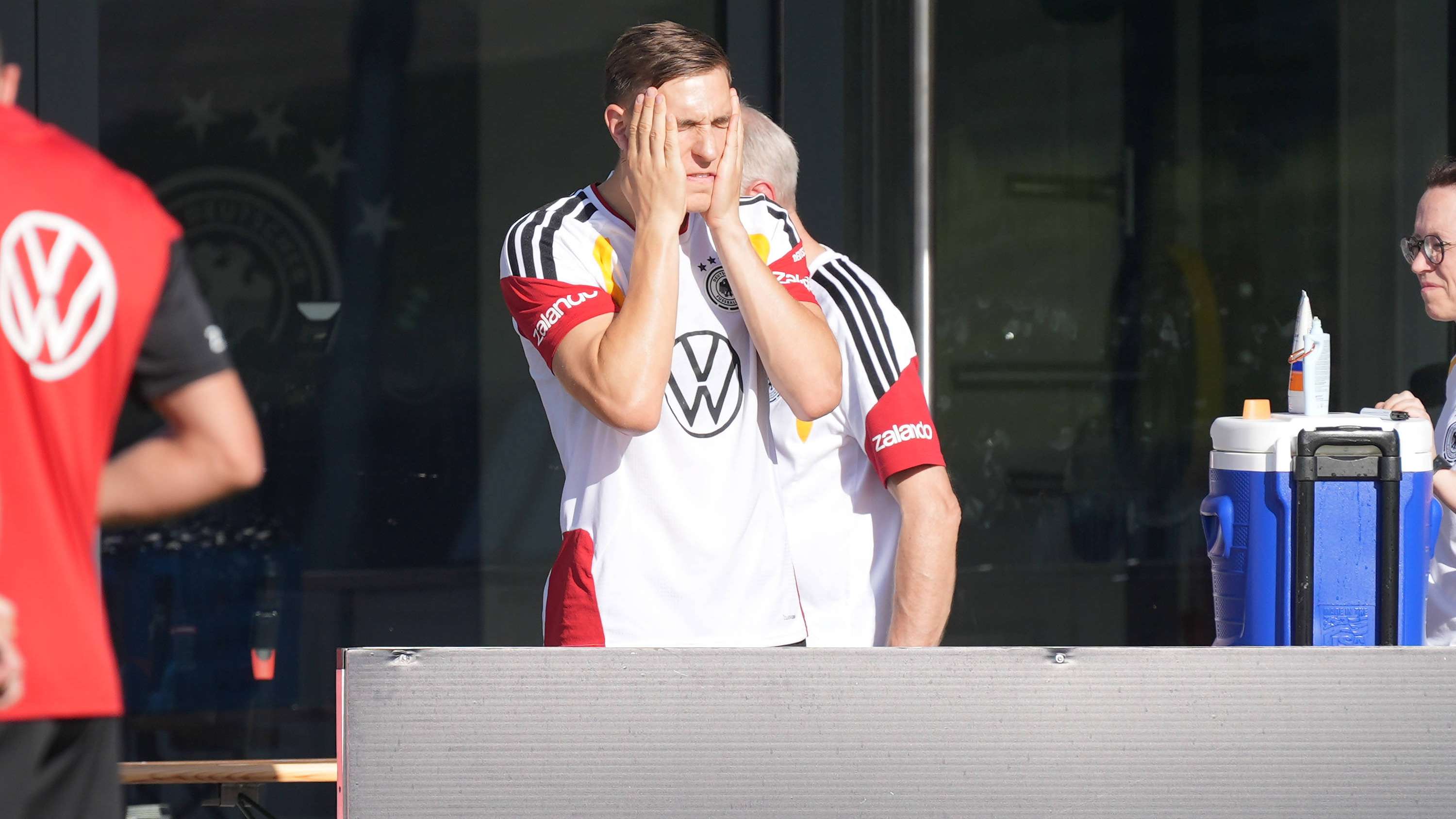

Manuel Neuer Error Gives Augsburg Record-Breaking Start Against Bayern Munich
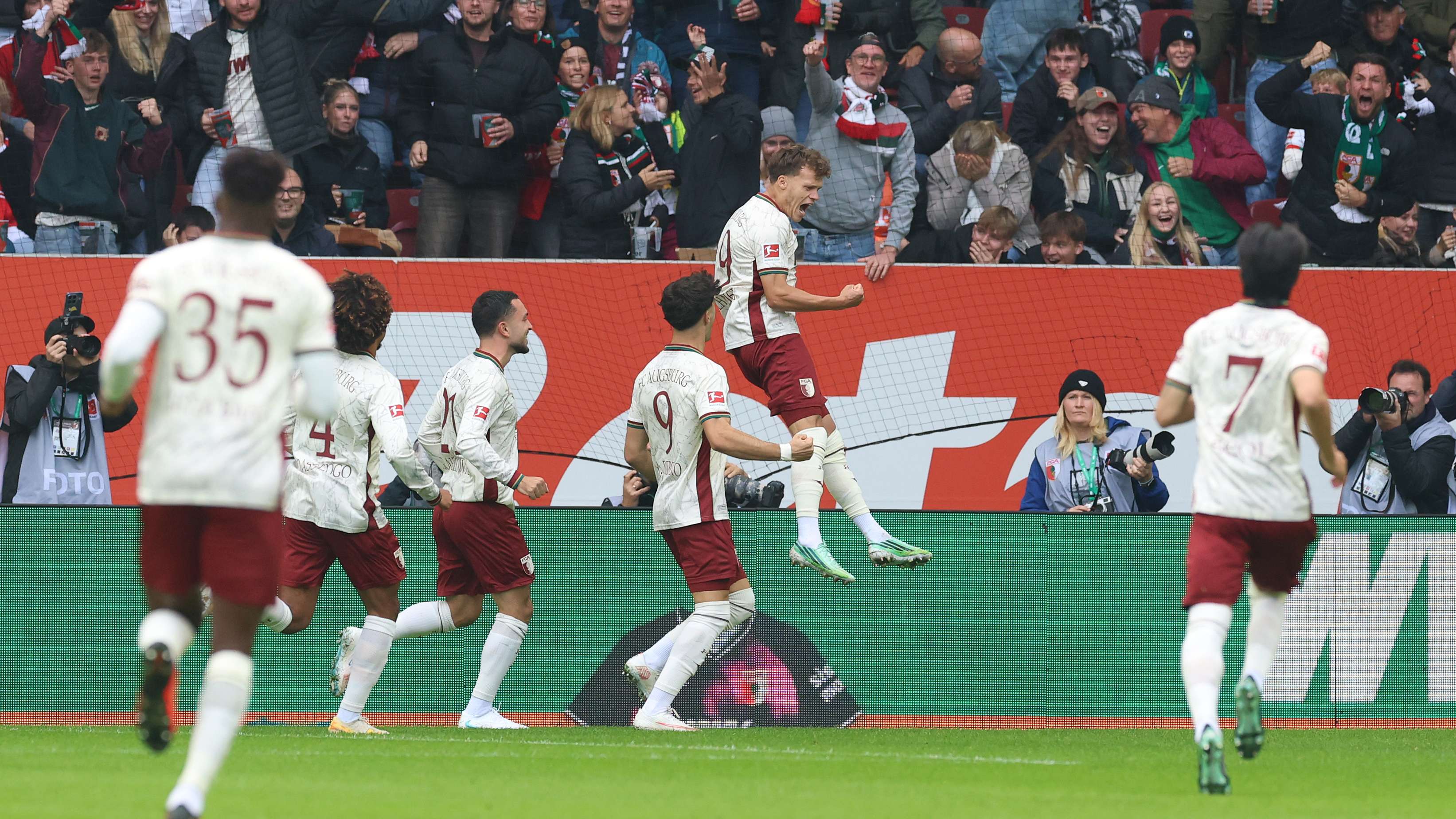
Bayern Munich’s Bundesliga trip to Augsburg began with a moment few supporters could have predicted. Just eight seconds after kick-off, goalkeeper Manuel Neuer’s costly mistake allowed Robin Fellhauer to score, giving the hosts the fastest goal in the German league’s 63-year history.
The astonishing opening stunned the visitors and immediately changed the mood of a match carrying important implications in the Bundesliga title race. Bayern had arrived hoping to take advantage of Borussia Dortmund dropping points, but instead found themselves behind before they had time to settle into the contest.
How Augsburg scored after just eight seconds
The goal came from a routine-looking sequence that turned into a nightmare for Bayern. After kick-off, Luis Díaz rolled the ball back towards Neuer, as teams commonly do to begin building possession from the back. But the pass ran awkwardly away from the goalkeeper’s foot, leaving him under immediate pressure.
Neuer attempted to recover by playing the ball out, but his action gave Fellhauer the opportunity he needed. The Augsburg player reacted quickly, closed down the goalkeeper, took control and calmly rolled the ball into the unguarded net. The finish was simple; the circumstances that created it were extraordinary.
For Augsburg, the strike provided an instant lift and a memorable start against one of Germany’s biggest clubs. For Bayern, it was a sharp reminder of the risks involved in playing out from the back. A misplaced touch or poorly controlled pass can become dangerous when an opponent presses aggressively from the first whistle.
A new record in Bundesliga history
Fellhauer’s goal was timed at eight seconds, breaking the previous Bundesliga record of nine seconds. That mark had been jointly held by Kevin Volland and Karim Bellarabi, whose goals came in separate matches against prominent opposition.
Volland scored for Hoffenheim against Bayern on 22 August 2015, with Neuer also in goal that day. Bellarabi set the same nine-second benchmark for Bayer Leverkusen against Borussia Dortmund on 23 August 2014. More than a decade later, Fellhauer moved ahead of both players with a strike that will be remembered as one of the competition’s most remarkable opening moments.
The record adds an unusual twist to Neuer’s personal history with the Bundesliga’s fastest goals. He was on the wrong end of Volland’s previous record-setting effort and again found himself involved when the benchmark was surpassed. Still, the responsibility for Augsburg’s goal rested on the immediate sequence: a back-pass, an unsteady touch and Fellhauer’s alert response.
Why the opening goal mattered in the title race
The match carried significance beyond the record. Bayern entered the fixture looking to close the gap on Borussia Dortmund, who had drawn 2-2 with Werder Bremen on Friday. Dortmund’s dropped points gave their rivals a chance to make progress in the standings, with the teams separated by three points before Bayern’s meeting with Augsburg.
That context made the early setback particularly frustrating for the visitors. Bayern had an opportunity to respond to Dortmund’s result, but conceding so quickly forced them to approach the game from behind. An early goal can influence more than the scoreboard: it can encourage the leading team, disrupt the opposition’s planned rhythm and place extra pressure on the side expected to dominate possession.
For Augsburg, the goal offered a chance to build confidence and make Bayern work for control. A team facing a title contender may look to defend compactly, press at selected moments and exploit any space left behind. Scoring almost immediately can strengthen that approach, although maintaining concentration for the remainder of the match is just as important.
What the goal says about modern football
The incident also highlighted how quickly the demands of modern football can punish a mistake. Many leading teams rely on their goalkeeper to act as an additional passing option, helping them move the ball forward under pressure. That approach can create numerical advantages in possession, but it requires precise communication, clean technique and awareness of nearby opponents.
When those details go wrong, the goalkeeper may have little time to recover. Fellhauer’s quick press was central to the goal: he recognised the loose ball immediately and acted before Bayern could reorganise. The record-breaking finish was therefore not only a product of Neuer’s error, but also of Augsburg’s sharp anticipation.
For supporters following the fixture, the opening moments offered a striking example of how unpredictable football can be. Bayern were expected to control the match, yet a single imperfect touch changed the score before either side had established its shape. That unpredictability is part of what makes Bundesliga football compelling, particularly when title pressure and individual records collide.
Match prediction and the road ahead
Any prediction after such an explosive start had to account for two competing possibilities. Bayern’s quality and experience made them capable of responding, while Augsburg’s early advantage gave the hosts a platform to defend and threaten on the counter. The key questions were whether Bayern could restore composure and whether Augsburg could turn its historic start into sustained control.
Neuer’s mistake was likely to attract attention, but the wider test for Bayern was how the team reacted. Strong sides are often judged not only by how they avoid setbacks, but by how quickly they recover from them. A calm response, improved ball security and more effective pressure in the attacking third would be essential if the visitors were to turn the game around.
Whatever followed, Fellhauer’s goal had already secured a place in Bundesliga history. Scored after only eight seconds, it surpassed the previous nine-second record and gave Augsburg a dramatic opening against Bayern Munich. In a match shaped by the title race, the goal delivered an unforgettable reminder that in football, even the most carefully planned contest can change in an instant.