
Patrice Motsepe Responds to Request for Increase in CAF Champions League Clubs
Egyptian Federation Calls for Expansion
The president of the Confederation of African Football (CAF), Patrice Motsepe, has addressed the recent request from the Egyptian Football Federation to increase the number of clubs in the CAF Champions League. The request, submitted by Hany Abo Rida, president of the Egyptian Football Association, aims to reserve three spots for Egyptian teams instead of the current two.
As the league champions, Zamalek, and runners-up Pyramids are set to represent Egypt in the upcoming season of the CAF Champions League. However, the Egyptian Federation is pushing for an expansion of the competition to allow for the inclusion of an additional club.
Motsepe’s Response
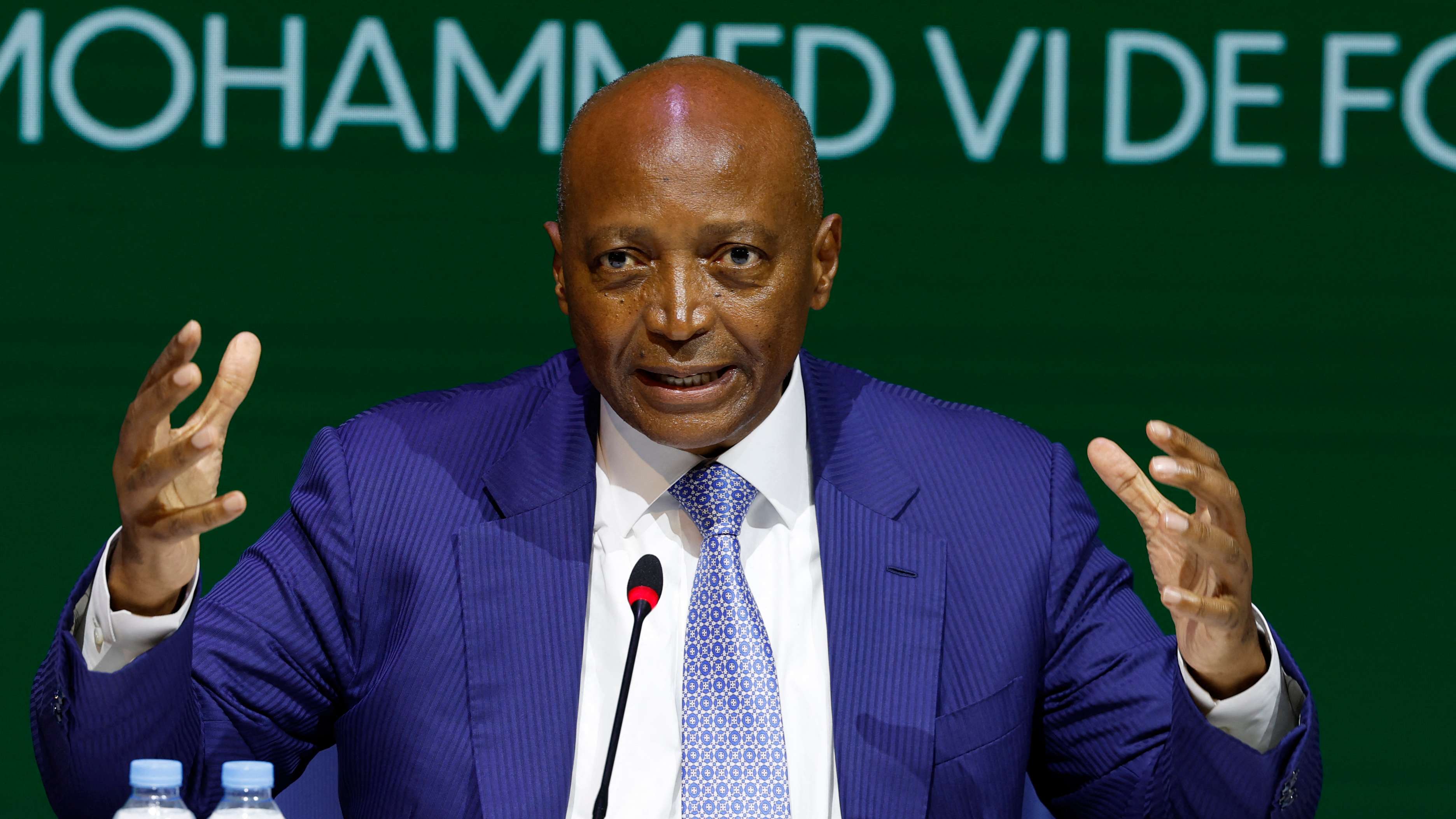
During a press conference on Wednesday, Motsepe addressed the ongoing debate over the potential increase in the number of clubs in the CAF Champions League. When questioned about the possibility of expanding the competition, Motsepe stated, “When we receive any request, we study it with the senior and specialized bodies within CAF.”
While Motsepe acknowledged that the decision has been under consideration, he emphasized that any changes to the current format of the CAF Champions League would need to be approved by the senior bodies within the organization, who are currently reviewing the proposal.
Implications of the Proposed Expansion
If the request from the Egyptian Federation is approved, it could have significant implications for the CAF Champions League and the participating teams. With an additional spot reserved for Egyptian clubs, there would be more opportunities for teams from the country to compete at the continental level.
Expanding the number of clubs in the competition could also lead to a more diverse and competitive tournament, with teams from across Africa vying for the prestigious title of CAF Champions League winners. This could potentially attract a wider audience and generate more interest in African football on the global stage.
Looking Ahead
As discussions continue within CAF regarding the potential expansion of the CAF Champions League, stakeholders, including football fans and officials, eagerly await the final decision. The outcome of these deliberations could shape the future of African club football and have a lasting impact on the continental competition.
Stay tuned for updates on this developing story as CAF moves forward with its review of the request from the Egyptian Federation regarding the number of clubs in the CAF Champions League.
The Importance of Inclusion and Representation in African Football
Expanding the number of clubs in the CAF Champions League could be seen as a step towards greater inclusion and representation within African football. By providing more opportunities for clubs from countries like Egypt to participate in the competition, CAF can promote diversity and ensure that a wider range of teams have the chance to showcase their talent on the continental stage.
Increased representation in the CAF Champions League could also have broader implications for the development of football in Africa. By allowing more clubs to compete in the tournament, CAF can foster a more competitive environment that encourages growth and improvement in the quality of play across the continent. This, in turn, could help raise the profile of African football and attract more investment and interest from fans and stakeholders worldwide.
Balancing Tradition with Innovation
While the proposal to expand the number of clubs in the CAF Champions League represents a push for innovation and progress within African football, it also raises questions about how to balance tradition with the need for change. The current format of the competition has been in place for years, with two slots reserved for Egyptian clubs. Any modifications to this structure must be carefully considered to ensure that the integrity and history of the tournament are preserved while also allowing for growth and evolution.
By engaging in discussions and consultations with stakeholders, CAF can navigate the complexities of introducing changes to the CAF Champions League in a way that respects the diverse perspectives and interests of all parties involved. Finding a balance between tradition and innovation will be key to ensuring that any adjustments to the competition are successful and sustainable in the long run.
Raising the Profile of African Football Globally
As CAF deliberates on the potential expansion of the CAF Champions League, the decision-making process not only impacts the participating clubs and fans within Africa but also has the potential to raise the profile of African football on a global scale. By creating a more competitive and inclusive tournament, CAF can showcase the talent and passion for the sport that exists across the continent, attracting new audiences and opportunities for partnerships and collaborations with international leagues and organizations.
Expanding the CAF Champions League could open up new avenues for African clubs to compete against top teams from other regions, fostering a spirit of sportsmanship and camaraderie that transcends borders and unites fans from around the world. This increased visibility and engagement with the global football community could help elevate African football to new heights and position the continent as a powerhouse in the sport.
Conclusion
As the debate over the potential expansion of the CAF Champions League continues, it is clear that the decision will have far-reaching implications for African football and the continent’s representation in the global sports arena. By considering the diverse perspectives and interests of all stakeholders, CAF can make informed decisions that support the growth and development of the sport while preserving its rich history and traditions.
As fans eagerly await updates on the outcome of the discussions within CAF, one thing is certain – the potential expansion of the CAF Champions League represents a significant opportunity to promote inclusivity, foster innovation, and raise the profile of African football on the world stage.