
Munich’s Allianz Arena to Host the 2028 Champions League Final: What It Means for Football Fans and Predictions
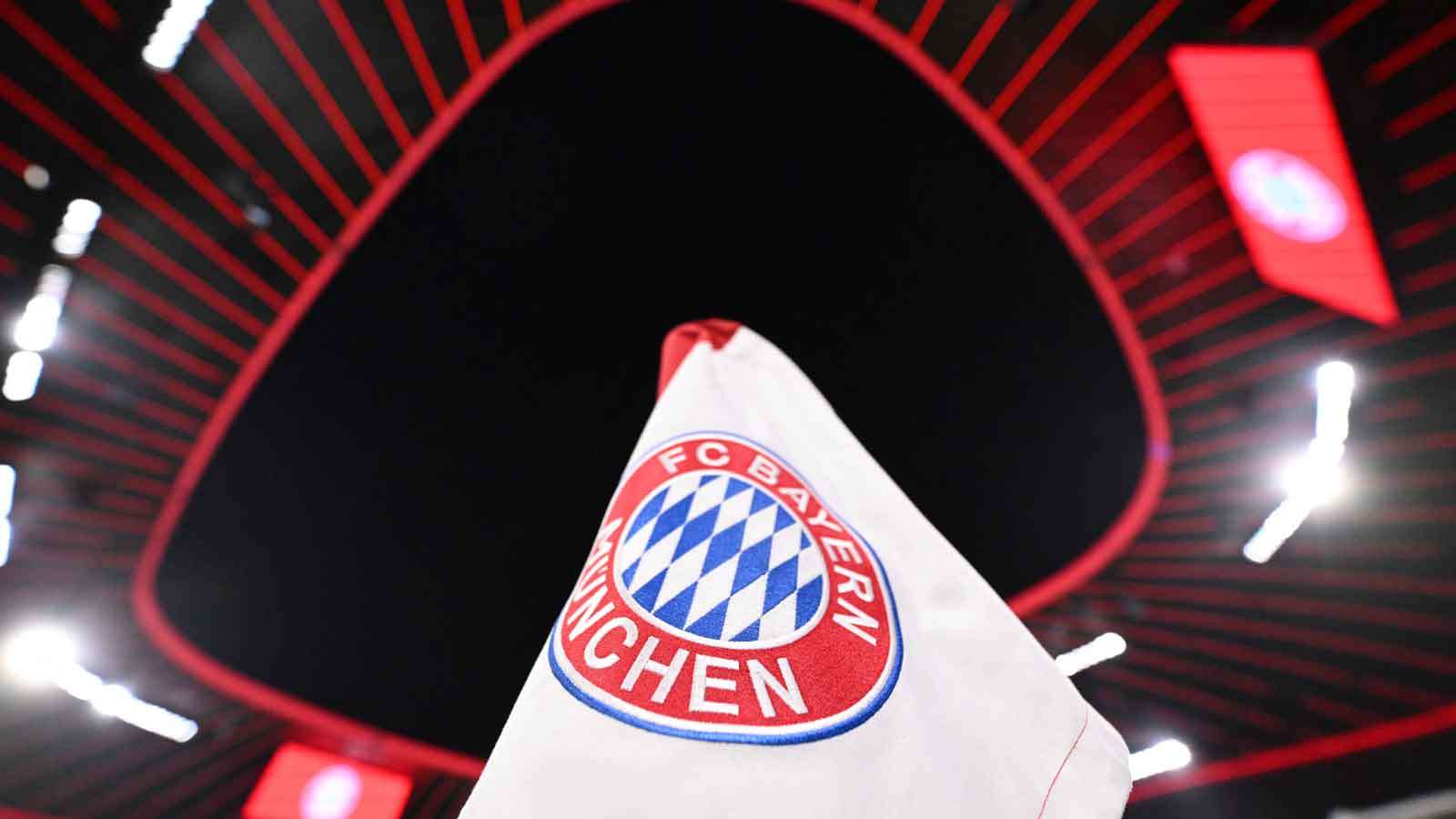
In a move that has stirred excitement among football enthusiasts worldwide, UEFA has officially announced that the iconic Allianz Arena in Munich will once again host the prestigious Champions League final in 2028. This decision, made over a year after the last final held at the venue, underscores Munich’s enduring significance in European football and highlights the city’s reputation as a hub for top-tier sporting events.
Revisiting a Legendary Venue: Munich’s Rich Champions League History
Munich’s Allianz Arena isn’t a stranger to the grandeur of the Champions League final. The stadium has hosted this elite competition on five previous occasions, including the memorable 2012 final when Bayern Munich faced Chelsea in a dramatic penalty shootout. Fans may recall that Bayern’s 2025 appearance at the Allianz Arena was also a significant chapter in the club’s storied history. The upcoming 2028 final marks the sixth time Munich will welcome Europe’s most coveted football trophy.
The city’s deep-rooted football culture, coupled with its world-class infrastructure, makes Munich a natural choice for UEFA’s marquee event. As Jan-Christian Dreesen, Bayern Munich’s CEO, aptly put it, “The Allianz Arena, Bayern Munich, and Munich stand for international appeal, genuine hospitality, and the highest organizational quality. UEFA recognizes this and consistently chooses Munich as a destination for football’s greatest night.”
Why Is Munich Hosting the Champions League Final Again So Soon?
The decision to bring the final back to Munich less than three years after the last edition might seem surprising at first glance. However, there are strategic reasons behind this choice. UEFA aims to ensure that the event takes place in stadiums that meet strict technical and capacity standards, and few venues in Europe can match the Allianz Arena’s specifications.
Currently, the Allianz Arena is the only stadium that has officially bid to host the 2028 final. Its reputation for excellent pitch quality, modern amenities, and capacity of approximately 75,000 seats makes it an ideal candidate. The stadium’s unique architectural design and passionate football culture also contribute to its appeal. The 2027 final is scheduled to be held at Madrid’s Wanda Metropolitano, which has also previously hosted the event in 2019, emphasizing the strategic rotation among Europe’s top football venues.
The Criteria for Hosting a Champions League Final: What Makes a Perfect Venue?
Hosting a Champions League final isn’t just about having a large stadium. UEFA has a comprehensive set of criteria designed to ensure the event’s success, including:
- Natural Grass Pitch: The pitch must be natural grass, measuring precisely 105 by 68 meters, ensuring optimal playing conditions for the world’s best footballers.
- Capacity Requirements: A minimum capacity of 70,000 seats is mandated, with UEFA allowing a 10% margin, which reduces the minimum to approximately 63,000 seats.
- Infrastructure and Accessibility: The stadium’s proximity to major airports, quality hotel accommodations, and excellent transport links are crucial. These factors facilitate the influx of thousands of international fans, media, and officials.
- Facilities and Amenities: Modern hospitality suites, media zones, VIP boxes, and fan zones are essential components of a top-tier venue.
Out of the more than 200 stadiums across Europe, only around 22 currently meet these stringent criteria, making the selection process highly competitive and strategic.
Upcoming Final Venues in Europe: A Brief Overview
While Munich is set to host in 2028, other notable venues in Europe are vying for the privilege in upcoming years. Here’s a quick look at some of the key contenders:
2029: Barcelona’s Camp Nou and Madrid’s Estadio Santiago Bernabéu
The legendary Camp Nou in Barcelona is nearing the completion of extensive redevelopment work, which has delayed its bid for hosting the final. Once finished, its massive capacity and iconic status will make it a top candidate for the 2029 final. Meanwhile, Madrid’s Santiago Bernabéu, one of Europe’s most famous stadiums, has recently undergone a major modernization, making it a strong contender, although its long-standing rivalry with UEFA, fueled by the Super League controversy, adds a layer of complexity to its candidacy.
Other Notable Venues: Dortmund, Lisbon, and Berlin
Dortmund’s Signal Iduna Park is reportedly considering a bid for a future final after 2029, especially given its passionate fanbase and modern facilities. Lisbon’s Estádio da Luz, which hosted the final in 2020, is lauded for its vibrant atmosphere and strategic location, making it a perennial favorite. Berlin’s Olympic Stadium has also been a venue in the past and continues to be a potential host due to its large capacity and central European location.
Conversely, stadiums like Manchester’s Old Trafford, Cardiff’s Millennium Stadium, and Baku’s National Stadium are less ideal due to factors such as infrastructure limitations and capacity constraints. The same applies to historic venues like Rome’s Stadio Olimpico and Athens’ Olympic Stadium, which lack the modern amenities now required for hosting such a high-profile event.
Implications for Football Prediction and Fan Engagement
The selection of Munich for the 2028 Champions League final has significant implications for football prediction models and betting markets. As fans and analysts analyze team form, squad strength, and tactical trends, the venue’s influence on match outcomes cannot be underestimated.
Football predictions often consider factors such as pitch familiarity, travel logistics, and crowd support—all of which are enhanced in a stadium like the Allianz Arena. With its passionate fanbase and modern facilities, the venue is expected to create an electrifying atmosphere, potentially tipping the scales in favor of the home team or favoring teams with strong defensive and tactical setups.
Moreover, the event’s timing and location will influence betting strategies. Fans and bettors alike will scrutinize team performances in similar conditions and forecast potential match scenarios, contributing to a vibrant and dynamic prediction landscape.
The Future of Football in Europe: A Continual Evolution
The upcoming Champions League finals, including the 2028 event in Munich, exemplify the evolving landscape of European football. As stadiums are upgraded or newly built, and UEFA refines its criteria for hosting, the competition continues to grow in prestige and global appeal.
For fans, this means more thrilling predictions, intense rivalries, and unforgettable moments. For clubs and cities, hosting the final is a chance to showcase their footballing credentials and hospitality excellence. As Munich prepares to welcome the world once again, the anticipation for the 2028 final is already building, promising a spectacular conclusion to Europe’s premier football competition.
Conclusion: Munich’s Return and the Future of Champions League Football
In summary, the decision to award Munich’s Allianz Arena the 2028 Champions League final underscores the city’s stature as a football powerhouse. With its rich history, exceptional infrastructure, and passionate fanbase, Munich stands ready to host another unforgettable night of football. For fans and prediction enthusiasts alike, this event promises to be a season-defining moment, fueling debates, predictions, and excitement across the globe.
As the countdown to 2028 begins, all eyes will be on the evolving landscape of European stadiums, the shifting dynamics of football prediction markets, and the thrill of witnessing history in the making at one of Europe’s most iconic venues.