
Unai Emery explains early exit after Aston Villa’s dramatic 4-4 draw at Old Trafford
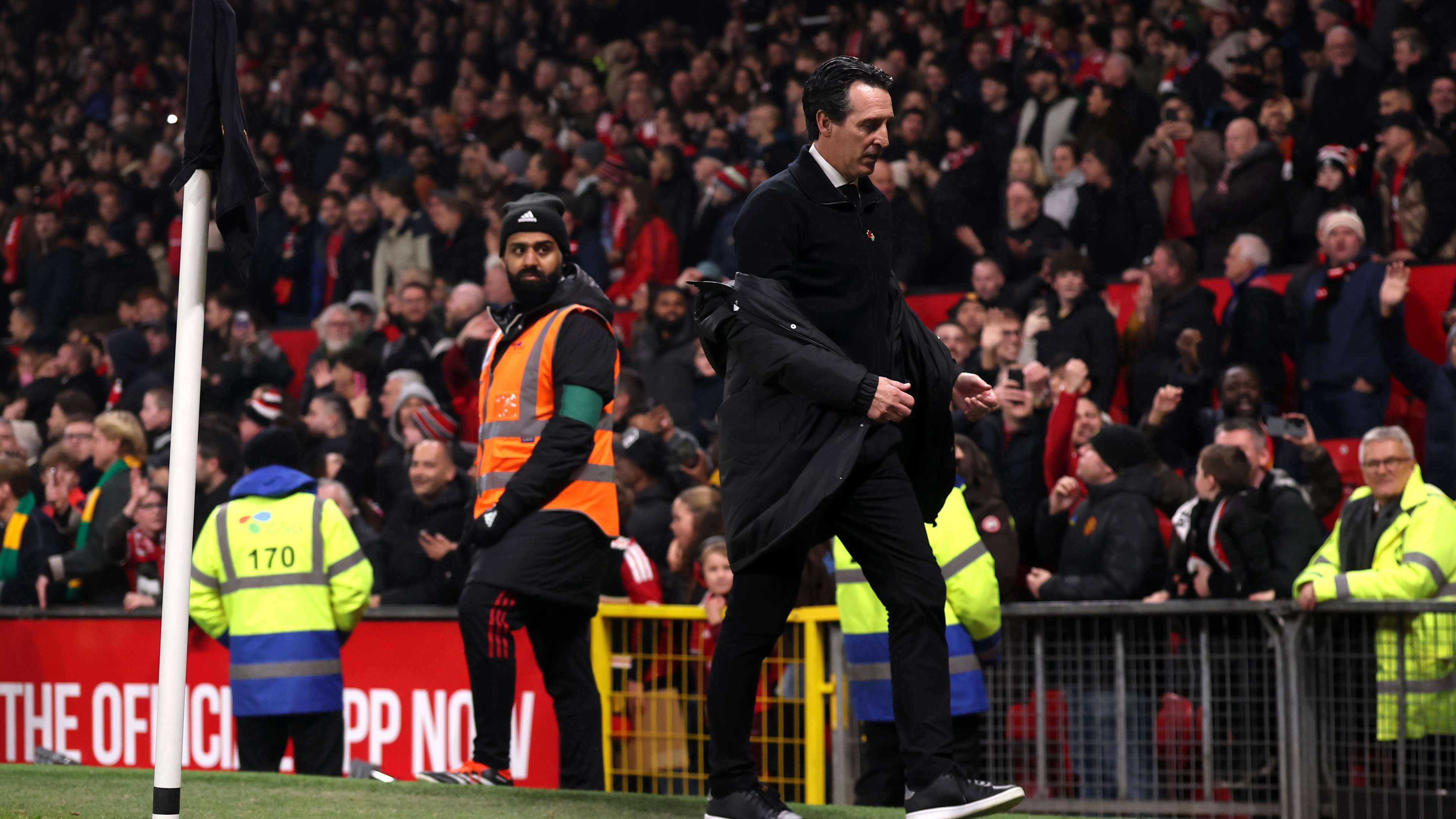
Unai Emery has clarified why he left the pitch before the final whistle of Aston Villa’s thrilling 4-4 Premier League draw with Manchester United, after cameras showed the Villa manager heading towards the tunnel during a video assistant referee review of United’s late equaliser.
The match appeared to be heading towards a memorable away victory for Villa before Manchester United scored for a fourth time in the 96th minute. The goal sparked a VAR check and added another twist to an already dramatic contest. Emery’s departure, captured as officials reviewed the incident, quickly became a talking point after the final whistle.
Speaking to Sky Sports, the Spanish coach made clear that he had not walked away because he believed the goal was unfair or because he was overcome by emotion. In his view, the match was effectively over: six minutes of added time had been announced, and he expected the final moments to pass without another restart.
Why Emery headed down the tunnel
Asked whether his reaction reflected frustration or emotion, Emery responded directly: “There is no emotion at all, they scored in the 96th minute, and six minutes of added time had been awarded, and I thought the match was about to end.”
He later explained that the timing of the goal was central to his decision. “They scored the goal in the 96th minute,” he said. “You were asking why I left before that, because 96 minutes and 30 seconds was the moment we started the kick-off.”
Emery’s comments suggest he believed the game had reached its natural conclusion before United’s final attack was completed. The VAR review then prolonged the scene, leaving the impression that he had abandoned the touchline while the outcome was still uncertain. His explanation was less about disputing the goal and more about his understanding of the clock and the expected end of the match.
The exchange also produced a lighter moment. After repeatedly stressing the timing, Emery joked about his English, saying: “My English is very poor, but is this clear or not?” The line drew attention to the difficulty of explaining a split-second decision in a post-match interview, especially when the question continued to return to the same incident.
A chaotic finish to an entertaining Premier League match
The 4-4 scoreline reflected a game that offered attacking football, momentum swings and a finish neither side could fully control. Villa had reason to feel disappointed after coming so close to securing a major result at Old Trafford, while United’s late goal ensured the hosts salvaged a point in front of their supporters.
For neutral fans, the contest delivered the kind of drama that makes Premier League football so compelling: goals at both ends, pressure in the closing stages and a late VAR check with the result still in the balance. For the managers, however, the final minutes also raised practical questions about game management, concentration and how much time remains when a match enters stoppage time.
Emery was also asked whether the result exposed Villa’s youth or inexperience and whether the team could take a lesson from the draw. He replied, “I don’t know,” before turning the conversation towards the club’s broader direction. Rather than dwelling on the history of Villa’s previous visits to Old Trafford, he said the team was “going our own way” and could remain positive even after what he described as a defeat.
That response reflects the approach Emery has often taken when discussing Villa’s progress: focus on the team’s development rather than allowing one result to define the season. A late equaliser can be difficult to accept, but the performance itself may still offer useful evidence about Villa’s attacking threat and their ability to compete in a demanding away fixture.
What the draw could mean for Aston Villa
From a coaching perspective, the match leaves Villa with both encouragement and areas to review. Scoring four times at Old Trafford is a significant attacking achievement, but conceding four also gives Emery material to examine, particularly in the closing stages. The final goal may become a focal point in discussions about defensive shape, pressure management and communication, regardless of the debate surrounding the manager’s walk-off.
The result also underlines how narrow the margins can be in a Premier League campaign. One late goal can change the mood around a performance, alter the league-table impact and dominate the post-match headlines. That is why Emery’s explanation matters: it separates his decision to leave the pitch from any claim that he rejected the goal or questioned the officials’ verdict.
For supporters looking ahead, the next fixture will provide an opportunity to see how Villa respond. A strong performance after a frustrating draw can reinforce the confidence built during the match, while a review of the defensive details may help the side avoid giving opponents a late route back into games. Any prediction about Villa’s next result will depend on team selection, fitness and how effectively Emery’s players turn the attacking positives from Old Trafford into a more complete performance.
United, meanwhile, will take encouragement from their refusal to surrender. Recovering a point with a goal in the 96th minute can provide a lift, although the four goals conceded will also invite scrutiny. The draw offered both teams a memorable night, but it left neither with a completely satisfying conclusion.
Emery’s message: the timing, not the fairness of the goal
Ultimately, Emery’s explanation was straightforward. He said he left because he believed the match had reached its final moments and that United’s late goal came after the point when he expected proceedings to end. He did not claim the strike should have been ruled out; instead, he repeatedly returned to the 96th-minute timing and the restart that followed.
That distinction is important amid the attention surrounding the incident. The dramatic finish, the VAR review and Emery’s walk towards the tunnel combined to create a headline-making moment, but the Villa manager’s own account was more practical than emotional. His final joke about his English helped soften the exchange, even as he insisted that his point was clear.
After an absorbing 4-4 draw, the result will be remembered for its goals and late twist. Emery’s early exit added a separate talking point, but his explanation points to a simple misunderstanding of when the match was truly over—not a protest against Manchester United’s equaliser.