
European Anger Grows Against FIFA President Gianni Infantino
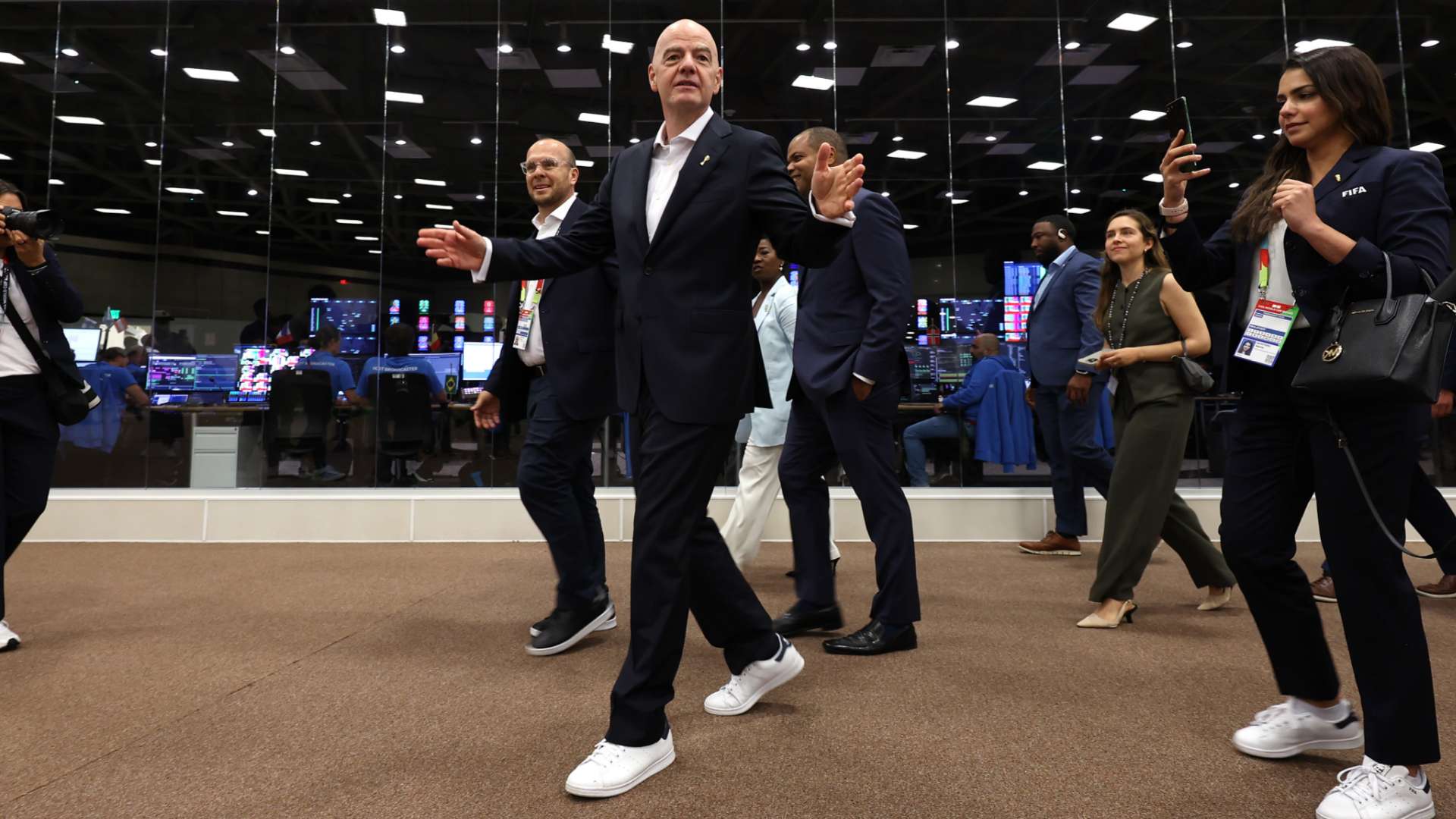
As the calls for the departure of FIFA President Gianni Infantino grow louder, the European anger against him continues to widen. Despite the opposition within UEFA, the path to remove him seems mathematically impossible at the moment.
Challenges of Removing Infantino
In a revealing article in the newspaper “El País,” journalist Ladislao Moñino discussed the challenges of removing Infantino from the International Federation of Association Football presidency. Moñino highlighted that the only viable way to prevent Infantino from staying at the helm of FIFA is through his resignation and withdrawal from standing for a fourth term in the upcoming elections in March 2027.
Moñino emphasized that European public opinion is strongly against Infantino, especially after a series of controversial events during the World Cup. However, he pointed out that public opinion does not have a direct impact on the voting process within FIFA.
Numerical Obstacles
One of the major hurdles in ousting Infantino is the requirement of 106 votes to call an extraordinary congress for his removal, a quorum that his opponents currently do not possess. Despite UEFA and its president Aleksander Čeferin having a strong interest in removing Infantino, the lack of necessary votes hinders any immediate action against him.
Even though UEFA and the Confederation of North, Central America, and Caribbean Association Football (CONCACAF) withdrew their support for Infantino, some federations within CONCACAF still back him, leading to the numbers not adding up for his removal.
Future Scenarios
Attention now turns to the upcoming UEFA congress where Čeferin is likely to be re-elected as president. The FIFA Congress in Rabat, Morocco, also looms on the horizon, raising questions about the potential impact of the ongoing conflict on the upcoming World Cup.
The uncertainty surrounding Infantino’s future as FIFA president continues to fuel discussions within the international football community. While the opposition against him is evident, the practical challenges of gathering enough votes for his removal present a significant obstacle.
In Conclusion
As the discontent towards Gianni Infantino persists, the international football landscape remains divided over the possibility of his ousting. With the numbers not yet aligning for his removal, the path forward for those seeking a change in leadership at FIFA appears to be fraught with challenges and uncertainties.
The Role of European Football Federations
European football federations play a crucial role in shaping the future of FIFA and its leadership. With UEFA being the most powerful confederation in world football, their stance on Gianni Infantino’s presidency holds significant weight. The opposition within UEFA against Infantino demonstrates a growing dissatisfaction with his leadership style and decision-making.
It is essential to understand the dynamics at play within UEFA and how different member federations align themselves in this debate. While some federations openly criticize Infantino, others may remain silent or choose to support him for various reasons, such as strategic alliances or personal interests.
Impact on Global Football Governance
The ongoing conflict surrounding Gianni Infantino has far-reaching implications for the governance of football worldwide. FIFA’s credibility and reputation are at stake, with concerns about the integrity of the organization and its leadership. The failure to remove Infantino despite growing discontent raises questions about the effectiveness of FIFA’s internal mechanisms and decision-making processes.
Moreover, the public scrutiny and media attention on Infantino’s leadership crisis have put a spotlight on the need for greater transparency, accountability, and ethical standards in football governance. The outcome of this power struggle within FIFA could set a precedent for future leadership transitions and reforms within the organization.
The Role of Fans and Supporters
While the decision to remove Gianni Infantino ultimately lies in the hands of FIFA member federations, the voice of football fans and supporters should not be underestimated. Public pressure and grassroots movements can influence the behavior of football administrators and decision-makers, forcing them to address concerns and take action.
Fans have the power to hold football officials accountable and demand ethical leadership and good governance within the sport. Social media campaigns, protests, and fan initiatives can amplify the calls for reform and change within FIFA, creating a more transparent and inclusive football ecosystem.
Looking Ahead: Reforming FIFA’s Leadership Structure
The crisis surrounding Gianni Infantino’s presidency highlights the need for structural reforms within FIFA’s leadership and governance framework. Calls for term limits, stronger checks and balances, and increased transparency have gained momentum in the wake of the current controversy.
Reforming FIFA’s leadership structure to prevent the concentration of power in the hands of a few individuals and promote democratic decision-making processes is essential for the long-term health and sustainability of world football. By establishing clear rules and mechanisms for accountability and oversight, FIFA can rebuild trust and credibility among its stakeholders and the wider football community.
Conclusion
The growing anger against Gianni Infantino within European football federations reflects broader concerns about FIFA’s leadership and governance. While the path to removing Infantino may seem challenging at present, the debate surrounding his presidency has sparked important discussions about the future of football governance and the need for reform.
As stakeholders continue to weigh their options and assess the implications of the ongoing crisis, the international football community remains at a critical juncture, with the potential for significant changes in leadership and decision-making processes on the horizon.