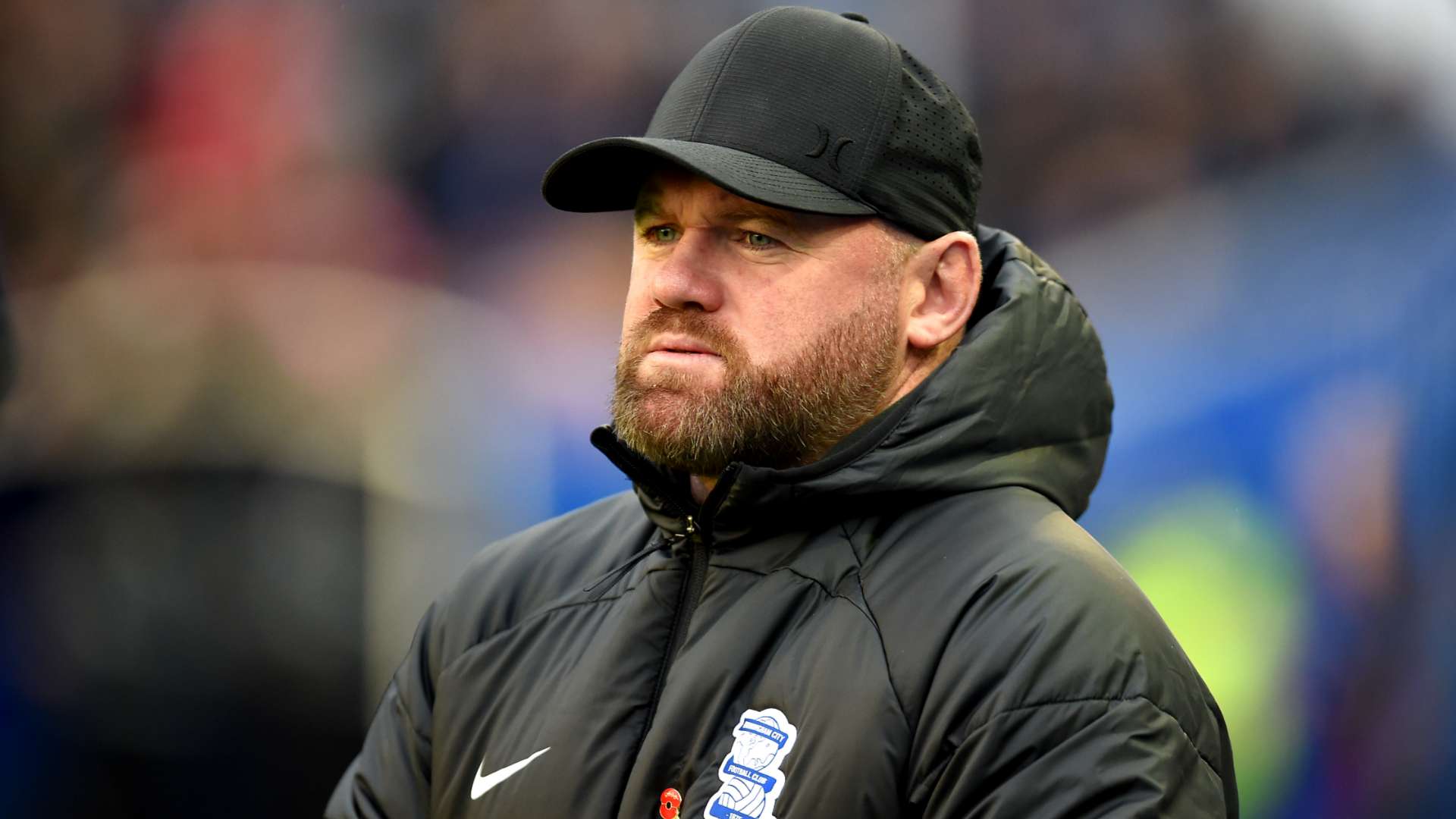

Wayne Rooney’s managerial future questioned after Birmingham and Plymouth setbacks
Wayne Rooney has been told that he should have taken a different approach to avoid the disappointing ends to his spells at Birmingham City and Plymouth Argyle. The former Manchester United and England star has been away from management since leaving Plymouth in December 2024, and his former Everton team-mate Alan Stubbs believes a quick return to the dugout is unlikely.
Rooney’s move into coaching attracted considerable attention from the outset. His reputation as one of English football’s most celebrated players brought high expectations, but his early managerial career has been marked by difficult spells, changing circumstances and results that fell short of what supporters hoped to see. Stubbs has offered a candid assessment of what may have gone wrong—and why Rooney might now benefit from stepping back before deciding on his next move.
Why Rooney’s managerial spells proved so challenging
Rooney’s time at Birmingham and Plymouth unfolded in demanding environments. At Birmingham, he took charge in October 2023 after the club decided to part company with John Eustace, who had helped guide the team into the Championship play-off picture. Rooney inherited a squad and a club with ambitions, but results deteriorated during his short tenure. He was dismissed in January 2024, with Birmingham struggling near the relegation zone.
The appointment also placed Rooney under immediate scrutiny. Supporters were comparing the team’s performances not only with the club’s long-term objectives but with the progress made under his predecessor. That created a difficult backdrop for a manager still establishing his methods in a new role. In football, a change in leadership can take time to produce results, but clubs facing pressure in the Championship often have little patience for a lengthy transition.
Rooney then took over at Plymouth Argyle in May 2024, returning to the Championship with a fresh opportunity. The challenge was substantial: Plymouth were competing in a demanding division after promotion, and the club needed to build on its progress while adapting to the level of competition. The team struggled to find consistency, however, and Rooney left Home Park in late December 2024 after a difficult run of results.
Alan Stubbs’ advice: take more time before accepting a job
Stubbs, who played alongside Rooney at Everton, has suggested that the former striker may have benefited from being more selective about the opportunities he accepted. The broader point is that a manager’s first responsibility is not simply to take the next available job, but to assess whether the club, squad and expectations provide a realistic platform for success.
That kind of evaluation can be especially important for a high-profile former player. Rooney’s name guarantees attention, but reputation alone cannot resolve structural problems, quickly improve a squad or shield a manager from pressure. A role that looks attractive on paper may involve limited resources, a difficult league position or a mismatch between the club’s ambitions and its capacity to deliver them.
For any coach, choosing the right project can be as important as tactical preparation. A stable club with a clear plan, supportive leadership and time to build may offer a better route to progress than a high-pressure appointment where immediate results are demanded. In Rooney’s case, a more deliberate decision-making process could help him find a role that matches his experience and gives his ideas room to take hold.
What Rooney’s record says—and what it does not
Rooney’s managerial career should be judged in context. His early roles have included difficult circumstances, and football outcomes are shaped by more than the manager alone. Recruitment, injuries, squad depth, club finances and the timing of an appointment can all influence results. At the same time, managers are ultimately assessed on performances and points, particularly in leagues where relegation battles can quickly become urgent.
His experience at Derby County offered a different kind of test. Rooney took charge during a period of severe off-field uncertainty, with the club facing financial problems and a points deduction. Although Derby were relegated from the Championship, Rooney’s work during that turbulent spell earned recognition from some observers for keeping the team competitive amid extraordinary constraints. That period showed both the complexity of his coaching journey and the difficulty of drawing simple conclusions from a win-loss record.
The contrast between Derby, Birmingham and Plymouth highlights a key lesson for aspiring managers: each appointment is shaped by its own conditions. A strong football identity and good communication can help, but they must be supported by recruitment, a coherent club strategy and a realistic timetable. Without those foundations, even a famous name can struggle to turn a team around.
Could Rooney return to management?
Stubbs’ view that Rooney may not return to coaching soon does not necessarily mean the door is closed. A break could give him time to reflect on the lessons of his recent appointments, consider what kind of environment suits him and decide whether he wants to continue as a manager. The period away from the touchline may also allow him to assess potential roles without the pressure of making an immediate decision.
There are several possible routes back. Rooney could seek a club with a longer-term development plan, work in a coaching or advisory position, or wait for an opportunity that offers greater alignment between the team’s needs and the resources available. A return at a lower-pressure club might also enable him to refine his approach away from the intense attention that follows a high-profile appointment.
What to watch for in Rooney’s next move
Any future appointment will invite scrutiny, but the most useful prediction is that Rooney’s next decision may matter more than the speed of his return. He will need to weigh the club’s expectations, the quality of its squad, the strength of its leadership and the time available to build a competitive team. Those factors can determine whether a manager is given a genuine chance or is expected to deliver an instant turnaround.
Rooney remains one of the most recognisable figures in English football, and his playing achievements ensure that interest in his career will continue. Yet his managerial story is still developing. If he chooses his next opportunity carefully and applies the lessons learned at Birmingham and Plymouth, he may yet reshape perceptions of his coaching ability. For now, the central question is not simply when he will return to the dugout, but whether the next job will give him the conditions needed to succeed.