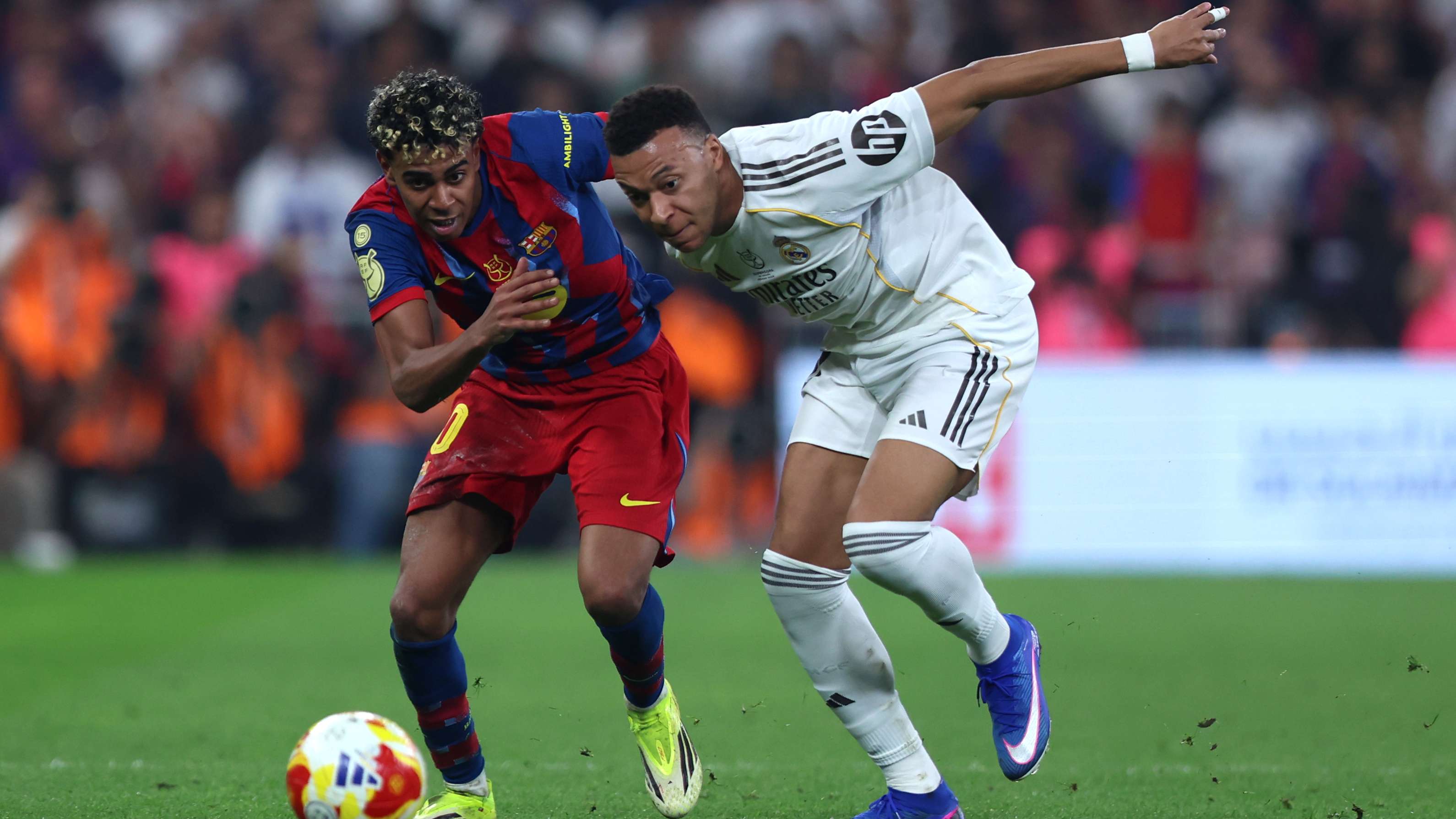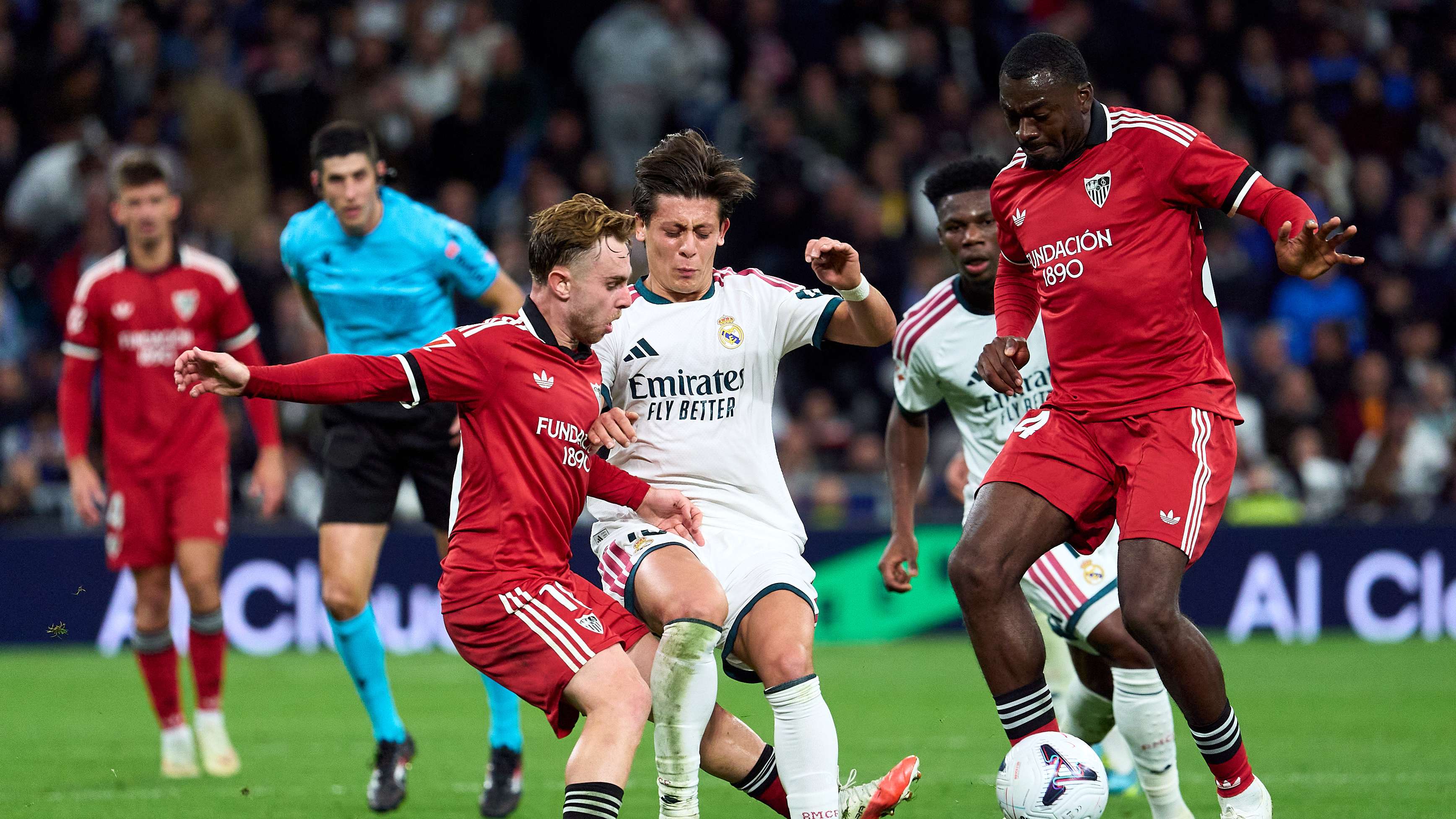

La Liga Broadcast Chief Defends Decision Not to Replay Güler Challenge
A fresh debate about football broadcasting and refereeing has emerged after Sergio Caranza, La Liga’s editorial production chief, confirmed that viewers were not shown a replay of Arda Güler’s challenge on Peque Fernández during Real Madrid’s match against Sevilla. Caranza said footage of the incident was available, but the broadcast team chose not to show it at the time, prompting questions about how television coverage shapes the public’s understanding of contentious moments.
Speaking on Spanish radio station COPE, Caranza described the choice as an editorial decision made by the replay unit during the live broadcast. He denied that the production team had been pressured or instructed to show—or avoid showing—any particular incident. His comments have reignited discussion among supporters about transparency, impartiality and the role of broadcasters when controversial decisions occur on the pitch.
Caranza: Replay Decisions Are Made Independently
Caranza said La Liga’s production staff are free to make decisions based on their judgement of the live coverage. According to him, there are no prearranged instructions directing the team to highlight certain incidents or keep others off screen. The decision not to replay Güler’s challenge, he insisted, came from the people managing the broadcast rather than from outside influence.
“It was an editorial decision by the replay unit,” Caranza said, adding that the team works without pressure and can make the choices it considers appropriate. His defence addresses a recurring concern in modern football: whether broadcasters can present controversial incidents consistently when clubs, players and referees are under intense scrutiny.
Even when a television production team has no authority over refereeing decisions, its choices can affect how fans interpret a match. A replay may reveal contact that was difficult to see in real time, while the absence of one can leave viewers uncertain about what happened. That influence is particularly significant in high-profile fixtures, where a single challenge can quickly become a major talking point across social media and post-match coverage.
Impartiality and Professional Standards in Football Coverage
Caranza also addressed the question of personal loyalties among people working in sports broadcasting. Supporters may have strong affiliations, he acknowledged, but those feelings must be kept separate from professional responsibilities. The principle is familiar across sports journalism: production decisions should be guided by the demands of the broadcast, not by an individual’s preference for one club over another.
That standard can be difficult to assess from the outside. Viewers generally do not see how replay teams make split-second choices, what footage is available at a particular moment, or how producers balance a disputed incident against the flow of the match. Caranza’s comments offer a rare explanation of the process, but they are unlikely to end the debate. For many fans, greater clarity about broadcast criteria could help build trust when a replay is not shown.
Why the Mbappé Goal Incident Was Treated Differently
Caranza also discussed a possible foul in the build-up to one of Kylian Mbappé’s goals. He explained that the decision to replay an incident—and the selection of camera angles—belongs to the production team. However, he said the broadcast’s first responsibility is to follow the live action, with replays used selectively rather than interrupting the match’s momentum.
In this case, play continued after the referee allowed the game to proceed, and the attacking move ended with a goal. Caranza said that if video technology had intervened and stopped play for a review, the production team would have shown the incident and searched for the most relevant angles. In other words, the broadcast response would have changed if the match itself had been paused for an official assessment.
The distinction highlights an important difference between television coverage and the Video Assistant Referee process. Broadcasters can show available footage and provide context, but they do not determine whether a goal stands or whether a foul has occurred. That responsibility remains with the match officials, who apply the laws of the game and use VAR when the protocol allows.
How Replays Shape the Matchday Experience
Football audiences increasingly expect to see multiple angles of every major incident, often within seconds. In the era of instant clips and online debate, a missing replay can appear as significant as the footage itself. Fans may compare what they saw in the stadium with the television feed, then look for additional views shared by other broadcasters or supporters.
Yet live production involves constant trade-offs. Showing a replay can help clarify a decision, but it can also take attention away from play restarting, a developing attack or another event on the field. Producers must decide whether an incident merits an immediate review, whether the footage is clear enough to be useful and whether replaying it could confuse viewers before officials have made a decision.
Caranza’s explanation suggests that La Liga’s production team prioritises continuity and editorial judgement, while responding more directly when a formal VAR review interrupts the match. That approach may be intended to preserve the pace of the broadcast, but it also places a greater responsibility on production teams to apply their standards consistently.
What the Controversy Means for La Liga’s Next Fixtures
The discussion comes as Real Madrid continue their busy schedule. The club are listed for a Champions League meeting with RB Leipzig on October 22, 2026, followed by a La Liga fixture against Osasuna on October 27. Supporters will be watching not only the football, but also how broadcasters handle the next contentious tackle, penalty appeal or potential VAR review.
For fans making a football prediction before an upcoming match, refereeing decisions and the availability of key players can be important considerations—but broadcast choices should not be mistaken for official evidence. A replay can provide useful context, yet the referee’s decision and any VAR review remain the authoritative basis for judging an incident under the rules.
Caranza’s remarks have not settled whether the Güler–Fernández challenge should have been shown. Instead, they have brought the editorial process into focus. As football coverage becomes more immediate and interactive, broadcasters face growing pressure to explain what viewers see, what they do not see and why. Clearer communication around replay policies could help audiences understand those decisions, while preserving the independence that Caranza says La Liga’s production teams require.