
Exploring the Symbolism of the World Cup Trophy
As the 23rd edition of the FIFA World Cup approaches, football fans around the world are gearing up to witness an unparalleled display of skill, passion, and determination. With 48 teams vying for the coveted gold trophy, the competition is set to be intense and thrilling. But beyond the excitement of the games themselves, what does winning the World Cup actually symbolize?
The Meaning Behind the Trophy
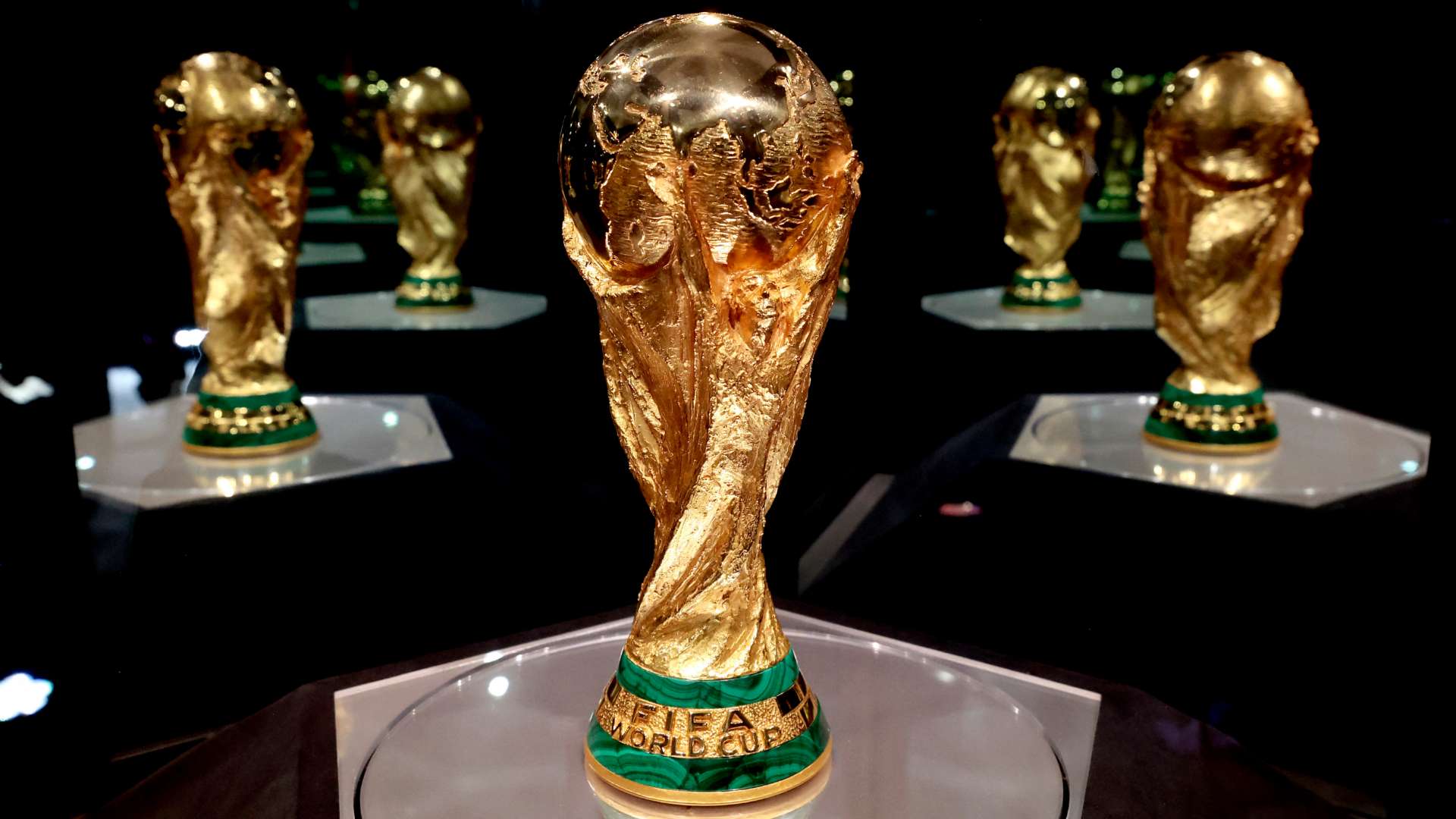
The World Cup trophy is one of the most iconic awards in sports, recognized globally for its significance and prestige. The design of the trophy features two figures spiraling around the frame, holding up a globe. This symbolizes the success of the world’s best footballers, capturing the moment of victory as players lift the world above them in celebration.
At the top of the trophy, the globe represents the expansive competition of the World Cup, uniting nations from every continent in a battle for global recognition. Those who have had the privilege of lifting the trophy describe it as the ultimate symbol of success, a culmination of years of hard work, dedication, and passion for the game.
Lionel Messi, one of the greatest footballers of all time, eloquently expressed the profound impact of winning the World Cup, likening it to the overwhelming joy of becoming a parent. The emotions that accompany this achievement are unparalleled, making it a moment that transcends the boundaries of individual success.
The Design and Legacy
After the retirement of the original Jules Rimet trophy, a new design was introduced in 1974 by Italian sculptor Silvio Gazzaniga. The current trophy stands at 36.8 centimeters tall and weighs around 6.1 kilograms, crafted from 18-karat gold. The base is made of two layers of semi-precious green malachite, adding a touch of elegance to the iconic award.
Gazzaniga’s design aims to capture the spirit of the competition, embodying the themes of joy, victory, and the universal love for football. The trophy remains one of the longest-standing designs in modern sports, a testament to its enduring legacy and significance in the footballing world.
The Value of the Trophy
While the World Cup trophy is valued at around $20 million due to its gold composition, its true worth extends far beyond monetary value. Winning nations are not allowed to keep the original trophy, which is safeguarded by FIFA. Instead, they receive a gold-plated replica as a symbol of their achievement.
Before the introduction of the current design, the Jules Rimet trophy was awarded to winning teams, featuring the winged Greek goddess of victory, Nike. Brazil holds the record for the most World Cup victories, with five titles under their belt. The transition to the new design represented a shift in focus towards global celebration and unity, emphasizing the shared aspirations of all participants.
In Conclusion
As the world eagerly awaits the upcoming FIFA World Cup, the symbolism of the trophy serves as a reminder of the power of sport to unite nations, inspire individuals, and create lasting memories. The legacy of the World Cup trophy endures as a beacon of excellence, representing the pinnacle of success in football and the culmination of a lifelong dream for players around the world.
Historical Significance of the World Cup Trophy
Looking back at the history of the FIFA World Cup trophy, it is fascinating to see how it has evolved over the years. The original Jules Rimet trophy, named after the FIFA president who initiated the tournament, was first awarded in 1930. This trophy held immense sentimental value as it symbolized the triumph of international football and unity during a time of global turmoil. However, due to its small size and vulnerability to theft, it was eventually retired after Brazil won their third World Cup in 1970.
With the introduction of the current design by Silvio Gazzaniga in 1974, the World Cup trophy took on a new form that emphasized the global nature of the competition. The intricate details of the trophy, from the two figures supporting the globe to the elegant base made of malachite, reflect the artistic vision and craftsmanship that goes into creating such a prestigious award.
Cultural Impact of Winning the World Cup
Winning the World Cup not only brings glory to the players and their respective countries but also has a profound cultural impact. The celebrations that follow a World Cup victory transcend borders and bring people together in a shared moment of joy and pride. The winning team becomes a symbol of national identity and unity, inspiring future generations of footballers and fans alike.
For nations that have never won the World Cup, the pursuit of the trophy becomes a quest for validation and recognition on the global stage. Countries like Argentina and the Netherlands, known for their rich footballing traditions, have come close to winning the trophy but have fallen short in the final moments. The desire to bring the World Cup home drives these nations to push their limits and strive for greatness.
The Mental and Emotional Toll of Competing for the Trophy
Behind the glitz and glamour of the World Cup lies a grueling journey filled with sacrifices and challenges for the players. The mental and emotional toll of competing for the trophy is immense, as athletes pour their heart and soul into every match, knowing that the outcome could define their legacy in the sport.
Players often undergo intense pressure from fans, media, and their own expectations, leading to moments of triumph and heartbreak on the world stage. The resilience and mental fortitude required to overcome setbacks and rise to the occasion are what separate the champions from the rest. The World Cup trophy thus becomes a symbol of perseverance, determination, and the unwavering pursuit of excellence.
Looking Ahead to the Future of the World Cup Trophy
As the FIFA World Cup continues to captivate audiences around the globe, the symbolism of the trophy will remain a constant reminder of the beauty and passion of the beautiful game. With each edition of the tournament, new stories of triumph and defeat will be written, adding to the rich tapestry of football history.
Whether it’s a first-time winner lifting the trophy or a repeat champion cementing their legacy, the World Cup trophy will continue to inspire generations of footballers and fans to dream big and chase their goals. The journey to World Cup glory is not just about winning a tournament; it’s about the shared experience of coming together as a global community to celebrate the universal language of football.
By delving deeper into the symbolism, design, cultural impact, and emotional significance of the World Cup trophy, we gain a deeper appreciation for the magic and allure of the world’s most prestigious football competition. As fans eagerly await the next chapter in World Cup history, the trophy stands as a timeless symbol of excellence, unity, and the unbreakable spirit of the beautiful game.