
Barcelona vs Real Madrid: Why This Clásico Could Shape the La Liga Race
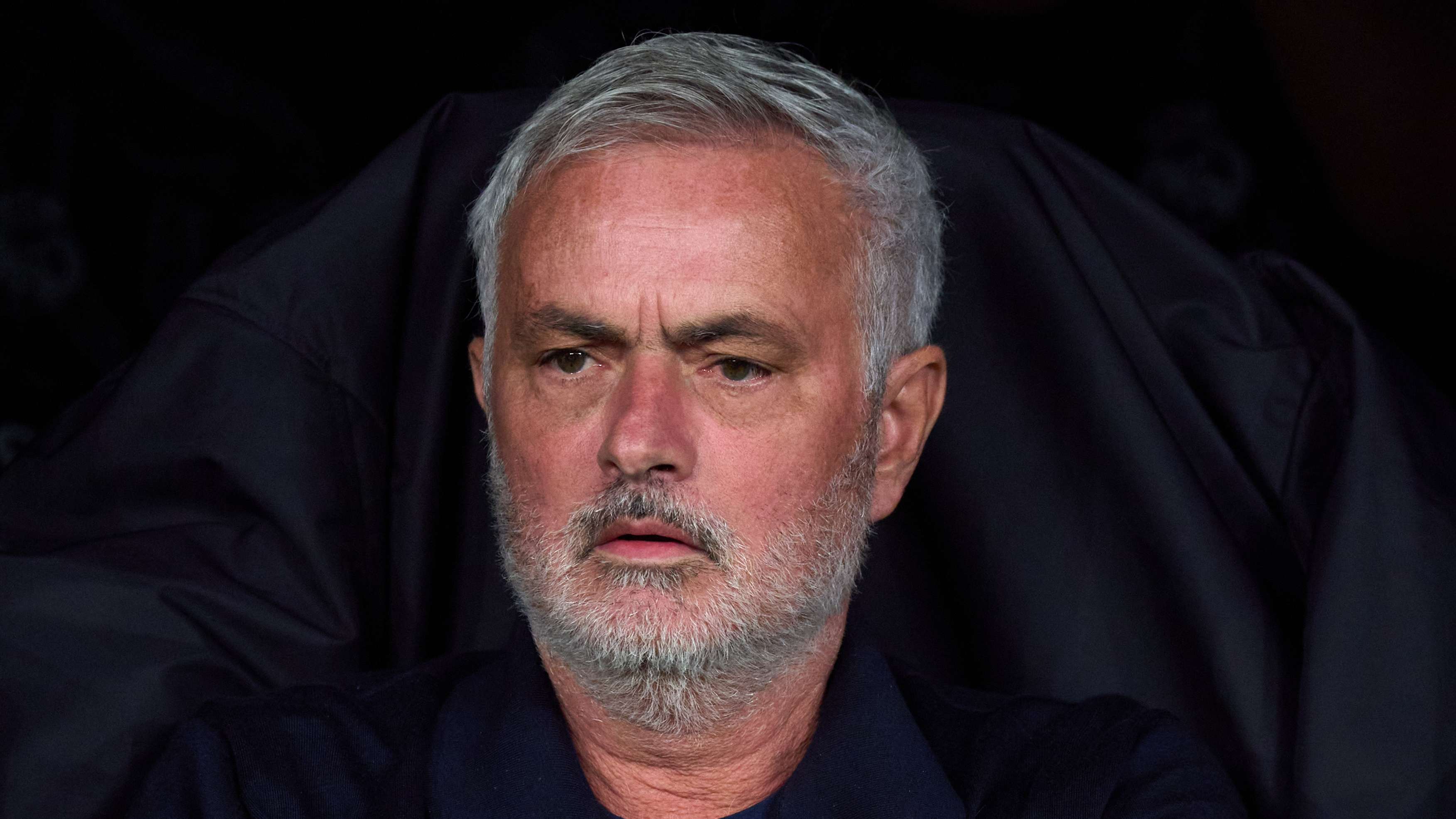
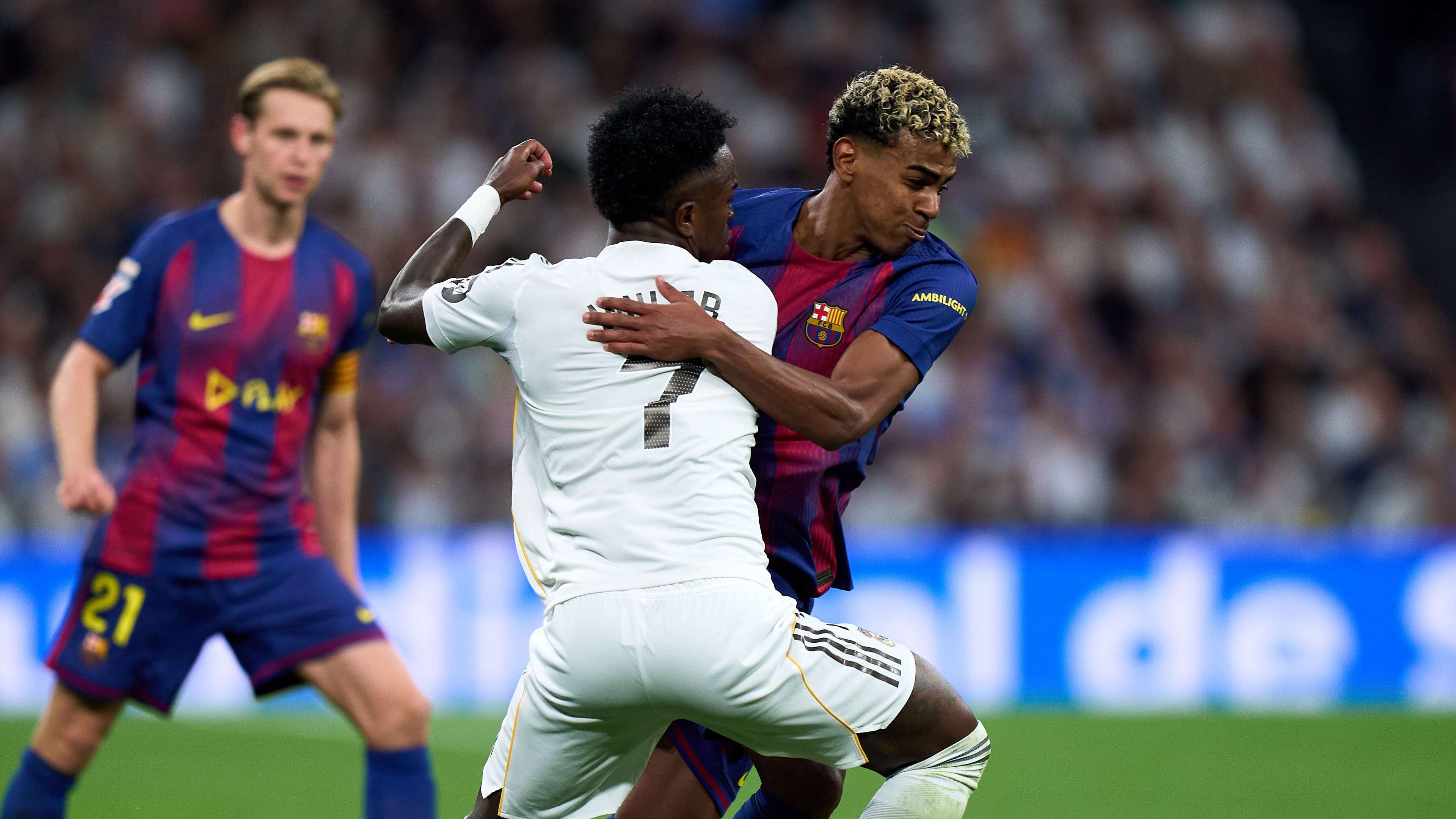
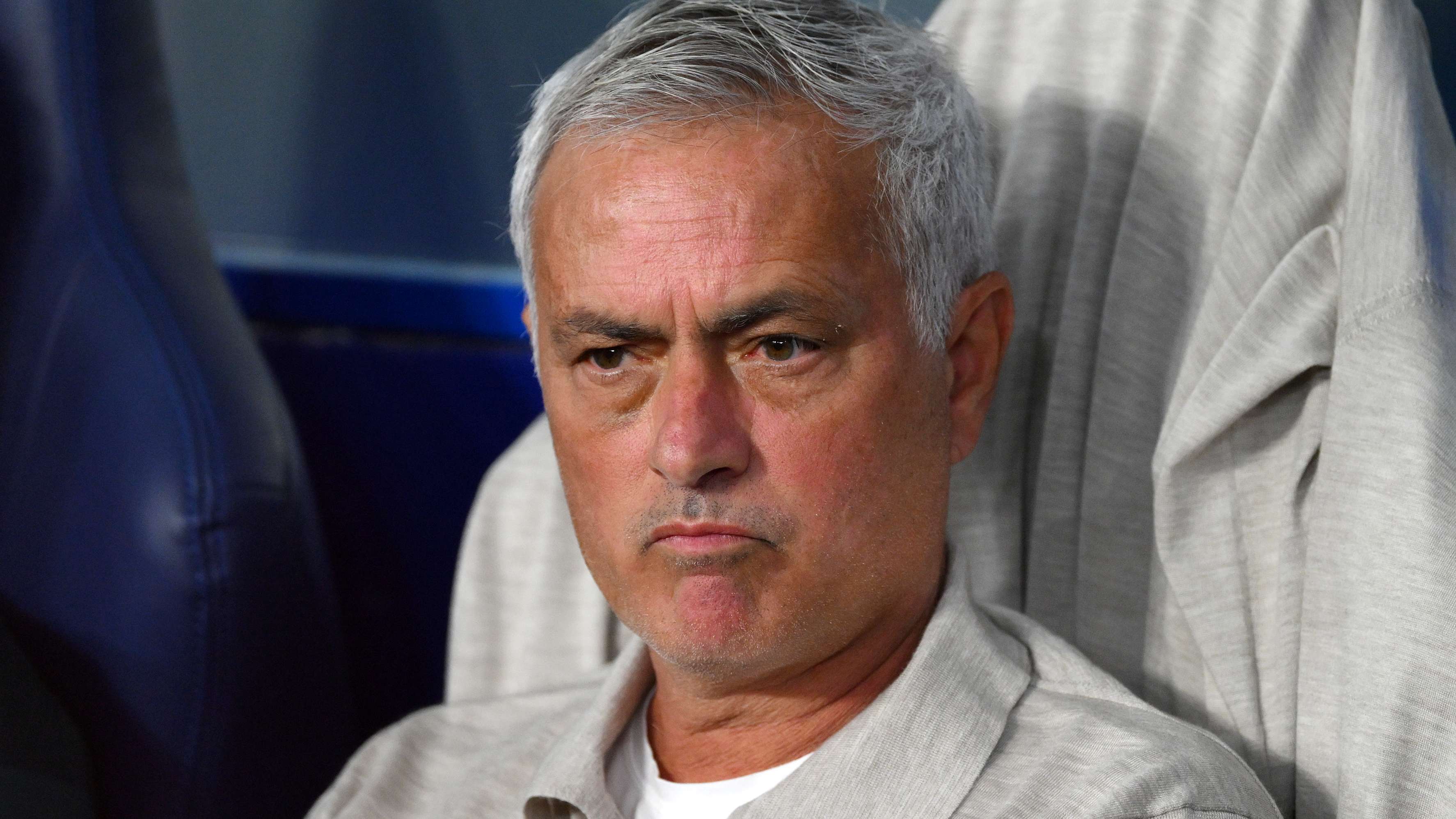
One football match cannot determine the course of an entire season, but a Clásico can reveal important clues about a team’s character, tactical direction and ability to handle pressure. That makes Sunday’s meeting between Barcelona and Real Madrid more than a headline fixture in the tenth round of La Liga. For José Mourinho, it also brings an uncomfortable memory into focus: his first Clásico as Real Madrid coach ended in a 5–0 defeat at Camp Nou.
The Portuguese manager will be keen to avoid a repeat of that painful opening. The result in November 2010 was not, by itself, a verdict on Mourinho’s Real Madrid project. However, it offered an early demonstration of the challenge he faced in trying to dislodge Pep Guardiola’s dominant Barcelona. The teams would have many more fierce encounters, but the Catalans’ control of that first meeting set the tone for a difficult rivalry.
The Lesson of Mourinho’s First Clásico
Mourinho arrived at the Santiago Bernabéu with a reputation for building disciplined, competitive sides capable of disrupting the strongest opponents. Yet Barcelona’s 5–0 victory showed how difficult it would be to contain a team built around possession, movement and technical precision. Real Madrid were overwhelmed, and the defeat quickly became one of the defining images of that season.
Thereafter, the rivalry became far more balanced. Across Mourinho’s spell in charge, Real Madrid recorded five wins, six defeats and six draws against Barcelona. Those numbers reflect a contest that increasingly became a tactical battle, with each side finding ways to challenge the other. Madrid occasionally matched—and sometimes surpassed—Guardiola’s team, but the broader honours still favoured Barcelona.
Real Madrid lost the La Liga title in two of Mourinho’s three seasons at the club, while Barcelona also eliminated them in the 2010–11 Champions League semi-final. Mourinho did secure three major trophies: the Copa del Rey in 2010–11, the league title in 2011–12 and the Spanish Super Cup in 2012. His tenure therefore brought significant success, even if it did not establish lasting domestic supremacy over Barcelona.
Why This Match Could Offer a Preview of What Comes Next
The latest Clásico carries extra significance because Real Madrid’s recent transfer activity may limit the scale of changes to the squad in the near future. If the club has already invested heavily in new talent, the current group could remain the foundation of the team for some time. Sunday’s performance may therefore offer a useful early indication of how well the players fit together and whether they can deliver in the biggest domestic fixture.
That does not mean the result will settle the season’s major questions. Injuries, form and the January transfer window can all reshape a campaign. Still, a high-pressure match against Barcelona tests more than technical quality. It measures composure, defensive organisation and the ability to adjust when a carefully prepared game plan is disrupted. For Madrid, a convincing display could strengthen belief in the project; a heavy defeat would invite comparisons with Mourinho’s difficult first night at Camp Nou.
Barcelona’s Form Gives Them an Edge—But Not a Guarantee
On paper, Barcelona enter the match with reasons to feel confident. Their performances and results have suggested a cohesive, consistent side, with a clearer rhythm than many of their rivals. In a fixture where small details can decide the outcome, that collective understanding could be a major advantage. Barcelona’s ability to control possession and turn pressure into attacking opportunities will be central to their chances.
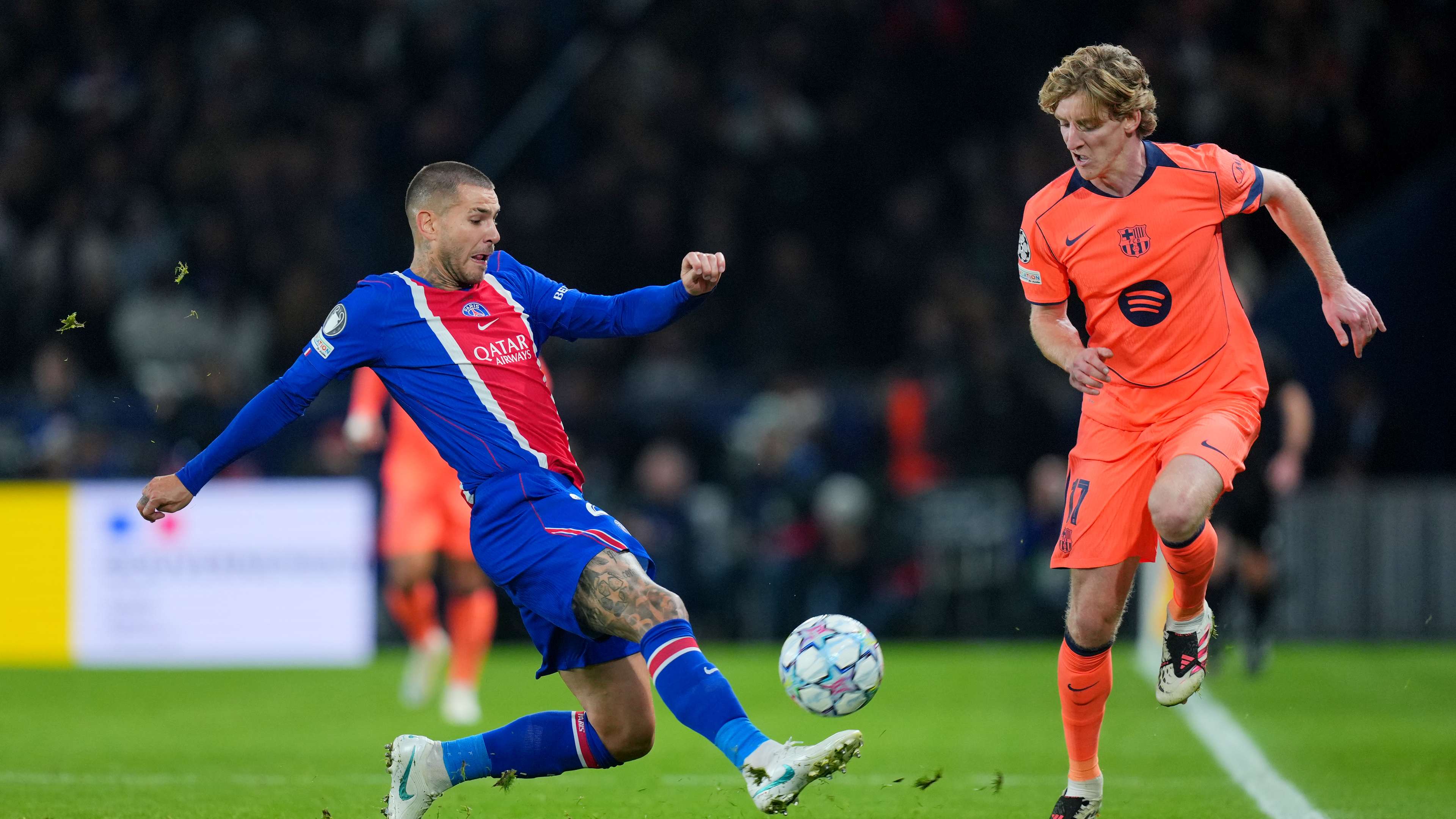
However, their recent 4–2 Champions League defeat to Paris Saint-Germain has complicated the picture. A European loss does not erase the progress made earlier in the season, but it does raise questions about how the team responds to adversity. The Clásico arrives at a demanding moment: Barcelona must show that the setback was a temporary disappointment rather than the start of a less stable run.
Supporters will be watching for signs of resilience as much as attacking quality. Can Barcelona recover their defensive concentration? Will they remain patient if Madrid press aggressively or disrupt their passing patterns? And can the team avoid allowing one difficult result to affect its confidence? The answers could matter well beyond Sunday’s final whistle.
Real Madrid’s Attack Needs to Find Its Rhythm
Madrid also have concerns to address. Their recent scoring return—four goals across three matches—has been modest by the standards expected of a team with elite attacking options. They conceded three goals against Roma and one each against Sevilla and Leipzig, results that suggest the side has not yet found a dependable balance between creating chances and protecting its own goal.
That combination should attract Barcelona’s attention. Madrid remain dangerous in transition, particularly when they can exploit space behind an advancing defence, but their attack will need greater sharpness if they are to make those moments count. At the other end, avoiding careless turnovers and maintaining a compact defensive shape will be essential. Against Barcelona, even a brief lapse can quickly become a clear scoring opportunity.
The match may ultimately be decided by which side manages its weaknesses more effectively. Barcelona must respond to a European disappointment, while Madrid need to turn promising individual talent into a more consistent team performance. That makes the fixture difficult to judge through recent results alone—and gives the prediction plenty of uncertainty.
Clásico Prediction: A Test of Character as Much as Quality
Barcelona appear to have the stronger case based on their overall cohesion and consistency, but Real Madrid’s capacity to rise to major occasions cannot be ignored. The hosts’ recent defeat could either sharpen their focus or expose lingering doubts, while Madrid’s attacking concerns may become less significant if they find space to counter.
A close contest is therefore more plausible than a one-sided prediction. Barcelona may have the advantage if they control the tempo, but Madrid can shift the balance with quick transitions and clinical finishing. Whatever the result, Sunday’s Clásico should provide a revealing snapshot of both teams’ readiness for the La Liga race—and give Mourinho a chance to show that this meeting will be remembered for a very different reason from his first visit to Camp Nou.