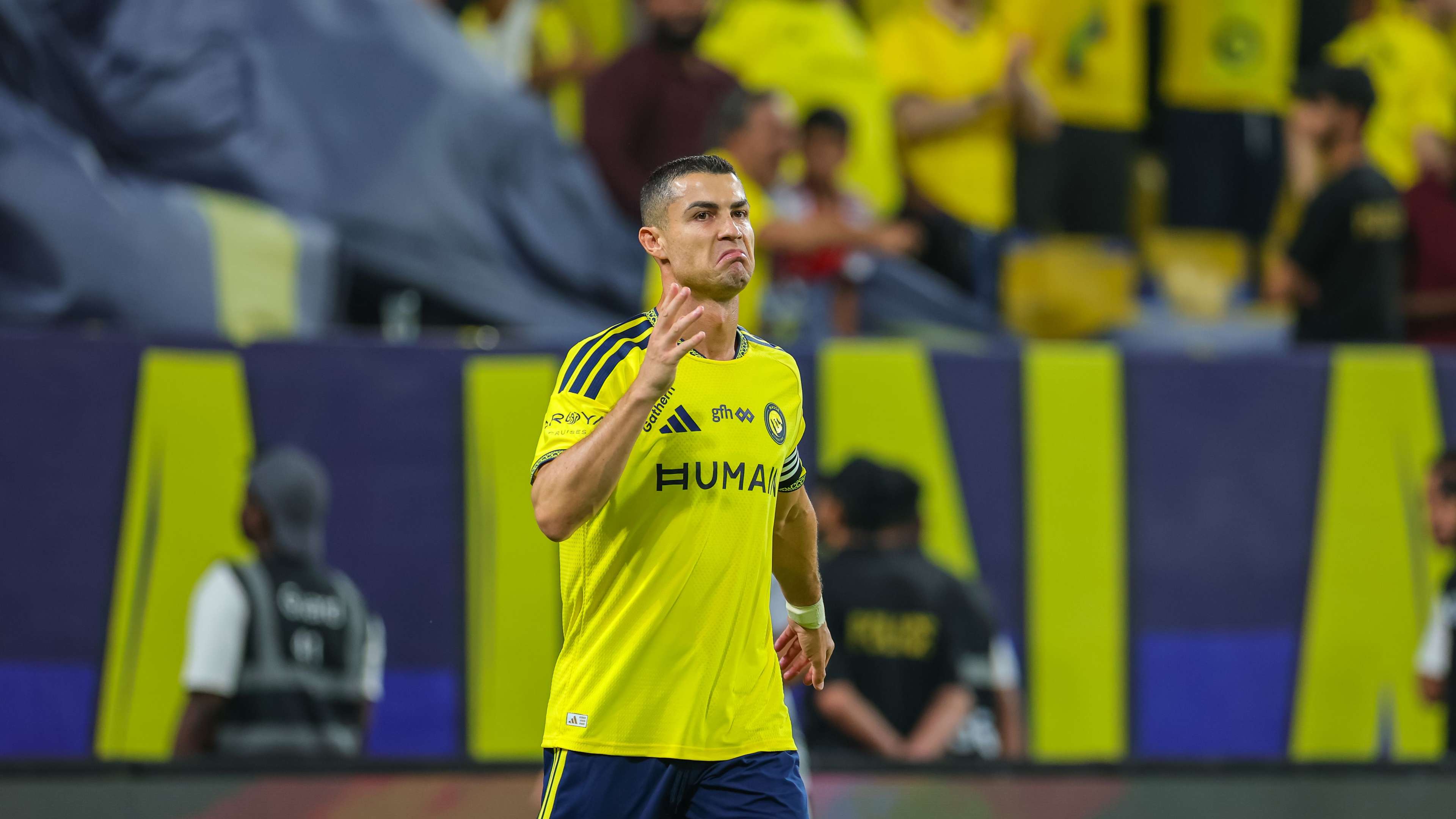

Cristiano Ronaldo’s Portugal Disciplinary Case Appears to Be Over
Cristiano Ronaldo’s latest dispute with the Portuguese Football Federation has drawn international attention, but the decision to backdate his suspension means the episode is unlikely to disrupt Portugal’s next major fixture. The federation has issued the national team captain with a 30-day ban and a €255 fine after he left Portugal’s training camp during the previous international break.
Because the suspension began on 30 September, it will have expired before Portugal meet Denmark on 14 November. That timing leaves the door open for Ronaldo to return to the squad, should coach Jorge Jesus select him. For supporters following the team’s football schedule, the key takeaway is that the disciplinary ruling is not expected to keep the forward out of that match.
Why the federation punished Ronaldo
The case stems from a turbulent period during Portugal’s September international window. Ronaldo was reportedly angered after being left out of the starting line-up for the team’s UEFA Nations League victory over Norway on 27 September. He had warmed up before the match, but was not brought on, marking the first time in his 18-year international career that he had remained an unused substitute.
After the match, the situation escalated. Ronaldo missed three training sessions and departed the national team camp before Portugal’s final two fixtures of the break. He reportedly flew to Spain on a private aircraft before returning to Saudi Arabia, where he resumed training with Al-Nassr.
The Portuguese federation’s decision formalises the consequences of leaving camp without completing the international assignment. While the fine is modest by the standards of elite football, the suspension carries a more significant message: national team commitments and team discipline apply to even the most decorated players.
Backdated ban clears the way for a Denmark return
The ruling’s start date is central to its impact. Since the 30-day suspension was backdated to 30 September, it is set to conclude well ahead of the 14 November meeting with Denmark. Ronaldo should therefore be eligible for selection when Portugal take the field, although eligibility does not guarantee a place in the starting XI.
That distinction matters for both the player and the coach. Ronaldo’s experience, leadership and scoring record remain valuable assets, but Portugal’s tactical plans will also depend on his fitness, form and role within the squad. Jesus will have to decide whether to restore the captain immediately, manage his minutes or use him in a different position as the team prepares for the fixture.
For fans searching for a Portugal vs Denmark prediction, Ronaldo’s potential availability is an important factor—but not the only one. Team balance, recent performances, injuries and the tactical approach on the day will all shape the contest. His presence could add a major threat in the penalty area and provide a boost in high-pressure moments, while Portugal’s overall success will depend on how effectively the team functions around him.
A fine that is small compared with Ronaldo’s earnings
The financial penalty has also become a talking point. British newspaper The Daily Mail reported that Ronaldo earns approximately £488,000 per day at Al-Nassr. On that calculation, the reported £215 equivalent of the €255 fine would take him only around 38 seconds to earn.
The comparison underlines the limited financial impact of the sanction for a player at Ronaldo’s level. Its significance is more symbolic than economic: the federation has publicly addressed his departure and reinforced the standards expected of Portugal’s players. For the national team, the priority now is likely to be moving beyond the incident and focusing on upcoming football commitments.
What the episode could mean for Portugal
Ronaldo’s reaction followed an unusual moment in a career defined by regular selection and a central role in the national side. Being left out after warming up may have been a sharp disappointment, particularly given his long record of representing Portugal. But the episode also highlights the changing dynamics of an ageing squad and the need to balance a legendary player’s influence with the development of other attacking options.
Portugal’s coaching staff must manage that transition carefully. Ronaldo can still offer experience, aerial ability and a proven instinct for scoring, but the team also needs clear expectations about selection, substitutions and conduct. A strong response from both sides could help restore focus before the Denmark match; lingering tension, by contrast, could invite further questions about the captain’s relationship with the federation and coaching staff.
For Ronaldo, returning to the national team would provide an opportunity to put the controversy behind him and contribute on the pitch. For Jesus, the decision will be less about the headlines and more about finding the strongest combination for Portugal. The coach’s selection and the team’s performance will ultimately provide a clearer indication of whether the dispute has been fully resolved.
Focus shifts back to football
The federation’s ruling has brought a formal conclusion to the disciplinary case, and the backdated ban means Ronaldo is expected to be available against Denmark. The fine is unlikely to affect him financially, while the suspension should not prevent his participation in the November fixture.
Still, questions remain about his role and Portugal’s plans. Ronaldo’s availability gives the coach another major option, but the final decision will depend on preparation and tactics. As the international break approaches, attention can now return to the football itself: Portugal’s team selection, its approach to Denmark and whether its captain can turn a difficult episode into a productive return.