
Saudi Arabia Football Team Faces Defensive Crisis Amid Injury Concerns: What It Means for Prediction and Strategy
The Saudi Arabian national football team is navigating a turbulent period as injuries to key defenders threaten to undermine their progress in the ongoing Gulf Cup. Central to this concern is Hassan Tambakti, a vital figure in the team’s defensive line, whose recent injury setbacks have ignited speculation about the team’s stability and future predictions in this high-stakes tournament.
Kalidou Koulibaly’s Candid Remarks Spark Spotlight on Tambakti’s Fitness
Just days before the latest injury incident, Al-Hilal’s Senegalese defender Kalidou Koulibaly made headlines with his forthright comments about his teammate Hassan Tambakti. In a candid interview, Koulibaly highlighted the importance of rigorous training and physical preparation, emphasizing that talent alone does not shield players from injuries. His remarks served as a reminder that even skilled footballers require consistent effort and conditioning to withstand the rigors of competitive matches.
Specifically, Koulibaly pointed out that despite Tambakti’s evident ability and defensive prowess, his physical condition has been a concern. The Senegalese star implied that injuries are often a consequence of insufficient training or recovery, a sentiment that resonated widely among football analysts and fans alike. Koulibaly’s critique set the stage for heightened scrutiny on Tambakti’s current form and fitness level.
The Recurrence of Injury: Tambakti’s Recent Setback with the Saudi National Team
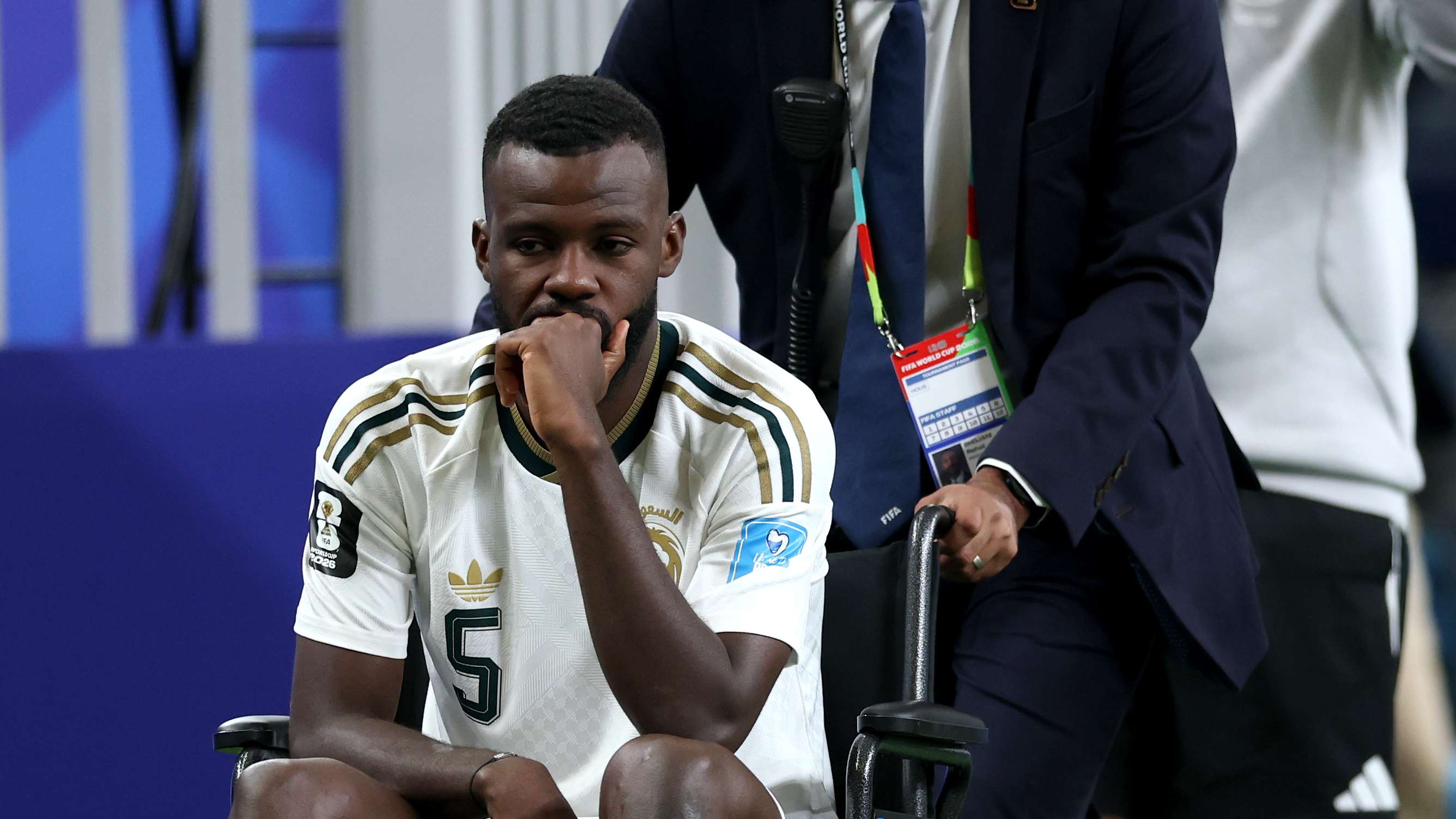
Not long after Koulibaly’s revealing comments, Hassan Tambakti was seen hobbling off the field during a crucial match against Oman in the Arabian Gulf Cup, also known as Gulf 27. The injury appeared to be a knock sustained during the game, prompting immediate concern among fans and coaching staff. Despite Tambakti’s own reassurance that the injury was minor and that he was ready to continue, the recurrence of physical problems cast doubt on his true condition.
In the aftermath of the match, official reports confirmed that Tambakti experienced discomfort but described the injury as minor. The Saudi technical team attributed the injury to the late stages of the game, during which the team secured a confident 3-0 victory. However, the real concern lies beneath the surface: how ready is Tambakti to withstand the physical demands of consecutive matches in a tightly contested tournament?
The Bigger Picture: Injury Risks and Impact on Saudi Arabia’s Defensive Stability
The timing of Tambakti’s injury could not be more critical. With Saudi Arabia having already secured their semi-final spot, the team now faces a pivotal phase of the Gulf Cup, where fitness and squad depth are paramount. The injury comes at a time when the team’s defensive resilience is being tested, especially after the recent absence of Hassan Kadesh, who suffered a thigh injury and is expected to be sidelined for the foreseeable future.
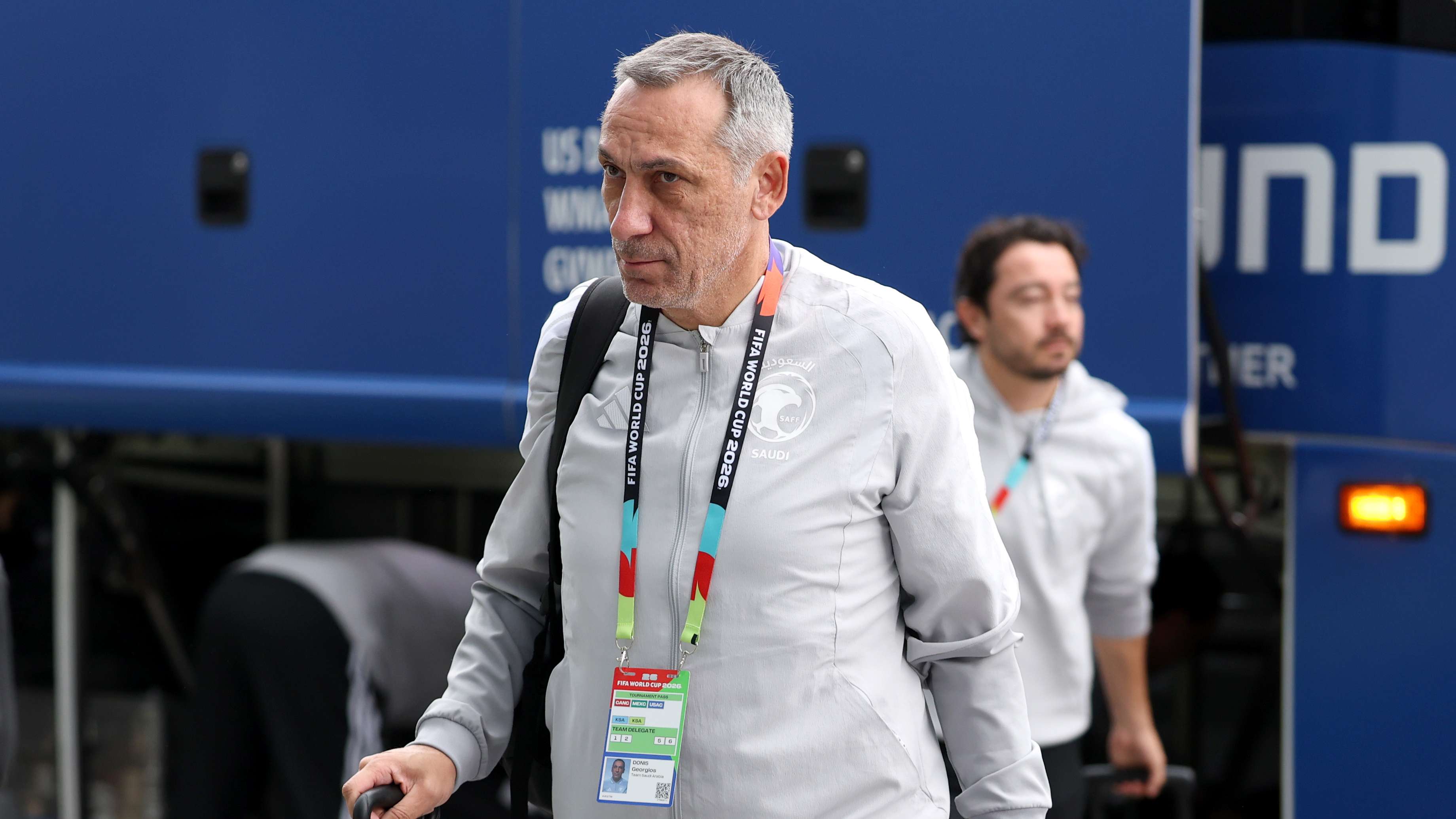
The potential absence of Tambakti—the team’s central figure in defense—raises serious questions about the tactical options available to head coach Georgios Donis. The Greek coach must now consider whether to rotate players or alter his defensive lineup, which could significantly influence prediction models for upcoming matches. The defense’s solidity is often a decisive factor in football predictions, especially in knockout-stage tournaments like the Gulf Cup.
Assessing the Injury Record: Is Tambakti’s Fitness a Long-Term Concern?
Beyond the immediate impact, Tambakti’s injury history raises broader concerns about his long-term fitness. Multiple physical problems over different periods have marked his career, leading to ongoing doubts about his ability to consistently perform at the highest level. This pattern is especially problematic during tournaments that demand rapid recovery and minimal downtime between matches.
While Tambakti has publicly reassured supporters that his current injury is minor and that he is prepared for upcoming fixtures, medical experts warn that such recurrent issues could compromise his overall readiness. It is crucial for the team’s medical staff to monitor his condition closely, ensuring he does not aggravate the injury or suffer further setbacks.
The Road Ahead: What Does This Mean for Prediction and Strategy?
Looking ahead, the injury situation in the Saudi football team will undoubtedly influence predictions for their performance in the semi-finals and beyond. Football prediction models often weigh player availability and fitness heavily, especially in matches where defensive stability is key. The absence or reduced effectiveness of Tambakti could tilt the scales in favor of opponents, particularly in high-stakes encounters.
Moreover, the team’s ability to adapt tactically will be put to the test. Coach Georgios Donis may need to deploy alternative defenders, possibly reshuffling formations to compensate for the missing or compromised player. Such adjustments can impact prediction outcomes, as teams with flexible tactics tend to fare better under injury pressure.
Expert Insights: How Will Saudi Arabia Navigate This Defensive Dilemma?
Football experts suggest that Saudi Arabia’s coaching staff must prioritize player health and squad rotation to mitigate the risks associated with recurring injuries. Maintaining a balance between aggressive pursuit of victory and injury prevention is essential, particularly in tournaments where squad depth is limited.
Additionally, analysts highlight the importance of strategic prediction models that incorporate injury risk assessments. These models can help forecast team performance more accurately, considering the potential absence or reduced effectiveness of key players like Tambakti. As the tournament progresses, keeping an eye on player fitness reports will be critical for accurate football predictions.
Conclusion: The Significance of Fitness in Shaping Future Prediction Outcomes
The recent injury setbacks faced by Hassan Tambakti underscore a broader theme in football prediction—player fitness and health are fundamental to a team’s success. For Saudi Arabia, maintaining a fit and resilient defense could be the difference between advancing further in the Gulf Cup or facing early elimination.
As the team prepares for upcoming matches, including the semi-final against Iraq, all eyes will be on Tambakti’s recovery and readiness. The situation exemplifies how injuries can influence prediction models and strategic decisions, emphasizing the importance of comprehensive player management in modern football. Fans, analysts, and bettors alike will be closely monitoring fitness updates to refine their predictions and anticipate the team’s future performance in this thrilling tournament.