
Bone-breaking Battle for FIFA Presidency
Calls for Gianni Infantino’s removal from the FIFA presidency are gaining momentum as the football world grapples with a major crisis. The latest development sees US President Donald Trump stepping in to support his close ally amid mounting pressure.
Privatisation Threatens FIFA President
The main source of contention revolves around Infantino’s failed attempt to privatise the World Cup’s commercial assets by selling shares to private-sector investors. This $15 billion plan collapsed, sparking outrage and leading to a loss of confidence in the FIFA president.
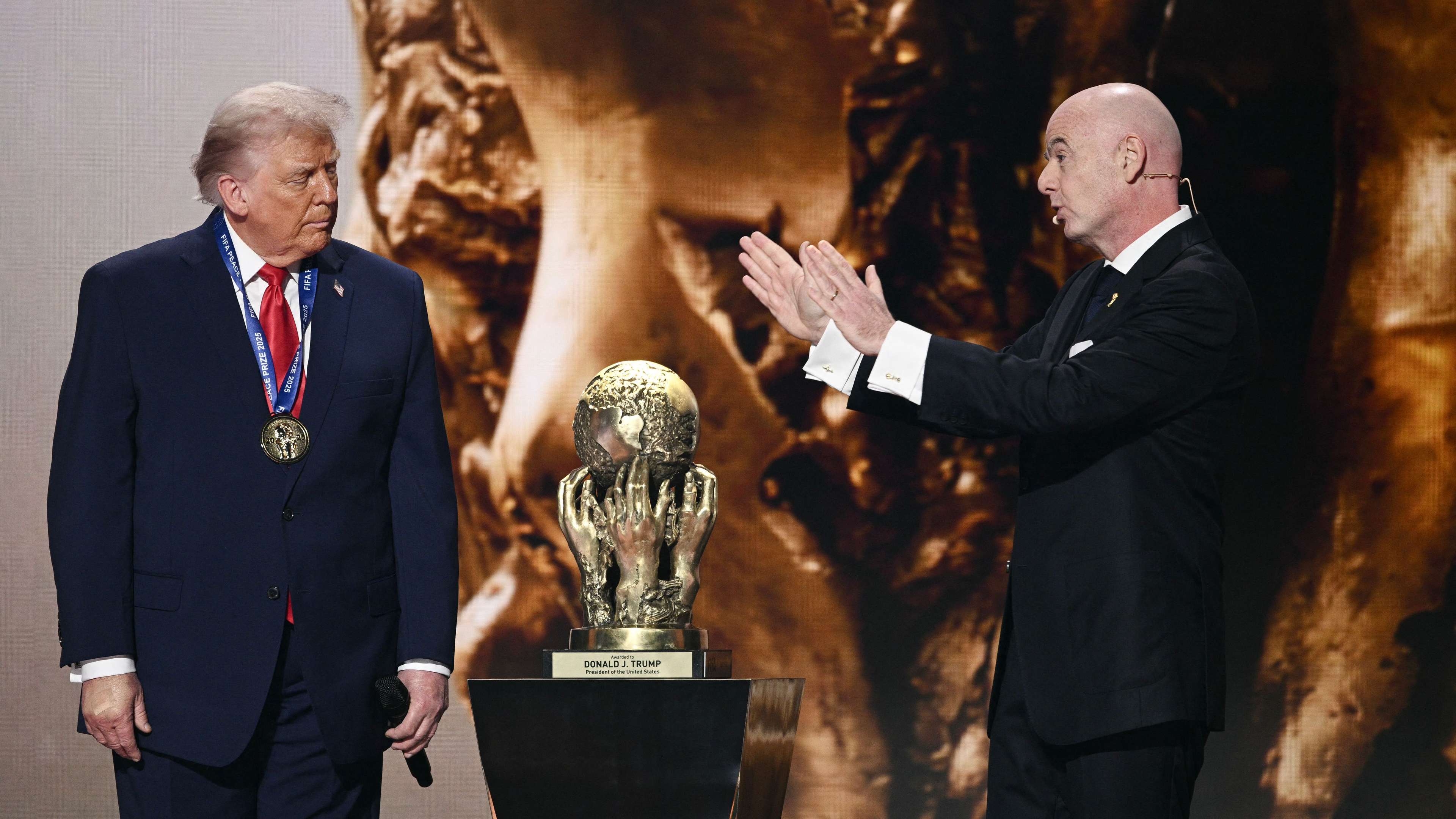
According to sources from Britain’s “Telegraph,” Trump is rallying support to ensure Infantino remains in power. His administration is reportedly forming alliances to back the embattled FIFA chief, emphasizing his role in securing the United States’ successful hosting of the World Cup.
Trump’s Support and Alliance Building
Reports suggest that Infantino is seeking assistance from key officials within the Trump administration, including US Secretary of State Marco Rubio, to bolster his position within FIFA. Despite denials from both FIFA and the US State Department, a senior US official close to Trump affirmed the President’s admiration for Infantino.
The relationship between Trump and Infantino dates back to their initial meeting in 2018, with the FIFA president even jesting by handing Trump yellow and red cards. Their bond has only strengthened over time, culminating in mutual gestures of appreciation.
Pressure Mounts on FIFA President
Amidst the crisis, the English Football Association is spearheading efforts to form a global coalition against Infantino. Working closely with UEFA, they aim to challenge the FIFA president’s leadership and governance, particularly in light of the failed privatisation plan.
Key African and Asian federations hold significant voting power within FIFA, making their stance crucial in any potential move to withdraw confidence from Infantino. While some nations have expressed support for him, a growing number are questioning his ability to lead the international federation.
UEFA Leads Rebellion
Following an emergency meeting, UEFA and its member federations voiced strong opposition to Infantino’s privatization scheme, threatening a boycott of world tournaments if the plan proceeded. The unprecedented backlash forced Infantino to retract the project, reflecting the growing discontent within the football community.
In a significant move, the Football Association of Wales officially withdrew its support for Infantino’s candidacy for a new term, citing failures in governance and leadership. This decision underscores the need for transparency and accountability within FIFA’s leadership structure.
Future Uncertainty for FIFA President
As the battle for the FIFA presidency intensifies, Infantino faces a challenging road ahead. With key stakeholders expressing doubt in his leadership, the future of football’s most powerful position hangs in the balance.
Only time will tell whether Infantino can regain the confidence of the football world or if his tenure as FIFA president will come to an end.
The Impact of Trump’s Support on FIFA Politics
Donald Trump’s involvement in supporting Gianni Infantino adds a new dimension to the ongoing power struggle within FIFA. The intersection of politics and football raises questions about the influence of external forces on the governance of the world’s most popular sport. Trump’s backing of Infantino highlights the complex web of alliances that can shape the leadership landscape of international sports organizations.
Infantino’s reliance on Trump’s support underscores the interconnected nature of global politics and football administration. The US president’s involvement in FIFA affairs signals a departure from traditional norms and introduces a level of political intrigue to the already contentious world of football governance.
The Role of Key Federations in FIFA Politics
As pressure mounts on Gianni Infantino, the stance of key African and Asian federations becomes pivotal in determining the FIFA president’s future. These regions hold significant voting power within the organization, making their support or opposition crucial in any potential leadership changes.
The solidarity shown by UEFA and its member federations against Infantino’s privatization plan highlights the potential for a coordinated effort to challenge FIFA’s current leadership. The unity displayed by European football associations underscores the importance of collective action in shaping the direction of the international football landscape.
Transparency and Accountability in Football Governance
The withdrawal of support from the Football Association of Wales for Infantino’s candidacy emphasizes the growing demand for transparency and accountability within FIFA’s leadership structure. The call for greater oversight and ethical standards reflects a broader push for reform within the organization.
Infantino’s handling of the failed privatization plan has raised concerns about his leadership capabilities and decision-making processes. The push for governance reforms signals a shift towards a more responsible and accountable approach to football administration, emphasizing the need for integrity and ethical practices at all levels of the sport.
The Future of FIFA’s Leadership
As the battle for the FIFA presidency continues, the outcome remains uncertain. The growing dissent and opposition to Gianni Infantino’s leadership raise questions about the organization’s future direction and the need for comprehensive reforms.
Infantino’s ability to navigate the challenges ahead and regain the trust of key stakeholders will be crucial in determining his fate as FIFA president. The evolving dynamics within the football world underscore the importance of strong leadership, transparency, and accountability in governing the beautiful game on a global scale.
By delving into the complexities of FIFA politics, the impact of external influences, and the push for governance reforms, the expanded content offers a deeper understanding of the current crisis facing the organization and the challenges ahead for its leadership.