
Vinicius Jr Calls for Greater Protection of La Liga’s Creative Players
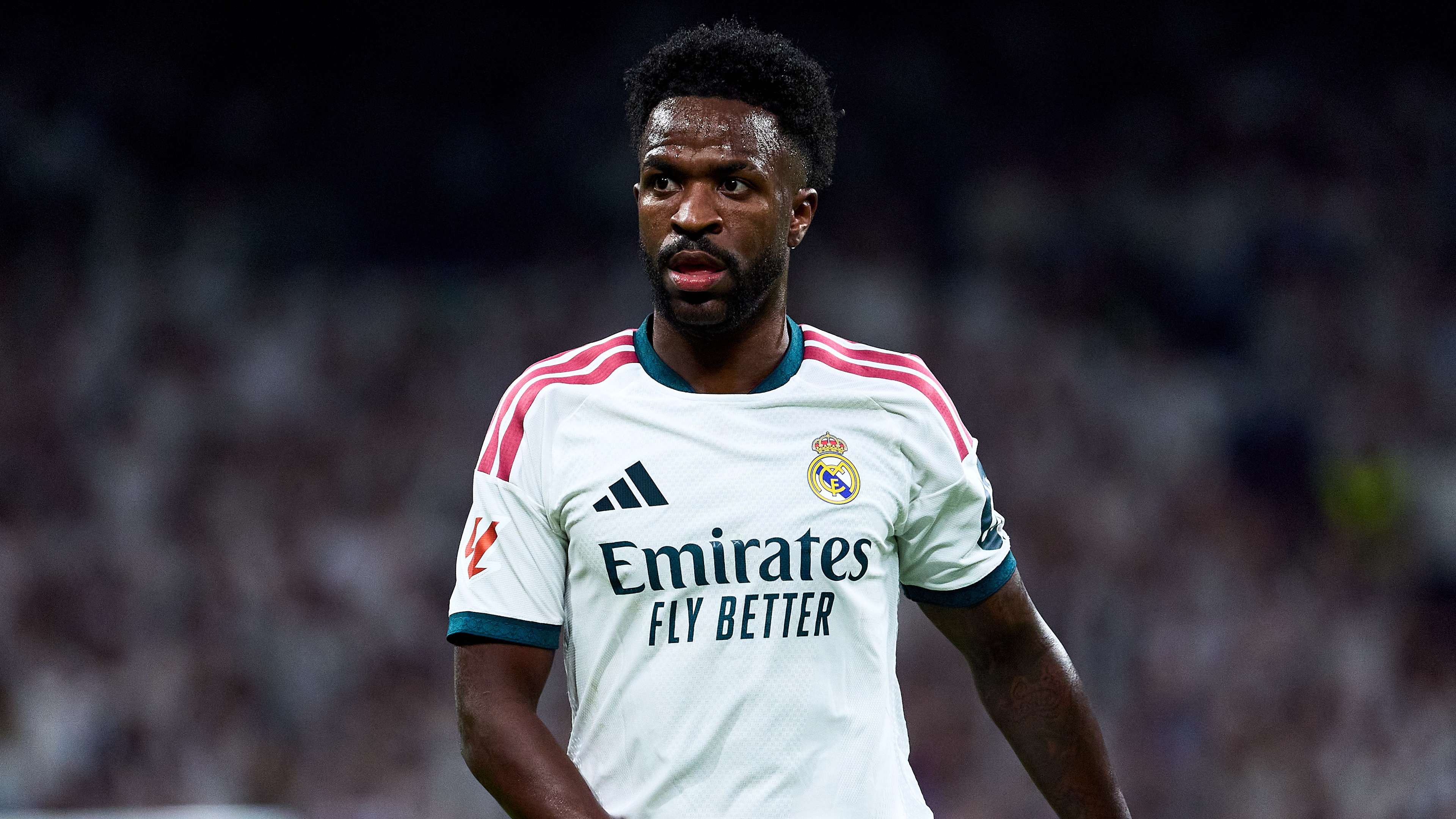
Vinicius Jr has urged Spanish football authorities to do more to protect the game’s most inventive players after receiving a significant suspension. The Real Madrid forward said he was bewildered by the disciplinary process that followed the club’s dramatic European win in Italy, renewing debate about how officials handle incidents involving high-profile players.
The Brazilian’s appeal goes beyond his own case. It raises a broader question for La Liga: how can the competition preserve intense, physical football while ensuring that skillful attackers are not routinely targeted or left vulnerable? For players whose game depends on acceleration, close control and one-on-one duels, the answer can shape both individual careers and the spectacle supporters tune in to watch.
A disciplinary decision under scrutiny
Vinicius’s suspension has placed the spotlight on the standards used to assess conduct and impose sanctions. Disciplinary decisions often involve several stages, including the referee’s match report, video evidence and review by the relevant football authorities. The process is intended to provide consistency, but disagreements can arise when clubs, players and supporters interpret an incident differently.
That uncertainty is especially visible after dramatic European matches, where emotions run high and attention quickly shifts from the result to individual moments. Vinicius questioned how the case was handled after Real Madrid’s victory in Italy, suggesting that the outcome left him struggling to understand the reasoning behind the punishment. His comments reflect a familiar frustration in professional football: players want clear rules, while fans expect similar incidents to receive similar treatment.
Without the full details of every disciplinary finding, it is important not to assume that a sanction is automatically unfair. Even so, public criticism can prompt useful discussion about transparency. Clear explanations of decisions, consistent use of available evidence and timely communication can help players understand what is expected of them—and help supporters see how the rules are applied.
Why creative attackers need protection
Vinicius is among the most dangerous wide attackers in the modern game. His pace and dribbling make him capable of turning a seemingly harmless possession into a major scoring opportunity. Those qualities also mean he frequently attracts close marking, physical challenges and tactical fouls. Opponents may try to disrupt his rhythm before he can build speed or isolate a defender.
Physical contact is part of football, and defenders must be allowed to compete. But there is a difference between legitimate defending and repeated or reckless challenges that prevent a player from expressing his ability. When creative footballers are repeatedly stopped by fouls, the impact extends beyond one match: attacking moves lose momentum, games become less fluid and supporters see less of the skill that makes the sport exciting.
Protection does not mean giving star players special treatment. It means applying the same standards consistently, regardless of a player’s reputation, club or nationality. Referees and disciplinary bodies must distinguish between fair contact, tactical obstruction and dangerous play, while ensuring that the rules are enforced throughout the match—not only after an incident attracts widespread attention.
The wider impact on La Liga
La Liga’s appeal rests partly on its technical quality and expressive attacking football. Players who can beat an opponent, create space and produce unexpected moments are central to that identity. If those players feel that they are not adequately protected, the consequences could affect the league’s style as well as its image.
There is also a practical competitive issue. A suspension can remove an important player from upcoming fixtures, changing a club’s tactical options and influencing the balance of a title race or European qualification contest. Any prediction about the effect of Vinicius’s absence would depend on the length of the ban, the schedule and Real Madrid’s available alternatives. Still, losing a forward who can create chances from individual skill is likely to require adjustments in attack.
Real Madrid may respond by redistributing creative responsibility among its forwards and midfielders, asking teammates to provide more width or encouraging quicker combinations through central areas. Opponents, meanwhile, may see an opportunity to press more aggressively or defend higher. These tactical changes can make the suspension relevant well beyond the disciplinary debate, although their actual impact will become clearer only when the team returns to action.
Consistency, communication and the role of officials
Vinicius’s appeal highlights the importance of trust between players and football authorities. Referees make decisions in fast-moving conditions, often with limited time and difficult viewing angles. Video review can offer additional information, but it cannot eliminate every disagreement. What matters is that the process is understandable, the relevant rules are applied fairly and serious decisions are explained clearly.
Better communication could reduce confusion around suspensions and other sanctions. When governing bodies outline the reasoning behind a decision in accessible language, players and clubs have a clearer basis for responding. It can also help supporters distinguish between a punishment based on established rules and one that appears inconsistent with previous cases.
There is no simple solution to protecting attackers while preserving the physical contest that makes football compelling. Officials must judge each challenge in context, taking account of its force, timing and effect. Consistent enforcement of existing rules may be more important than introducing new regulations, particularly when repeated fouls are used to break up dangerous attacks.
What happens next?
Vinicius’s comments are likely to keep the debate alive as Real Madrid continue their campaign. The immediate focus will be on the suspension and its consequences, but the larger issue concerns how La Liga manages the balance between robust defending and creative play. His case may become a reference point in future discussions about disciplinary standards, referee support and player welfare.
For supporters, the central concern is straightforward: football is at its best when talented players can compete without being routinely denied the chance to show what they can do. Vinicius has made clear that he believes more protection is needed. Whether La Liga responds with stronger enforcement, clearer explanations or a wider review of current practice remains to be seen.
Any prediction about the long-term effect of this controversy is uncertain. But the discussion itself matters. If it leads to greater consistency and confidence in disciplinary decisions, the benefits could extend beyond one player or one club. Protecting creative talent is not about shielding stars from competition; it is about ensuring that skill, speed and imagination remain central to the football fans come to watch.