
Rosario Central Secures Historic Victory in the Supercopa Internacional
In a riveting showdown that captured the passion, intensity, and unpredictability of Argentine football, Rosario Central emerged victorious in the prestigious Supercopa Internacional. The final, held at the iconic Madre de Ciudades stadium, saw Rosario Central clinch their fourteenth major trophy by defeating Estudiantes de La Plata with a decisive 3-1 scoreline. This triumph not only adds to the club’s rich history but also ignites fresh debates about refereeing decisions and the volatile nature of modern football competitions.
The Road to the Final: A Clash of Argentine Giants
Rosario Central’s journey to the final was marked by determination and resilience. As one of Argentina’s most storied clubs, they entered the competition with high expectations, eager to add another chapter to their illustrious legacy. Their opponent, Estudiantes de La Plata, was no less formidable, coming into the match as the reigning champions of the Copa de Campeones and the current league leaders for 2025. This matchup was more than just a final; it was a battle for supremacy between two of Argentina’s most passionate football institutions.
Key Moments and Player Performances
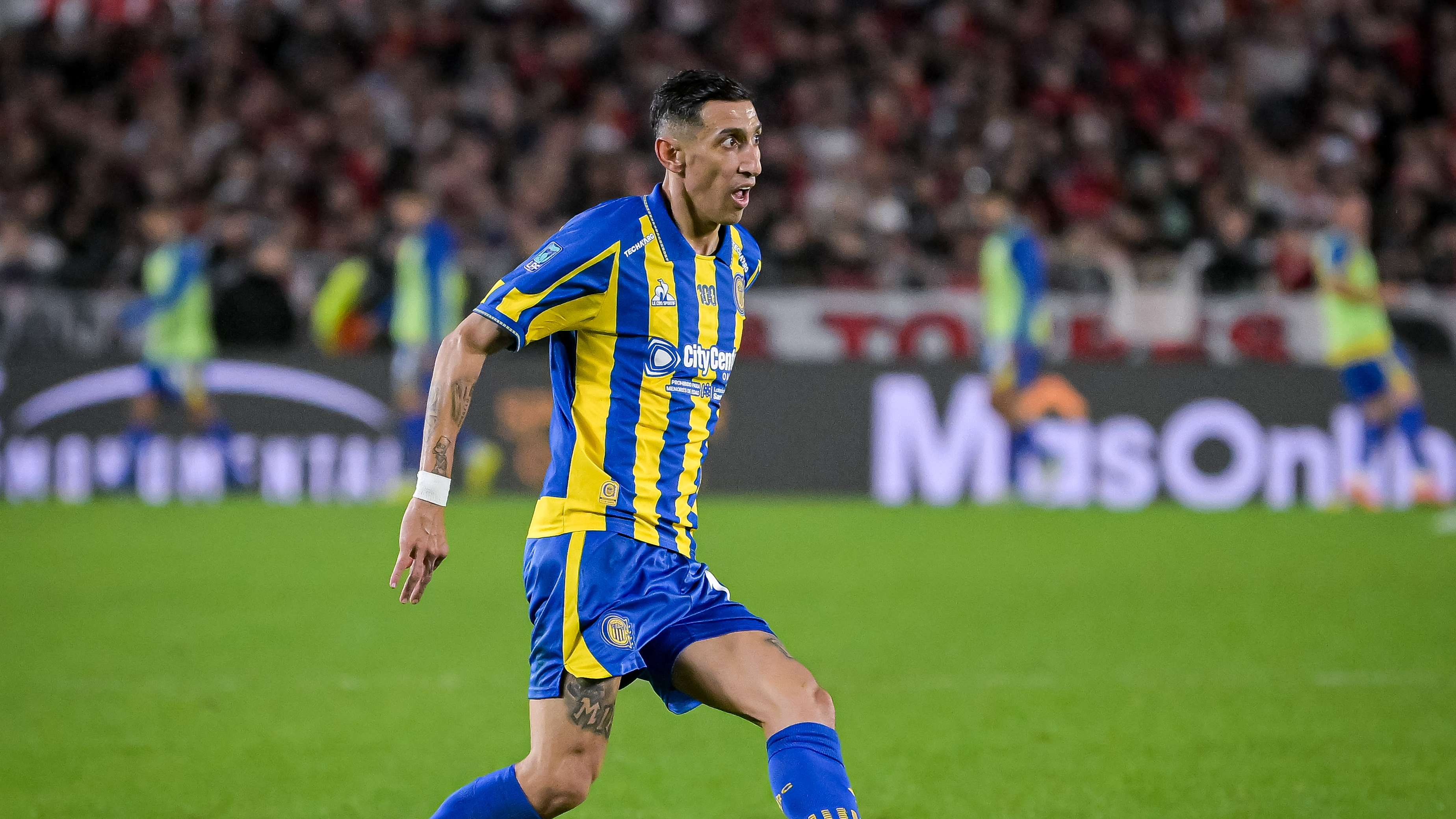
The match was characterized by moments of brilliance and controversy. Ángel Di María, a seasoned Argentine international, proved to be the hero for Rosario Central, delivering a standout performance with two crucial goals that ultimately sealed the victory. His ability to find space and execute under pressure demonstrated why he remains one of Argentina’s most influential players on the pitch.
Meanwhile, the opening goal for Rosario Central set the tone early, energizing their supporters and putting Estudiantes on the back foot. Despite Estudiantes’ efforts to mount a comeback, Rosario Central’s tactical discipline and offensive prowess kept them ahead throughout the game.
Controversy and Chaos: Refereeing and Fan Reactions
The match, however, was overshadowed by a series of controversial refereeing decisions that sparked widespread debate among fans and analysts alike. Many questioned the impartiality and consistency of referee Darío Herrera’s calls, which appeared to favor Rosario Central at critical junctures. The contentious decisions led to heightened tensions on the field, culminating in violent clashes between players as emotions ran high.
According to reports from Marca and other local outlets, the chaos intensified when the referee was unable to blow the final whistle properly, leaving the outcome hanging in the balance and fueling further unrest among players and spectators. The incident highlighted ongoing concerns about officiating standards in Argentine football and the need for reforms to ensure fair play and safety for all involved.
The Aftermath: A Fractured Celebration
Following Rosario Central’s victory, the celebrations were marred by scenes of violence and disorder. Estudiantes’ president, Juan Sebastián Verón—an Argentine football legend himself—publicly condemned the refereeing and the resulting upheaval. Verón’s outspoken critique underscored the deep frustrations within the Estudiantes camp, reflecting broader issues of governance and integrity in Argentine football.
In the wake of the chaos, both clubs and football authorities face calls for urgent investigations into the incidents, with many supporters and analysts advocating for stricter officiating protocols and enhanced security measures during high-stakes matches.
Implications for Argentine Football and Future Predictions
This controversial final has significant implications for the future of Argentine football. The intense media coverage and social media debates surrounding the refereeing decisions and fan violence highlight the ongoing challenges the sport faces in balancing competitive integrity with passionate fan engagement.
Looking ahead, the prediction for upcoming fixtures and tournaments hinges on addressing these issues. Experts suggest that implementing advanced video assistant referee (VAR) technology, improving referee training, and fostering a culture of sportsmanship are vital steps toward restoring confidence in the game.
The Significance of the Supercopa Internacional Win
Rosario Central’s triumph in the Supercopa Internacional is more than just a trophy; it symbolizes resilience and the capacity to overcome adversity amid controversy. The victory reinforces their status as a top contender in Argentine football and provides a psychological boost ahead of the upcoming league season.
For football enthusiasts and analysts, this match serves as a reminder of the unpredictable beauty of the sport—a game where skill, passion, and sometimes controversy collide to produce unforgettable moments. As the team celebrates their 14th major title, the broader conversation about fair play, refereeing standards, and fan safety continues to resonate across the football community.
Conclusion: A Battle for the Heart of Argentine Football
The final at Madre de Ciudades will be remembered not only for Rosario Central’s victorious celebration but also for the intense debates it sparked about the direction of Argentine football. As fans eagerly await the next season, the hope remains that the sport’s governing bodies will take decisive steps to ensure that passion does not overshadow fairness and safety. Ultimately, this match underscores that football, at its core, is a fierce and emotional game—one that requires constant vigilance, integrity, and respect for the beautiful sport.