
Al Ahli vs Al Wasl: AFC Champions League Elite clash overshadowed by controversy
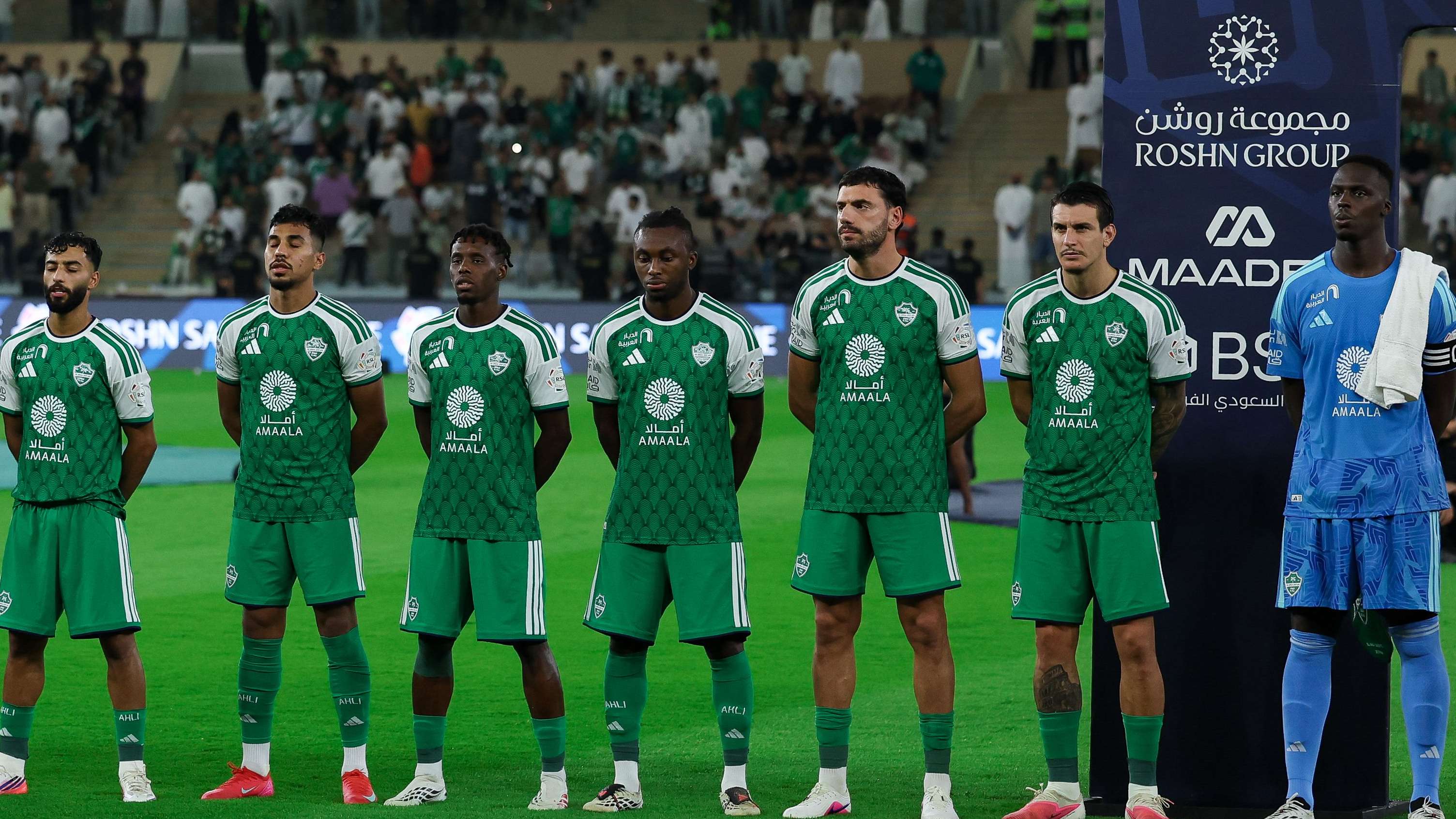
Al Ahli’s meeting with Al Wasl in the second round of the AFC Champions League Elite became a talking point for reasons far beyond the football. What should have been a high-profile contest between Saudi Arabian and Emirati clubs was disrupted by a series of tense incidents: jeering during the Saudi national anthem, a physical confrontation involving Al Ahli winger Saleh Abu Al-Shamat, and objects thrown as the injured player left the field.
The episodes prompted questions about player safety, crowd conduct and the referee’s response. They also shifted attention away from the match itself, leaving supporters and commentators to consider how a major Asian football fixture could become so consumed by off-field controversy.
Tension begins before kick-off
The atmosphere became strained before the opening whistle. Al Wasl supporters were reported to have jeered during the Saudi national anthem, drawing an angry reaction from some Al Ahli players. The incident set a hostile tone for the evening and added an emotional edge to an already significant continental fixture.
National anthems are an important part of international and regional sporting events, representing the identity of the teams and their supporters. Disrespectful conduct during such moments can quickly become a flashpoint, particularly when rivals meet in a competition watched across several countries. In this case, the reaction appeared to carry onto the pitch as the match grew increasingly heated.
Once play was under way, the players’ exchanges became more intense. Competitive football naturally brings physical challenges and strong emotions, but the situation escalated when Abu Al-Shamat became involved in a confrontation with Al Wasl defender Adrielson Silva.
Abu Al-Shamat confrontation raises disciplinary questions
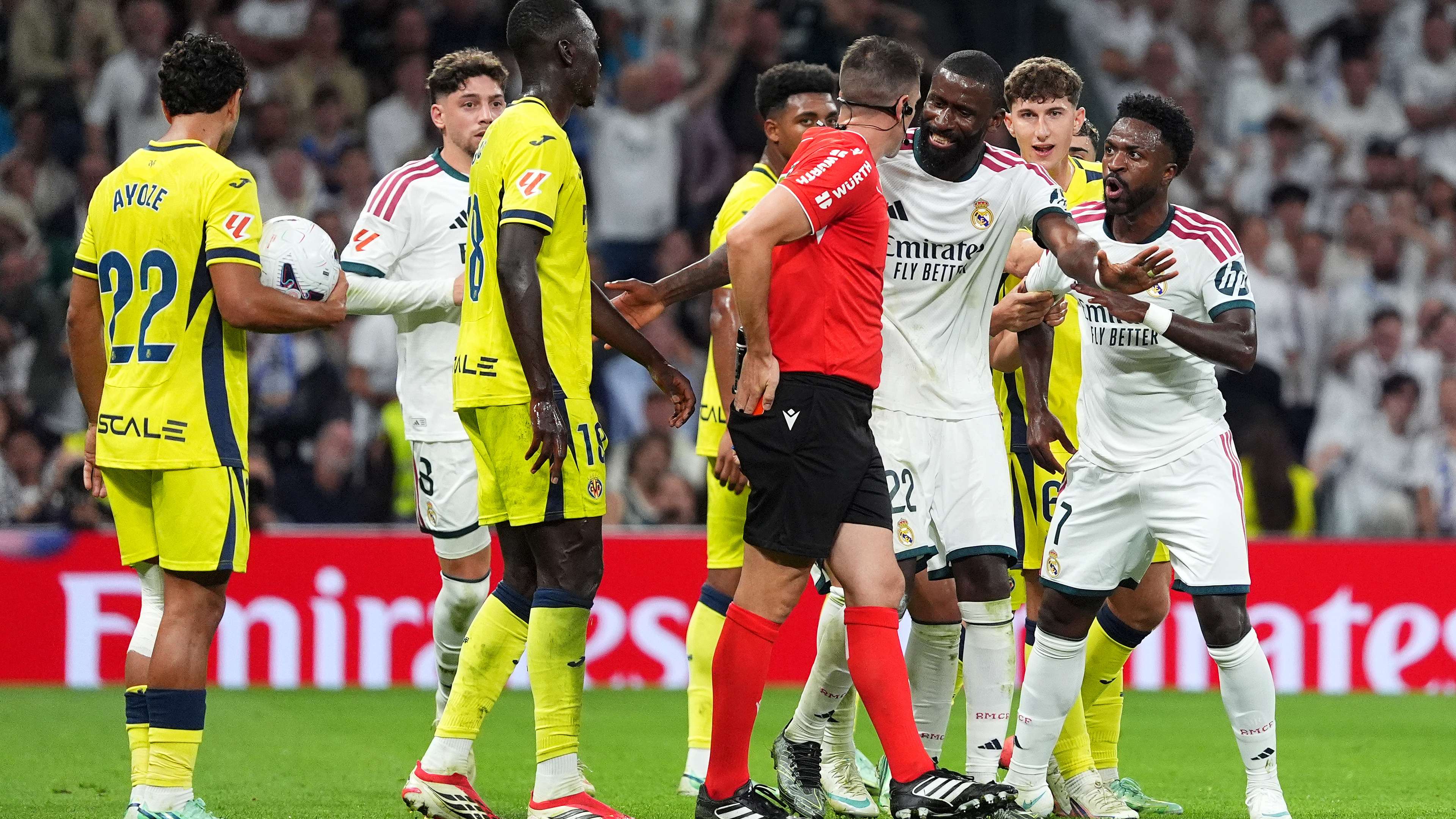
Footage and reports of the incident describe an exchange of gestures and words between the two players before Silva struck Abu Al-Shamat on the head. The Al Ahli winger went to ground, prompting protests and anger from his teammates. The episode quickly became one of the most discussed moments of the match.
The referee’s handling of the confrontation drew particular scrutiny. No red card was shown to either player in connection with the incident, according to the available account. That decision has led to questions about whether the officials judged the contact and surrounding actions appropriately, and whether further disciplinary review may be warranted.
Refereeing decisions in high-pressure matches are often assessed from multiple angles, including the sequence leading up to an incident, the force of contact and the officials’ view at the time. Video review can provide additional context, but any formal outcome depends on the competition’s procedures and the evidence examined by its disciplinary authorities. Until those processes are complete, it is important to distinguish between reported events and any conclusions that have not been officially announced.
Injury and an angry departure from the pitch
The confrontation was not the last troubling moment involving Abu Al-Shamat. With roughly half an hour remaining, the Al Ahli player was unable to continue and was taken from the field on a stretcher cart. His departure, already concerning because of the injury, became another source of tension when he made gestures toward supporters in the stands.
The gestures were interpreted by some observers as mocking the Al Wasl crowd or challenging fans to approach him. That interpretation added to the anger in the stadium, although the full context and intent behind the actions may be difficult to establish from short video clips alone. In an emotionally charged environment, even an ambiguous gesture can intensify an already volatile situation.
As Abu Al-Shamat was being taken away, water bottles were reportedly thrown in his direction. Accounts of the incident say the objects appeared to come from the stands or from an area near Al Wasl’s substitutes’ bench. The footage circulating online has renewed concerns about the safety of injured players as they leave the field, especially when they are unable to move without assistance.
Three flashpoints overshadow the football
The match was ultimately defined in public discussion by a sequence of three flashpoints: the jeering during the anthem, the physical altercation involving Abu Al-Shamat and the objects thrown during his departure. Together, the incidents transformed a continental football contest into a wider debate about sportsmanship, crowd control and match officials’ responsibilities.
Supporters expect intense rivalry in the AFC Champions League Elite, where leading clubs compete for regional status as well as results. But intensity should not come at the expense of basic respect or safety. Players must be able to compete without physical confrontations crossing the line, while fans should be able to support their teams without putting athletes or staff at risk.
The response from competition organisers and club authorities could be important in establishing accountability and preventing similar scenes. A review may consider the conduct of players and spectators, the security arrangements around the pitch and the procedures used when an injured player is escorted from the playing area. Any action should be based on verified evidence and applied consistently.
What the controversy means for the next meeting
For Al Ahli and Al Wasl, the immediate challenge is to ensure that the aftermath does not become more significant than the sporting contest. Both clubs have an interest in keeping attention on their football, while the competition’s governing bodies face pressure to explain how the incidents are being assessed. Clear communication can help prevent speculation from filling the gap before an official review is completed.
From a football prediction perspective, the controversy may also shape the narrative around the teams’ next appearances. Questions about Abu Al-Shamat’s fitness, potential disciplinary decisions and the emotional impact of the match could all influence expectations. However, any forecast should remain cautious until there is reliable information about the player’s condition and any rulings from the relevant authorities.
Ultimately, the Al Ahli–Al Wasl encounter offered a reminder that a match is judged not only by its scoreline but also by how players, supporters and officials respond under pressure. The reported incidents deserve careful examination, particularly the safety concerns surrounding an injured player’s exit. Firm, fair action—if supported by the evidence—could help ensure that the next chapter of this Asian rivalry is remembered for the football rather than the disorder.