
Saudi Media Pundit Unveils Surprising Insight on Kuwait’s Football Performance and Its Effect on Prediction Strategies
In a revealing commentary that has stirred up the football community across the Gulf region, renowned Saudi media pundit Turki Al-Ajma shared an unexpected perspective on the psychological factors influencing football matches between Saudi Arabia and Kuwait. During his popular program “Al-Mansa” aired on the Thmanyah network, Al-Ajma made bold claims about how a simple detail—the color of the Kuwaiti national team’s jersey—could significantly impact the outcome of their encounters, especially in high-stakes tournaments like the Gulf Cup. His insights not only challenge conventional views but also open new avenues for understanding the dynamics of football prediction in regional rivalries.
Understanding the Significance of Colors in Football Psychology
The Power of Blue and Red in Gulf Football Tournaments
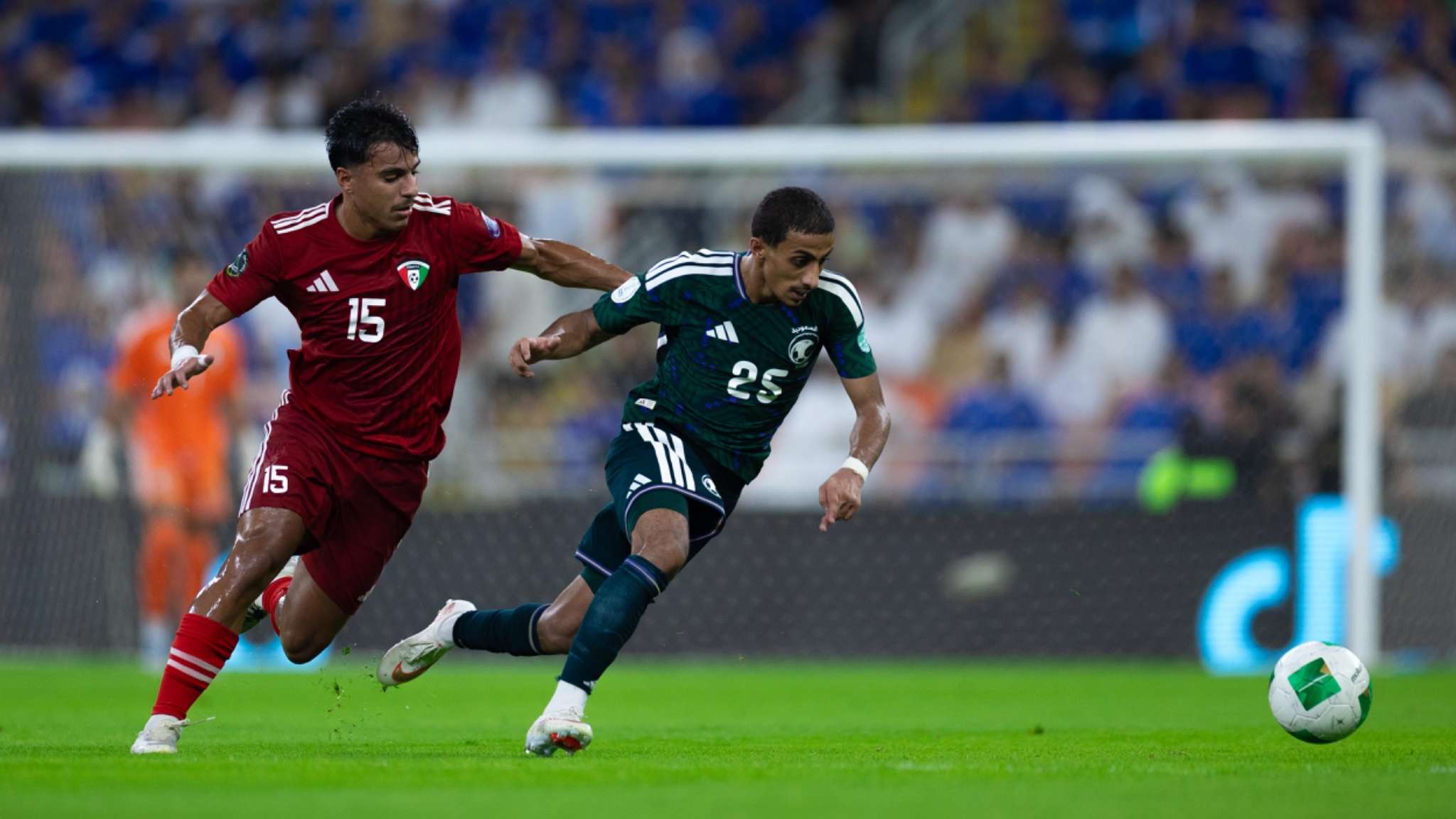
Colors have long played a subtle yet influential role in sports psychology, affecting both players’ mindset and spectators’ perceptions. Turki Al-Ajma pointed out that Kuwait’s traditional association with the color blue in their football kits has historically been a source of strength, energizing their players and intimidating opponents. Conversely, he expressed a sense of reassurance when he saw the Kuwaiti team donning red, a color he believes diminishes their psychological edge and, consequently, their strength on the pitch.
“When I saw Kuwait wearing red, I felt at ease,” Al-Ajma stated. “Blue gives them great strength and makes them a fierce competitor, especially in the Gulf Cup.” This statement underscores the deep-rooted symbolism behind colors and their potential influence on match outcomes. The color blue, often associated with calmness, stability, and confidence, appears to serve as a psychological booster for Kuwait, fueling their competitive spirit when it’s most needed.
The Historical Context of Kuwait’s Blue Jersey and Its Impact on Prediction
Why the Color Blue Has Traditionally Been a Source of Strength for Kuwait
The association between Kuwait and the color blue is embedded in the nation’s sports history. The Kuwaiti national football team has predominantly worn blue kits since its inception, a choice that fans and analysts alike believe imbues the team with a sense of pride and resilience. In particular, during the Gulf Cup—a regional tournament known for its intense rivalries and passionate fanbase—the team’s blue jerseys have often been seen as a symbol of national identity and competitive prowess.
However, Al-Ajma’s commentary suggests that when Kuwait switches to red, their confidence diminishes noticeably. This insight has profound implications for football prediction models, which often rely on historical data, team form, and tactical analysis. Now, the psychological impact of jersey colors emerges as an integral factor that could sway the odds in regional matches, especially when the stakes are high.
The Gulf Cup: The Stage Where Colors Make a Difference
Kuwait vs. Saudi Arabia — A Rivalry Reinforced by Psychological Factors
The Gulf Cup, held biennially, is more than just a regional football competition; it is a battleground where national pride and psychological resilience are on full display. Historically, Kuwait and Saudi Arabia have faced off numerous times, with their encounters often characterized by fierce intensity and tactical battles. Al-Ajma emphasized that these matches tend to be markedly different when the Gulf Cup is at stake.
“Kuwait’s matches against Saudi Arabia are usually different affairs, but in the Gulf Cup, they turn into a different beast entirely,” he explained. “The tournament brings out a unique intensity, and the psychological edge becomes a decisive factor.” This suggests that predictions for such matches must account not only for team form and tactical setups but also for the intangible influence of psychological factors like jersey colors.
Color as a Psychological Weapon in High-Stakes Football
In the context of football prediction, especially in regional tournaments like the Gulf Cup, understanding the psychological nuances can be crucial. Coaches and analysts increasingly recognize that elements such as team morale, confidence, and even jersey colors can sway the momentum of a match. For instance, Kuwait’s switch from blue to red jerseys could be seen as a strategic attempt to disrupt their own psychological edge and, in turn, influence the prediction models used by betting companies and sports analysts.
Controversial Verdict: The Impact of Jersey Color on Match Outcomes
Al-Ajma’s Bold Claim and Its Repercussions
Perhaps the most provocative statement from Turki Al-Ajma was his assertion that “wearing the color red made Kuwait lose 50% of their strength,” giving the Saudi team a notable advantage. This provocative perspective has ignited debates among fans, pundits, and prediction enthusiasts about the true power of visual psychology in football.
While skeptics may argue that such claims are hyperbolic or overly simplistic, the growing body of sports psychology research indicates that color perception can indeed influence players’ confidence and opponents’ intimidation levels. For betting companies and football prediction models, integrating psychological factors such as jersey color could enhance accuracy, especially in closely contested regional tournaments where mental edge often determines the outcome.
Beyond Colors: Broader Implications for Football Prediction and Analysis
The Role of Psychological Factors in Modern Football Forecasting
As the sport continues to evolve, so does the sophistication of prediction strategies. Traditionally, models depended heavily on statistical data—possession percentages, shots on target, and historical results. However, experts now emphasize the importance of psychological and emotional factors, such as team morale, leadership, and even the impact of crowd support.
Al-Ajma’s insights about jersey colors contribute to this broader understanding, suggesting that a comprehensive prediction approach should incorporate emotional cues and visual symbolism. For example, in high-stakes matches like the Gulf Cup, where regional pride runs deep, such factors may be decisive.
Implications for Fans, Coaches, and Analysts
For fans and bettors placing predictions on football matches involving Kuwait and Saudi Arabia, considering the psychological impact of jersey colors could improve forecasting accuracy. Coaches might also leverage this understanding by choosing kit colors strategically to influence player confidence or to unsettle opponents.
Furthermore, sports analysts and commentators are encouraged to pay closer attention to these subtle cues, integrating them into their tactical predictions and commentary, enriching the narrative of the game.
Conclusion: The Secret Behind “The Blues’” Strength in the Gulf Cup?
Turki Al-Ajma’s provocative remarks about the influence of jersey colors—particularly Kuwait’s historic association with blue and their perceived loss of strength when switching to red—have sparked a lively debate about the psychological dimensions of football prediction. While some may view these claims as exaggerated, they highlight an often-overlooked aspect of the beautiful game: the power of perception and symbolism in shaping performance.
As the Gulf region continues to produce passionate football rivalries and intense tournaments, understanding the subtle psychological factors—like color psychology—could be the key to unlocking more accurate predictions and strategic insights. Whether you’re a die-hard football fan, a sports analyst, or a bettor looking to refine your prediction models, paying attention to these details might just give you the edge in predicting the outcome of future regional clashes.